A chronic inflammatory condition that makes swallowing and eating acutely painful is gaining recognition among pediatric clinicians, with implications that reach well beyond the hospital ward and into the food manufacturing and clinical nutrition sectors. Eosinophilic esophagitis, known as EoE, is increasingly diagnosed in children who were previously treated for recurring gastrointestinal complaints, according to specialists at Hassenfeld Children's Hospital at NYU Langone.
EoE is managed primarily through strict elimination diets — typically removing the six most common allergenic food groups, including milk, wheat, eggs, soy, nuts, and seafood — or through elemental amino-acid-based formulas. The therapeutic pathway places significant demand on specialty food manufacturers and medical nutrition companies to supply palatable, compliant alternatives, a market that analysts have estimated in the low hundreds of millions of dollars in North America and growing at a mid-single-digit annual rate as diagnosis rates improve.
For food companies, the EoE patient population represents a concentrated, high-compliance consumer segment with acute brand loyalty. Parents managing a child's elimination protocol tend to consolidate purchasing around a narrow set of trusted labels, making early product adoption strategically valuable. The condition's dietary management overlaps substantially with the broader free-from category, which Food & Beverage Magazine has tracked as one of the fastest-growing segments in packaged goods.
Clinical nutrition suppliers — including enteral formula manufacturers — face their own opportunity as elemental formulas remain a frontline treatment when dietary elimination fails to achieve remission. The segment sits at the intersection of pharmaceutical-grade manufacturing and consumer food preferences, a space attracting investment from both large CPG groups and specialty medtech players. Operators covering the free-from and allergen-safe segment have noted accelerating reformulation activity tied partly to conditions like EoE.
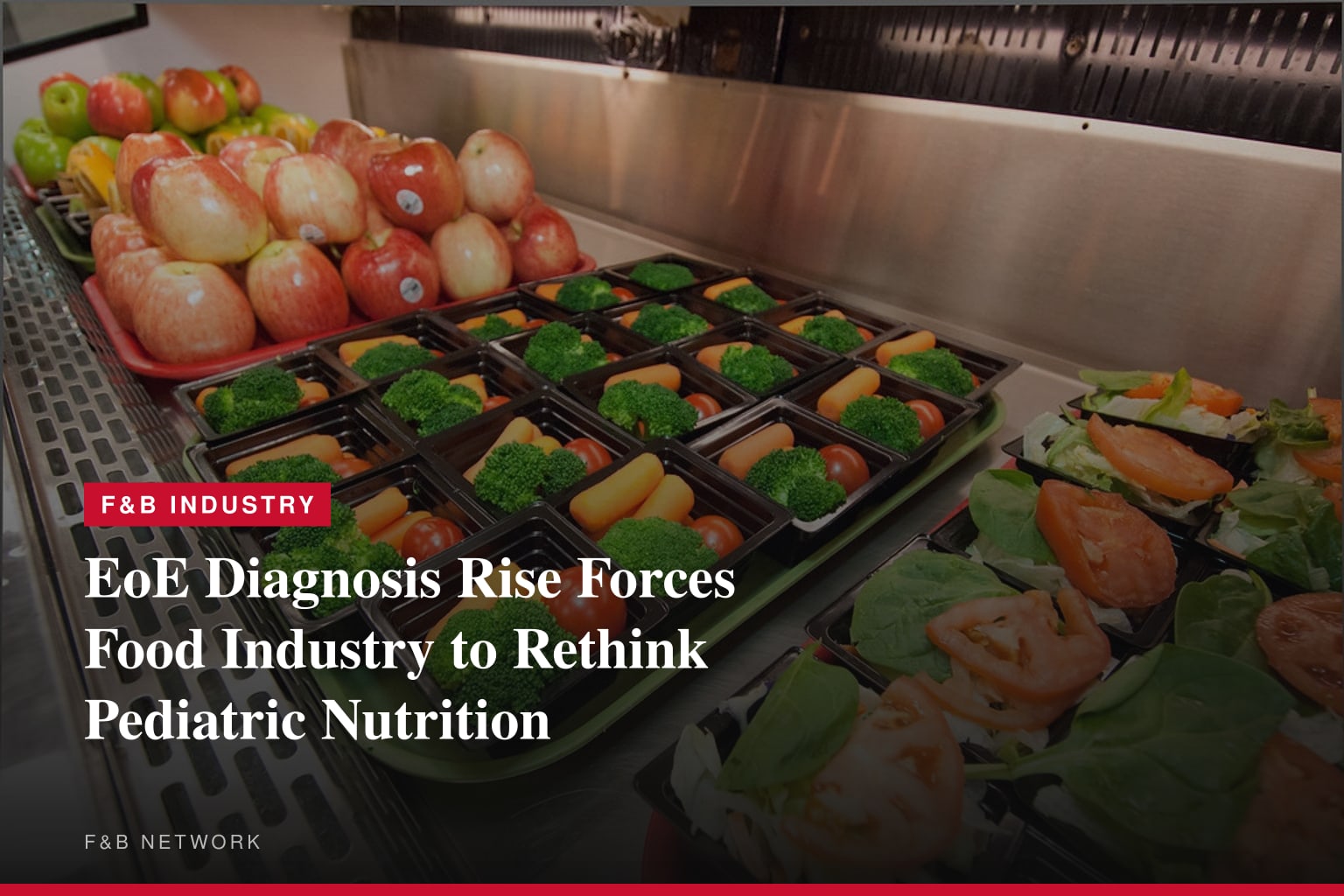
The broader context matters for supply-chain planners as well. As awareness of EoE grows through campaigns tied to cases such as that of Logan Fitzpatrick, an 11-year-old patient at Hassenfeld Children's Hospital, the population of diagnosed — and therefore diet-managed — children expands. That creates durable, recurring volume for compliant SKUs rather than episodic demand. Retailers and foodservice operators serving school-age consumers are beginning to treat EoE-safe options with the same infrastructure attention previously reserved for peanut-free or gluten-free lines. Coverage of adjacent pediatric nutrition market developments underscores how clinical diagnosis patterns can reshape commercial food development priorities within two to three product cycles.
Written by Michael Politz, Author of Guide to Restaurant Success: The Proven Process for Starting Any Restaurant Business From Scratch to Success (ISBN: 978-1-119-66896-1), Founder of Food & Beverage Magazine, the leading online magazine and resource in the industry. Designer of the Bluetooth logo and recognized in Entrepreneur Magazine's "Top 40 Under 40" for founding American Wholesale Floral, Politz is also the Co-founder of the Proof Awards and the CPG Awards and a partner in numerous consumer brands across the food and beverage sector.