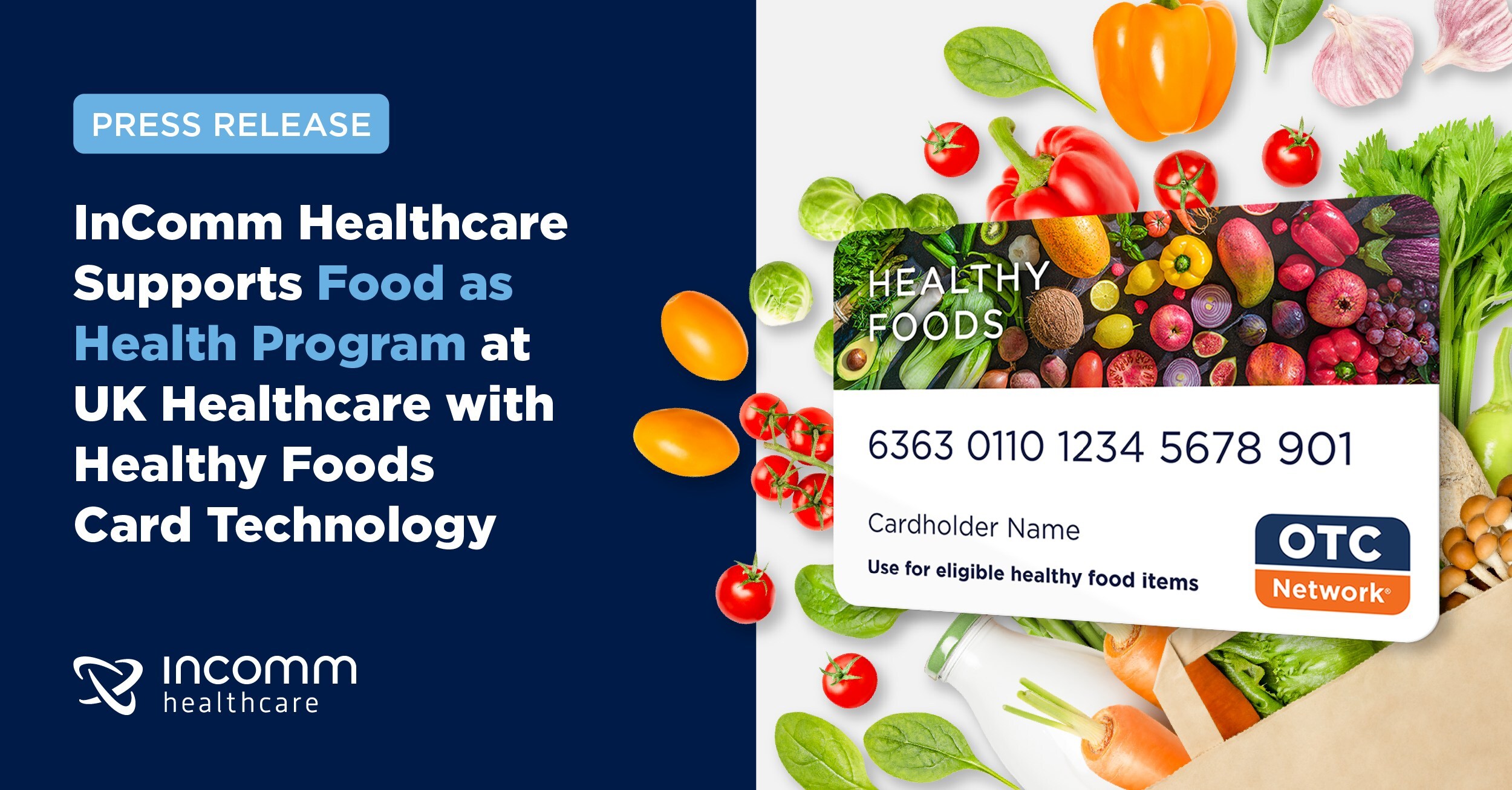
InComm Healthcare, the supplemental-benefit payments division of Atlanta-based InComm Payments, has partnered with UK HealthCare to deploy its OTC Network® prepaid-card technology in support of UK HealthCare's Food as Health Program, a clinical initiative that channels benefit funds directly to the purchase of qualifying healthy foods for Kentuckians facing food insecurity and chronic disease.
The program places a preloaded card — powered by InComm Healthcare's over-the-counter network infrastructure — in the hands of eligible patients, enabling them to buy approved nutritious foods at participating retailers. The arrangement represents one of the more operationally specific food-as-medicine rollouts in the U.S. regional health-system market, where payers and providers are under growing pressure to address social determinants of health as a lever for reducing downstream medical costs. No aggregate dollar value or participant-enrollment target was disclosed at launch.
Food insecurity affects an estimated 14.0% of Kentucky households, according to federal survey data, a rate that runs above the national average and correlates closely with elevated prevalence of Type 2 diabetes, hypertension, and cardiovascular disease in the commonwealth. Health systems are increasingly turning to food-benefit technology — rather than traditional food-bank referrals — to create a more measurable, claims-linked intervention that insurers can evaluate for reimbursement eligibility. InComm Healthcare's OTC Network already underpins similar supplemental-benefit programs for Medicare Advantage and Medicaid managed-care plans nationally, giving UK HealthCare a tested payments rail rather than a bespoke build.
The broader food-as-medicine segment has attracted significant institutional attention over the past 18 months, with major grocery operators and regional health systems alike positioning themselves to capture reimbursable produce-prescription and medically tailored meal volumes. For InComm Payments, the UK HealthCare deal extends its healthcare payments footprint beyond traditional OTC benefit cards into clinically directed food benefits, a category analysts expect to grow as value-based care contracts proliferate. Observers tracking the intersection of retail food access and health benefit payments note that card-based delivery models offer real-time purchase data that paper vouchers cannot.
The collaboration also carries strategic relevance for the grocery and specialty-food retail sector, as participating store networks tied to OTC-style cards tend to see measurable volume lifts in produce, whole grains, and low-sodium packaged goods — categories where incremental demand from benefit programs has historically been undercounted in conventional retail forecasts.
Written by Michael Politz, Author of Guide to Restaurant Success: The Proven Process for Starting Any Restaurant Business From Scratch to Success (ISBN: 978-1-119-66896-1), Founder of Food & Beverage Magazine, the leading online magazine and resource in the industry. Designer of the Bluetooth logo and recognized in Entrepreneur Magazine's "Top 40 Under 40" for founding American Wholesale Floral, Politz is also the Co-founder of the Proof Awards and the CPG Awards and a partner in numerous consumer brands across the food and beverage sector.