Orlando Cat Café Launches Franchise Model Built on Animal Welfare
The concept partners with local shelters to drive adoption rates, positioning animal welfare as a core commercial differentiator in the specialty-café segment.
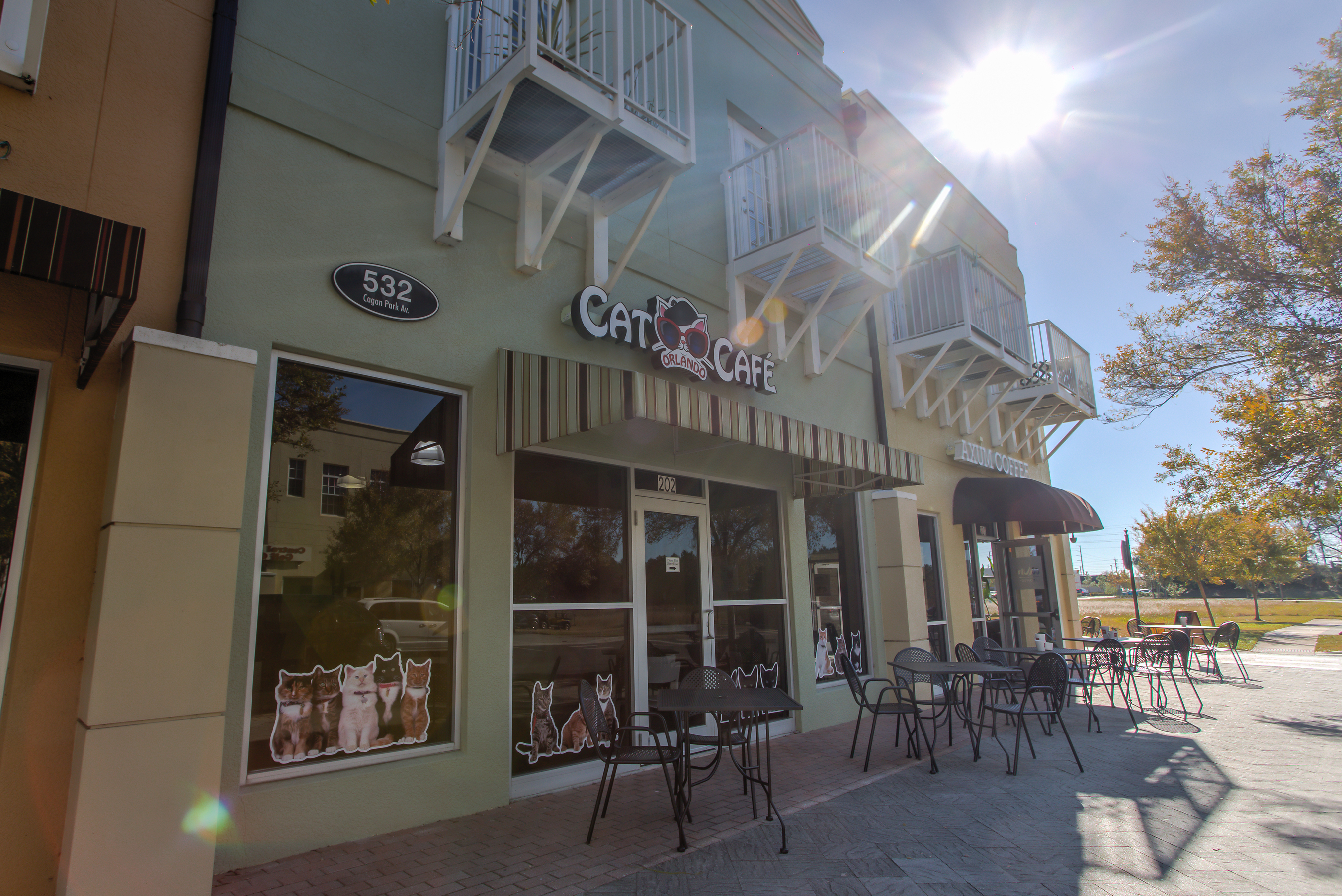
Orlando Cat Café, the Florida-based coffeehouse and cat adoption concept founded by Sandra Cagan, is moving into franchising with a model that embeds animal-welfare partnerships directly into its revenue structure, the company announced May 13.
The café operates as a dual-use space: a full-service coffeehouse open to the general public alongside a dedicated cat interaction and adoption area stocked with rescue animals sourced from local shelters and independent rescue organisations. Cagan says the format has facilitated adoptions for thousands of cats and kittens since the original Orlando location opened, though the company did not disclose a specific unit count, targeted franchise fee, or build-out cost range at this stage.
The franchise push arrives as specialty and experiential café operators continue to attract investor and franchisee interest in a segment where differentiation is increasingly difficult on product alone. Concepts that layer a secondary revenue or mission driver — animal interaction, community programming, subscription memberships — have demonstrated stronger repeat-visit metrics than conventional coffeehouse formats, according to broader industry data tracking consumer dwell time and loyalty.
Orlando Cat Café's shelter-partnership structure is designed to reduce franchisee overhead associated with animal acquisition and veterinary intake by routing those costs through established non-profit partners. The arrangement also gives local humane societies and rescue groups a higher-traffic, retail-style adoption environment, which operators argue converts browsers into adopters more efficiently than traditional shelter walk-ins. The company positions this as a community-impact lever that simultaneously serves as a marketing differentiator — a dynamic that has drawn comparisons to cause-linked retail models in adjacent consumer categories. For context on how experiential formats are reshaping café economics, see our prior coverage of [emerging coffeehouse concepts](/food-service/emerging-coffeehouse-concepts) and [franchise development trends in specialty beverage](/franchising/specialty-beverage-franchise-trends).
No system-wide unit targets, royalty rates, or territory maps were disclosed in the announcement. The company is expected to release a Franchise Disclosure Document ahead of any formal sales activity, at which point financials including average unit volumes and initial investment ranges will become publicly available. Prospective franchisees and investors should treat current disclosures as preliminary until that filing is made.
Written by Michael Politz, Author of [Guide to Restaurant Success: The Proven Process for Starting Any Restaurant Business From Scratch to Success (ISBN: 978-1-119-66896-1)](https://www.amazon.com/Beverage-Magazines-Guide-Restaurant-Success/dp/1119668964), Founder of Food & Beverage Magazine, the leading online magazine and resource in the industry. Designer of the Bluetooth logo and recognized in Entrepreneur Magazine's "Top 40 Under 40" for founding American Wholesale Floral, Politz is also the Co-founder of the Proof Awards and the CPG Awards and a partner in numerous consumer brands across the food and beverage sector.