
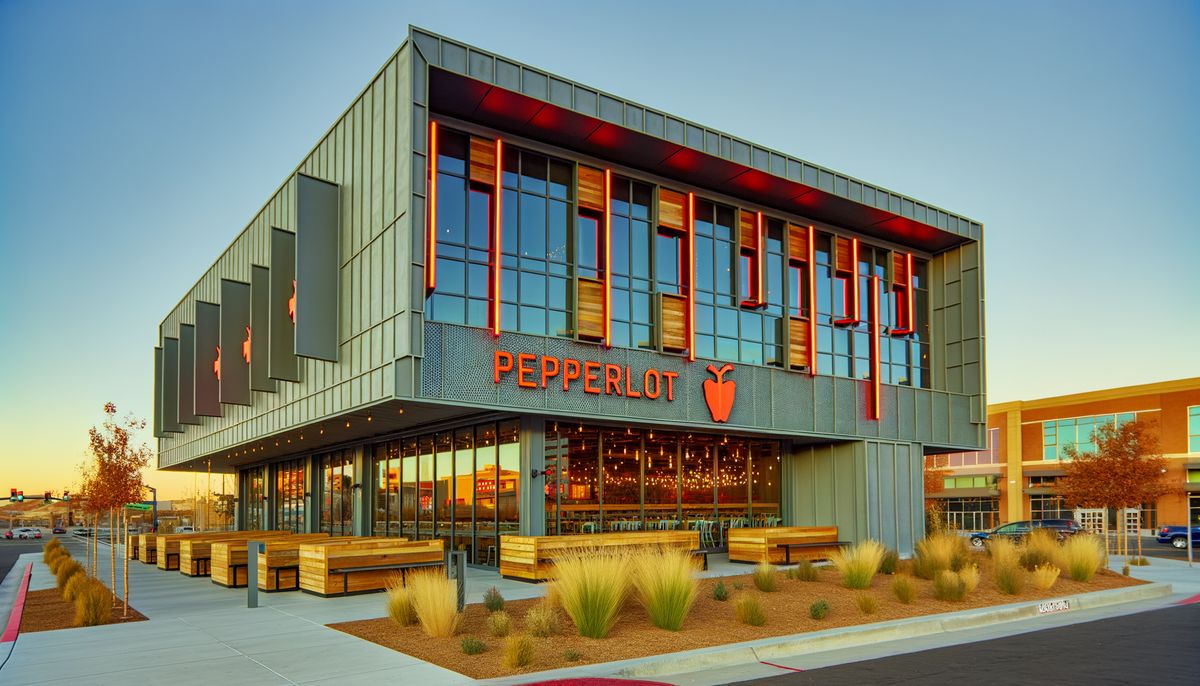
Alex Rusu has built what the restaurant industry has needed for years: a real estate marketplace that doesn't waste your time with office suites and warehouses. Pepperlot went live this spring as the first online platform dedicated exclusively to buying, selling, and leasing restaurant properties nationwide. No more scrolling past irrelevant listings. No more explaining what a grease interceptor is to a broker who's never worked food service.
Rusu, a commercial real estate veteran who's spent years navigating construction logistics and site selection, saw the problem clearly. "Restaurant real estate has always been a fragmented, slow process," he says. "Operators spend months searching through listings that were never built for food service. We built Pepperlot to fix that." The platform filters for what matters: commercial ventilation, hood systems, walk-in coolers, zoning compliance, and permitting requirements that can kill a deal before it starts.
Beyond listings, Pepperlot includes location intelligence tools that let operators analyze local competition by cuisine type, identify underserved dayparts, and evaluate income demographics and population density before signing a lease. It's site selection data that previously required hiring a consultant or making expensive mistakes. Brokers and landlords gain access to a pool of qualified restaurant tenants actively searching for operational spaces, not just anyone looking for square footage.
The platform is live now at pepperlot.com, accepting listings from brokers, agents, landlords, and operators. Rusu says additional features are rolling out through 2026, though he's keeping those details close. The timing matters—restaurant expansion is rebounding after years of disruption, and operators need efficient tools to capitalize on market opportunities without the friction that's plagued restaurant real estate for decades.
If Pepperlot delivers on its promise, it could finally bring transparency and speed to a sector that's operated like it's still 1995. For an industry built on thin margins and precise execution, that's not just convenient—it's competitive advantage.