
True Salt Boosts Crystal Blend Output to Meet Operator Demand
The Phoenix-based supplier is targeting cost-conscious chefs and chain operators with a product it bills as a direct replacement for legacy salt suppliers.
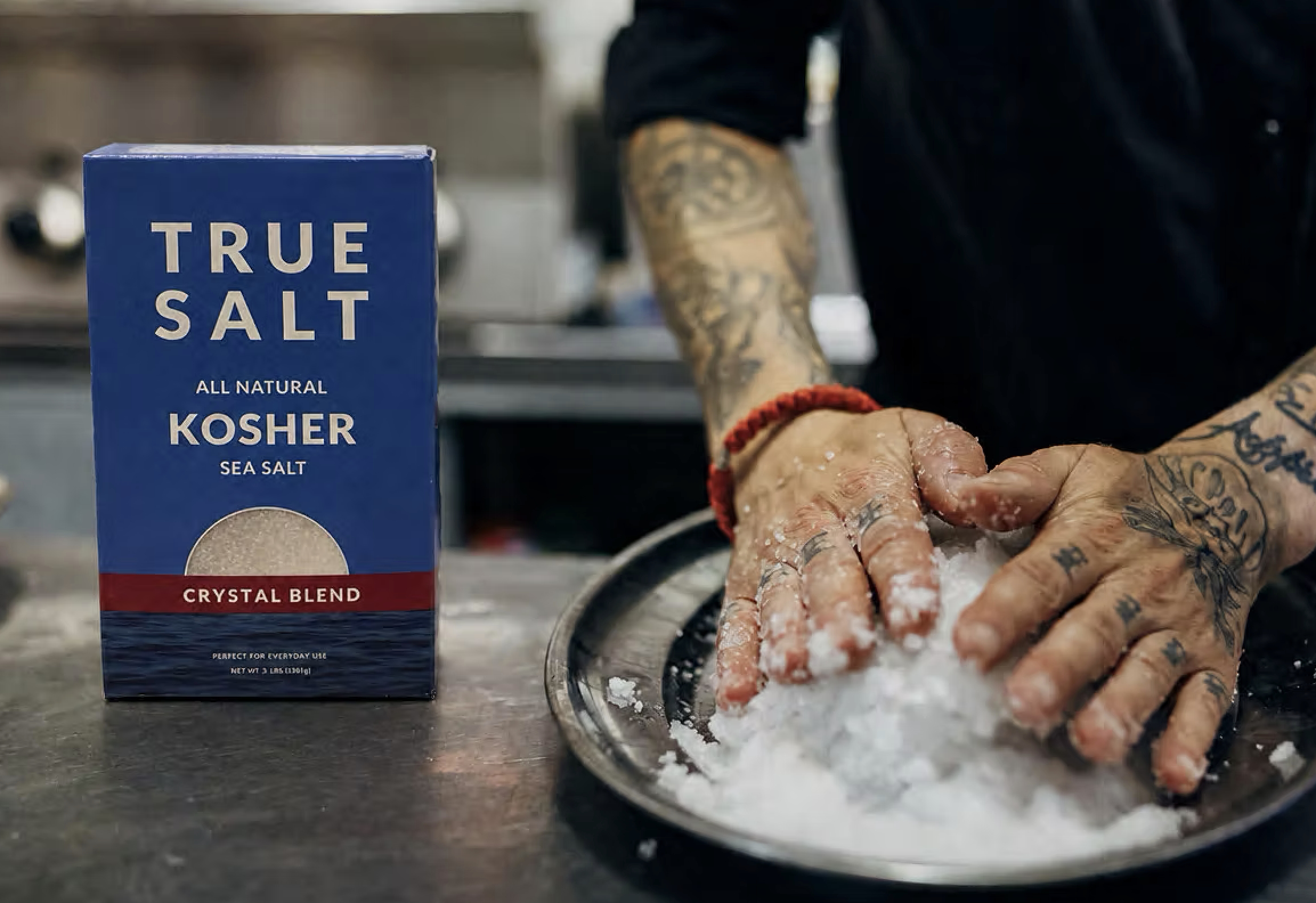
True Salt said Tuesday it is significantly expanding production capacity for its Crystal Blend Sea Salt, citing accelerating national demand from restaurant operators and foodservice chains under sustained cost pressure. The Phoenix-based company is positioning the product as an "Inflation Buster" — a lower-cost alternative to incumbent salt suppliers that it says requires no meaningful change to kitchen operations.
The company did not disclose specific production volumes, capital expenditure figures, or revenue targets associated with the capacity increase. However, the move signals that ingredient-level cost management remains a front-of-mind concern for operators more than two years into a foodservice inflation cycle that has compressed margins across the sector.
Salt is among the most universal line-item inputs in professional kitchens, and suppliers that can offer credible cost relief on commodity staples have found an receptive audience as operators face continued pressure on food costs. According to the U.S. Bureau of Labor Statistics, food-away-from-home prices rose 3.4% year-over-year as of early 2026, keeping procurement teams in active search of substitution opportunities that do not require menu reformulation or front-of-house disclosure.
True Salt contends that Crystal Blend's formulation allows chefs to maintain health-forward menu positioning — an increasingly material consideration as operators balance cost reduction against consumer demand for cleaner-label ingredients. The company is targeting independent chefs alongside regional and national foodservice chains, suggesting a go-to-market strategy aimed at both the long tail of independent operators and higher-volume institutional accounts.
The production scale-up reflects a broader dynamic playing out across specialty ingredient suppliers, where differentiated positioning on cost and quality is drawing operator interest away from legacy broadline distributors. As covered in [recent supply-chain analysis on F&B Industry News](/supply-chain/specialty-ingredient-suppliers-gain-share), smaller branded suppliers have accelerated market penetration by offering direct procurement pathways. For additional context on how operators are restructuring ingredient spend, see [our coverage of foodservice cost management trends](/consumer-trends/foodservice-operators-inflation-cost-strategies).
Written by Michael Politz, Author of [Guide to Restaurant Success: The Proven Process for Starting Any Restaurant Business From Scratch to Success (ISBN: 978-1-119-66896-1)](https://www.amazon.com/Beverage-Magazines-Guide-Restaurant-Success/dp/1119668964), Founder of Food & Beverage Magazine, the leading online magazine and resource in the industry. Designer of the Bluetooth logo and recognized in Entrepreneur Magazine's "Top 40 Under 40" for founding American Wholesale Floral, Politz is also the Co-founder of the Proof Awards and the CPG Awards and a partner in numerous consumer brands across the food and beverage sector.