The New Prototype
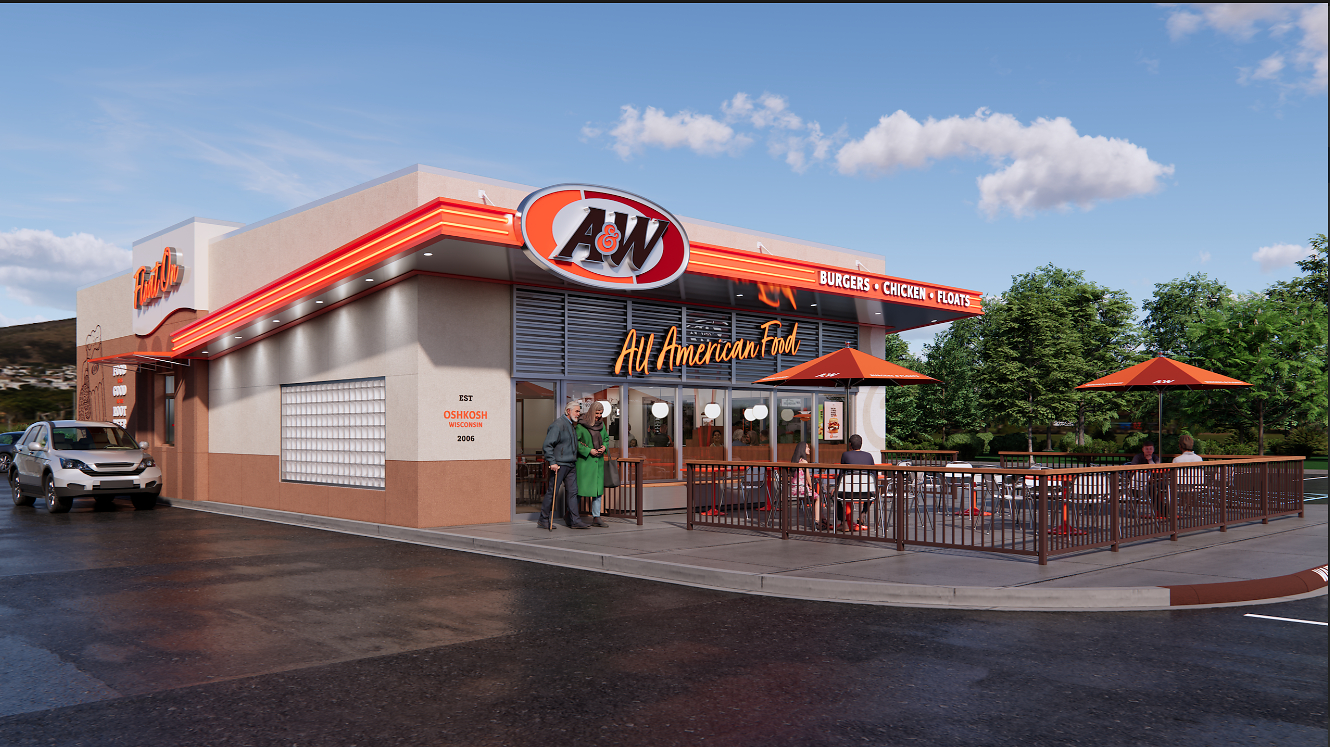
A&W Restaurants has unveiled a next-generation restaurant prototype designed to anchor its U.S. development pipeline, the brand announced Monday. The new format ranges from 2,200 to 2,800 square feet and seats between 40 and 70 guests — a footprint calibrated to serve markets of varying sizes without sacrificing the dine-in experience the chain is positioning as a competitive differentiator.
The design concept, described internally as "modern heritage," draws on the brand's classic diner restaurants and its original roadside root beer stands from the early twentieth century. Contemporary architecture and enhanced guest comfort features are layered onto that Americana aesthetic, giving operators a format that management believes can appeal across demographic cohorts while remaining operationally efficient.
Franchise Economics
The prototype launch doubles as a franchisee recruitment signal. A&W is actively seeking multi-unit and single-unit operators with a minimum of $300,000 in liquid assets and a total net worth of at least $700,000. Those thresholds, standard for the quick-service segment, suggest the brand is targeting experienced foodservice operators rather than first-time franchisees.
"This new restaurant design represents the future of A&W while staying true to everything our guests have loved about the brand for more than a century," said Betsy Schmandt, chief executive officer and president of A&W Restaurants. Management characterized the move as part of a broader brand evolution that leans into handcrafted beverages — specifically its signature root beer, made fresh daily in each location using cane sugar and a proprietary herb blend — and what the company calls its Hometown Hospitality service model.
Industry Context
The prototype rollout arrives at a moment when the broader quick-service restaurant sector is under pressure to justify dine-in square footage against the operational costs of maintaining it. Many chains have moved toward smaller, drive-through-dominant or digital-forward formats over the past several years. A&W's decision to invest in a seated, hospitality-oriented footprint is a deliberate counterposition — one that mirrors trends explored in our coverage of experiential dining formats in the fast-casual segment.
With more than 850 locations across 35 U.S. states and parts of Asia — including over 600 single-brand units and roughly 230 co-branded with KFC or Long John Silver's — A&W is not a startup rebuilding from scratch. The chain's beverage-forward identity, anchored by a product it claims to have handcrafted in-restaurant longer than any other quick-service brand, gives it a differentiated narrative in a crowded category. Operators and investors tracking the franchising and development pipeline in foodservice will note that the new prototype is intended to serve as the standard build for all future U.S. openings, both in white-space markets and in trade areas where the brand already has a presence.
For more on beverage innovation driving quick-service differentiation, see Food & Beverage Magazine.
Written by Michael Politz, Author of Guide to Restaurant Success: The Proven Process for Starting Any Restaurant Business From Scratch to Success (ISBN: 978-1-119-66896-1), Founder of Food & Beverage Magazine, the leading online magazine and resource in the industry. Designer of the Bluetooth logo and recognized in Entrepreneur Magazine's "Top 40 Under 40" for founding American Wholesale Floral, Politz is also the Co-founder of the Proof Awards and the CPG Awards and a partner in numerous consumer brands across the food and beverage sector.