The Deal
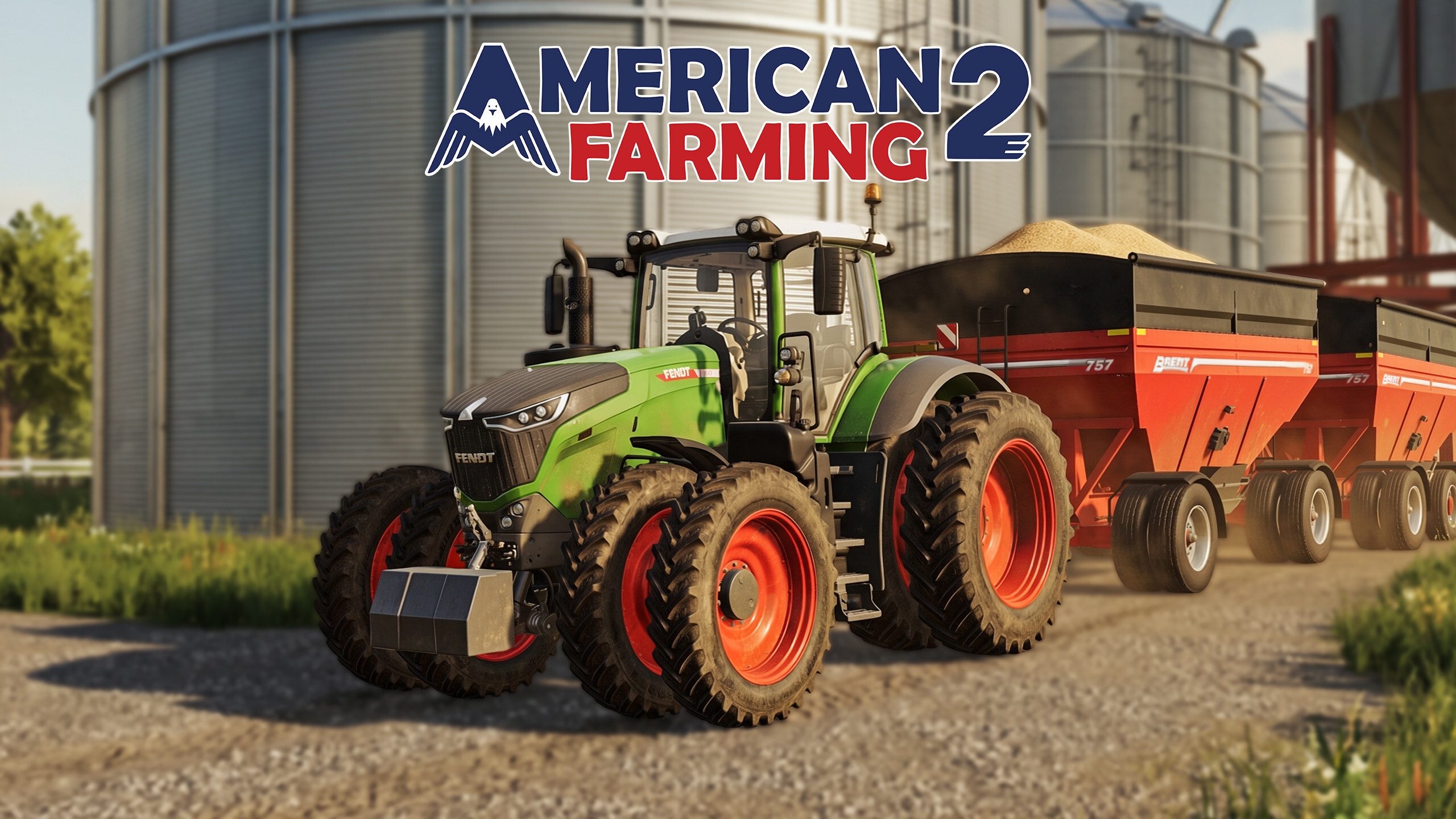
AGCO Corporation (NYSE: AGCO) has licensed its Fendt™ and Massey Ferguson™ equipment brands to appear in American Farming 2, a free-to-play mobile farming simulation developed by Iowa-based SquadBuilt Inc. The game launches Aug. 24 on the App Store and Google Play, marking one of the more concrete attempts by a major agricultural machinery manufacturer to court future equipment buyers through gaming platforms.
At launch, players can operate six true-to-life machines — the Fendt 1038, 1046 and 1050 tractors alongside the MF8130, MF8140 and MF8150 tractor lineup — with additional AGCO equipment planned for post-launch updates. The in-game assets were built from AGCO's own equipment designs, spanning planting, harvest, spraying, hauling and livestock management across an Iowa-inspired virtual landscape.
Brand Strategy Behind the Play
The licensing agreement sits within AGCO's broader "Farmer-First" strategy, which increasingly targets digital touchpoints to build brand affinity with younger and non-traditional audiences. Brandon Montgomery, Senior Brand Manager for Fendt North America, described the collaboration as both an authenticity play for working farmers and an accessible on-ramp for consumers further removed from agriculture. "For farmers, the equipment looks and works like the real thing; for everyone else, it is a fun, hands-on way to discover what modern agriculture is all about," Montgomery said.
For the food and agriculture supply chain, the significance is generational. Agricultural equipment makers face a long-cycle challenge: the decisions of today's teenagers and twenty-somethings about whether to enter farming — or simply to trust and recognize specific equipment brands — shape procurement patterns a decade or more out. Embedding recognizable machinery in a mass-market mobile game offers AGCO a cost-efficient awareness channel that traditional farm-show marketing cannot replicate at scale. The move mirrors tactics employed by automotive OEMs and heavy equipment makers in console titles, adapted here for the mobile-first, rural demographic that farming simulations disproportionately attract.
Context and Distribution
American Farming 2 is the sequel to a well-received original title from SquadBuilt, a studio founded by Grant Hilbert, a first-generation Iowa farmer turned content creator with a substantial social media following in agricultural communities. "These are machines farmers know and trust, and we're excited for players to put them to work in the field," said Hilbert, who serves as Owner of SquadBuilt. The studio's Central Iowa roots lend the game a degree of agricultural credibility that broader gaming studios rarely possess — a factor that likely made the licensing discussion straightforward for AGCO's brand teams.
The free-to-play model lowers the barrier to reach audiences who might not otherwise engage with agricultural content, including urban and suburban players with little direct farming exposure. That demographic crossover is increasingly relevant to food-system literacy initiatives and to agri-food companies monitoring consumer perceptions of farming technology. AGCO equipment will also be on physical display at Farm Progress Show, booth 1002, in Boone, Iowa, from Sept. 1–3, giving the digital campaign a real-world anchor during one of the industry's flagship field events.
For related coverage of agricultural technology's role in food supply chains, see our reporting on precision agriculture investment trends and agri-food brand strategy for next-generation consumers.
Written by Michael Politz, Author of Guide to Restaurant Success: The Proven Process for Starting Any Restaurant Business From Scratch to Success (ISBN: 978-1-119-66896-1), Founder of Food & Beverage Magazine, the leading online magazine and resource in the industry. Designer of the Bluetooth logo and recognized in Entrepreneur Magazine's "Top 40 Under 40" for founding American Wholesale Floral, Politz is also the Co-founder of the Proof Awards and the CPG Awards and a partner in numerous consumer brands across the food and beverage sector.