
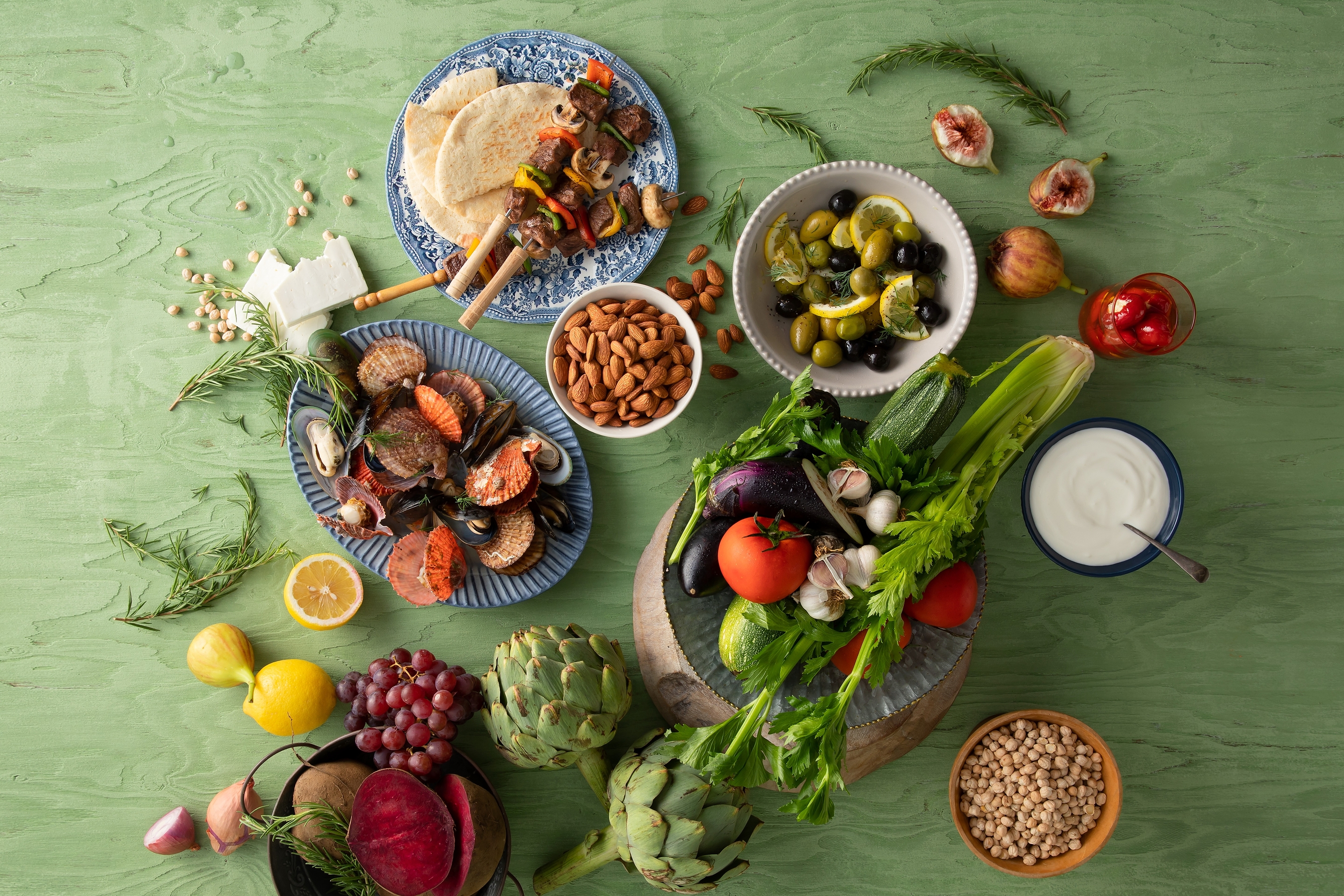
The Almond Board of California is capitalizing on the inaugural International Day of the Mediterranean Diet — formally established by the United Nations General Assembly and observed November 16 — to sharpen its trade messaging around almonds as a functional, format-flexible ingredient for food manufacturers, foodservice operators, and retail buyers.
California's Central Valley accounts for roughly 80% of the global almond supply, giving the Board substantial market leverage as consumer interest in plant-forward and Mediterranean-style eating continues to expand. The push arrives as the broader nuts-and-seeds category competes for shelf space and menu real estate against an increasingly crowded field of plant-based protein sources.
The Nutritional Case
The Board is anchoring its trade argument in peer-reviewed research. A 2025 expert panel published in Current Developments in Nutrition concluded that daily almond consumption can reduce LDL cholesterol without promoting weight gain, and that consuming at least 50 grams (approximately 1.8 ounces) per day may support modest weight loss in some individuals. The U.S. Food and Drug Administration has also recognized a qualified health claim noting that eating 1.5 ounces per day of most nuts, including almonds, as part of a diet low in saturated fat and cholesterol, may reduce the risk of heart disease — though the agency notes the evidence suggests but does not prove that relationship.
The science is further buttressed by the PREDIMED trial, Spain's landmark cardiovascular study involving 7,447 adults at high cardiovascular risk. Participants following a Mediterranean diet supplemented with extra-virgin olive oil or mixed nuts — almonds among them — showed a lower incidence of heart attack, stroke, or cardiovascular death compared with those on a reduced-fat diet. The Board acknowledges the trial was conducted in older Spanish adults at elevated cardiovascular risk, limiting direct extrapolation to broader U.S. consumer populations.
One ounce of almonds delivers 13 grams of unsaturated fat, 6 grams of plant protein, and only 1 gram of saturated fat — a macronutrient profile that maps well onto clean-label and better-for-you product development briefs increasingly common across foodservice and packaged-goods categories.
Format Flexibility for Operators
Registered dietitian-nutritionist Lauren Manaker, MS, RDN, LDN, CLEC, consulting for the Board, frames the opportunity around format versatility rather than a single SKU. Whole, sliced, slivered, ground, and butter forms each address distinct application windows: textural finishing for grain bowls and roasted vegetable dishes, emulsification in sauces and dips such as hummus and baba ganoush, and flour or crumb-topping substitution in baked goods.
"Almonds are incredibly versatile in cooking," Manaker said. "From adding crunch and roasting with vegetables to incorporating them into grain bowls, sauces and savory dishes, almonds make it easier to embrace Mediterranean-style eating without overcomplicating mealtime."
For retail buyers, the Mediterranean diet's flexibility — it emphasizes vegetables, fruits, whole grains, legumes, nuts, seeds, and olive oil, with moderate fish, dairy, eggs, and poultry — broadens the addressable basket beyond specialty or health-focused shoppers. California's Central Valley also produces significant volumes of the olive oil, fresh fruits, vegetables, and tree nuts that form the diet's core, a supply-chain coherence the Board is using to reinforce origin storytelling for premium positioning.
The Board's Mediterranean Diet Day activation sits within a longer-running effort to expand almond demand across both domestic and international markets. Operators and product developers tracking ingredient sourcing and health-positioning strategy in the nuts category will find the accompanying research dossier at almonds.com relevant to formulation and menu-development planning.
Written by Michael Politz, Author of Guide to Restaurant Success: The Proven Process for Starting Any Restaurant Business From Scratch to Success (ISBN: 978-1-119-66896-1), Founder of Food & Beverage Magazine, the leading online magazine and resource in the industry. Designer of the Bluetooth logo and recognized in Entrepreneur Magazine's "Top 40 Under 40" for founding American Wholesale Floral, Politz is also the Co-founder of the Proof Awards and the CPG Awards and a partner in numerous consumer brands across the food and beverage sector.