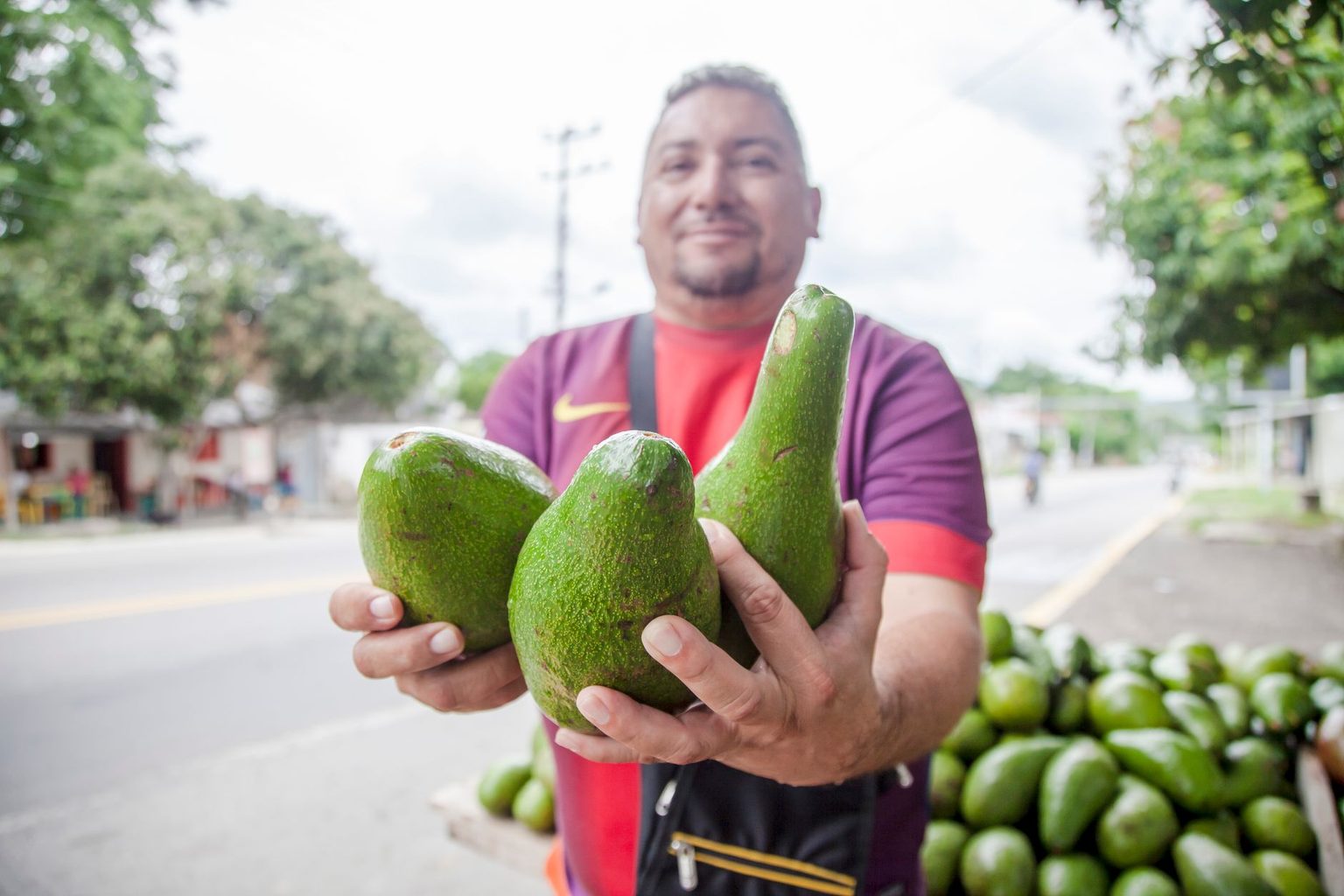
Avocados From Peru landed an unusual marketing platform on July 2, hosting a Superfood Breakfast aboard the USS Arlington at the invitation of the U.S. Navy as part of the International Naval Review 250 — the centerpiece maritime event marking America's 250th anniversary in New York Harbor.
The activation placed the Peruvian avocado export brand at one of the most high-profile ceremonial gatherings in recent U.S. history, where naval vessels from multiple nations assembled in the harbor. For a commodity-linked promotional body competing for shelf visibility against dominant Mexican supply, the association with a nationally televised, patriotism-charged event represents a calculated departure from conventional retail or foodservice sampling campaigns.
Export Brand Strategy
Peru has aggressively expanded its avocado export footprint over the past decade, positioning itself as a premium alternative to Mexican-origin fruit — particularly during the Northern Hemisphere's summer window when Peruvian supply peaks. The U.S. market remains the primary destination for Peruvian avocado volume, and promotional bodies backed by growers and government export agencies have increasingly invested in experiential activations to build brand equity beyond price-per-unit comparisons.
Hosting a structured breakfast event aboard a commissioned U.S. Navy vessel — rather than at a trade show booth or retail demo station — signals an attempt to elevate the category's health-and-wellness positioning in a setting associated with performance nutrition. Avocados have become a staple in better-for-you foodservice menu development, with operators in hospitality and institutional catering routinely featuring them in breakfast and brunch formats where the "superfood" descriptor carries commercial weight.
What It Means for Operators
For foodservice buyers and retail category managers, the event underscores the growing promotional ambition of Southern Hemisphere avocado suppliers as they compete for year-round placement. Peru's counter-seasonal supply window — running roughly April through August — gives U.S. importers and distributors a sourcing alternative when Mexican volumes tighten, and export promotion campaigns that build consumer pull are a direct lever on wholesale demand.
The broader avocado category has shown resilience in U.S. foodservice despite cost pressures across fresh produce. Breakfast daypart penetration, in particular, has been a growth vector, with avocado toast and egg-based dishes anchoring premium fast-casual and hotel dining menus alike. A brand association with a landmark national event may generate earned media that a standard trade campaign could not replicate at comparable cost. Coverage of produce marketing trends and export-brand strategy appears regularly on Food & Beverage Magazine.
The International Naval Review 250 drew broad public and media attention as part of the country's semiquincentennial observances, providing Avocados From Peru with an audience well beyond the traditional specialty-produce buyer segment. For more on fresh produce's role in foodservice menu innovation and how export brands compete for U.S. distribution, see related F&B Industry News coverage.
Written by Michael Politz, Author of Guide to Restaurant Success: The Proven Process for Starting Any Restaurant Business From Scratch to Success (ISBN: 978-1-119-66896-1), Founder of Food & Beverage Magazine, the leading online magazine and resource in the industry. Designer of the Bluetooth logo and recognized in Entrepreneur Magazine's "Top 40 Under 40" for founding American Wholesale Floral, Politz is also the Co-founder of the Proof Awards and the CPG Awards and a partner in numerous consumer brands across the food and beverage sector.