The Seasonal Push
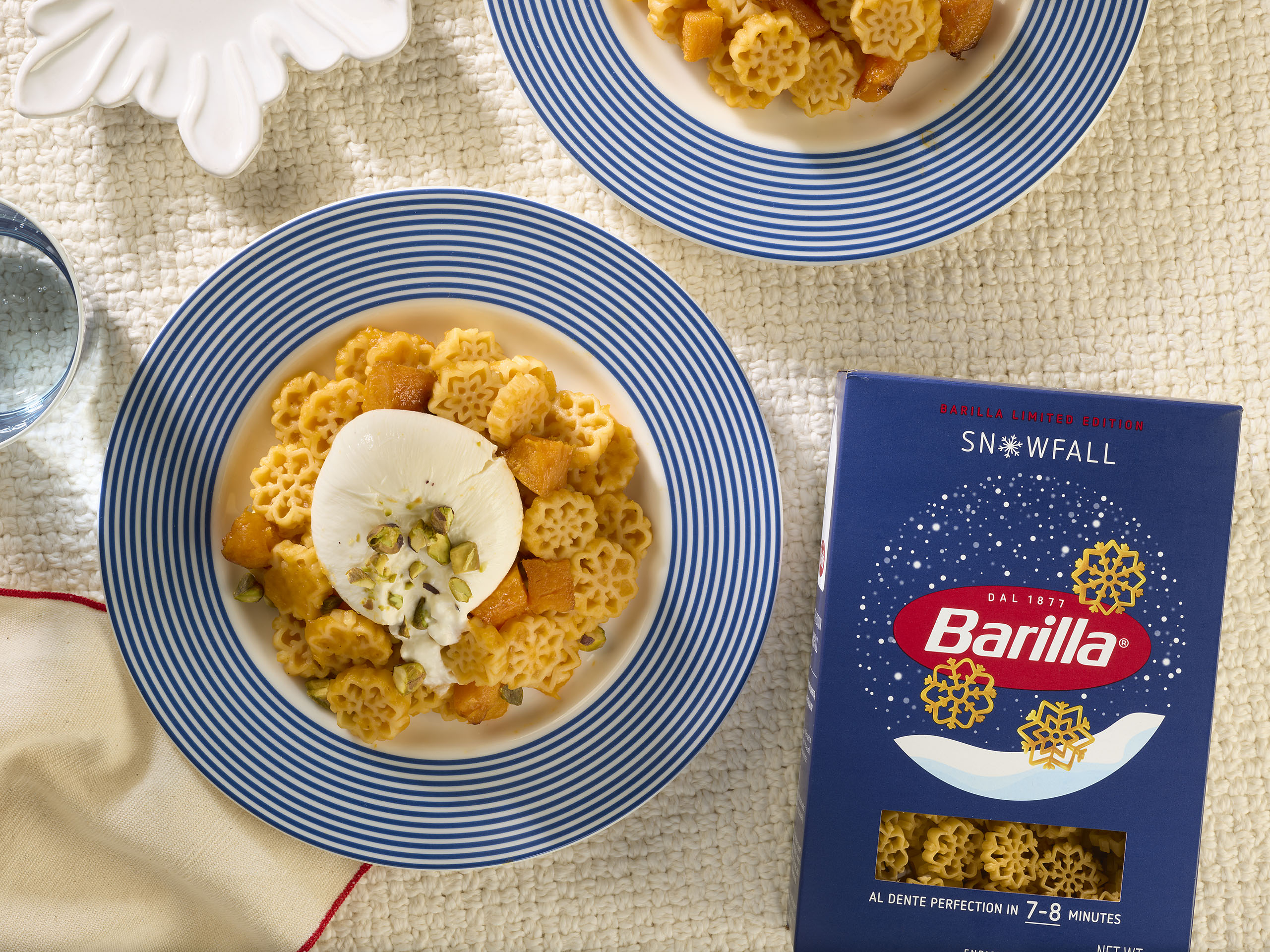
Barilla America is broadening its holiday retail footprint with the return of its Snowfall limited-edition pasta — now in its third consecutive season — alongside the debut of festive packaging for two core SKUs: Cellentani and Classic Elbows. The products are available through January 2027, while supplies last, at major grocery and mass-market retailers including Walmart, Kroger, Publix, Albertsons, and Amazon.
The move reflects a measured but deliberate seasonal-SKU strategy by the Northbrook, Illinois-based subsidiary of Barilla Group, which operates nearly 9,000 employees globally across brands that include Mulino Bianco, Wasa, Goodles, and Pasta Evangelists. By anchoring Snowfall's return to a third consecutive holiday cycle, the company is treating what began as a one-off seasonal novelty as a recurring product platform — a tactic increasingly common among packaged-food manufacturers seeking incremental volume in a mature category.
Product Architecture
Snowfall retains its three-shape format — a traditional snowflake, a poinsettia-inspired form, and a heart-centered piece — each engineered with sauce-catching grooves designed to lift performance in baked and sauced applications. The shape variety gives the product versatility across casual weeknight meals and holiday entertaining occasions, broadening its occasion footprint beyond the novelty tier.
The new Cellentani and Elbows Holiday Packs do not change the pasta formulation; instead, they apply winter-themed illustration overlays to Barilla's established blue-box formats. That approach allows the company to generate incremental shelf facings and gift-giving appeal without retooling production lines — a capital-light path to seasonal differentiation that is well-suited to the ambient pasta segment, where margin pressure from private label remains persistent.
Retail and Category Context
The ambient pasta category in the United States has faced volume headwinds as post-pandemic pantry destocking ran its course, but premium and specialty shapes have outperformed commodity spaghetti and penne formats. Seasonal and limited-edition SKUs serve a dual purpose for category leaders: they reinforce brand salience during high-traffic retail periods and provide retailers with differentiated items that resist direct price comparison with private-label alternatives.
Barilla's decision to distribute the holiday lineup through both brick-and-mortar chains and Amazon signals continued investment in omnichannel reach for seasonal items — a channel mix that aligns with broader trends in packaged-food seasonal merchandising tracked across the grocery sector. For operators and meal-kit developers sourcing Italian-style pasta at volume, the seasonal SKU availability may also offer limited short-window procurement opportunities before the January 2027 shelf-pull date.
The expansion arrives as Food & Beverage Magazine has noted growing retailer appetite for exclusive or limited-run pasta SKUs that can anchor seasonal endcap displays, particularly during the November-to-January holiday window when center-store categories compete aggressively for promotional space. Barilla's ability to place product across five major retail banners simultaneously suggests the brand retains meaningful shelf-pull leverage with category buyers. For further context on how Italian heritage brands are navigating the U.S. specialty pasta landscape, see our recent coverage of import and domestic pasta dynamics.
Written by Michael Politz, Author of Guide to Restaurant Success: The Proven Process for Starting Any Restaurant Business From Scratch to Success (ISBN: 978-1-119-66896-1), Founder of Food & Beverage Magazine, the leading online magazine and resource in the industry. Designer of the Bluetooth logo and recognized in Entrepreneur Magazine's "Top 40 Under 40" for founding American Wholesale Floral, Politz is also the Co-founder of the Proof Awards and the CPG Awards and a partner in numerous consumer brands across the food and beverage sector.