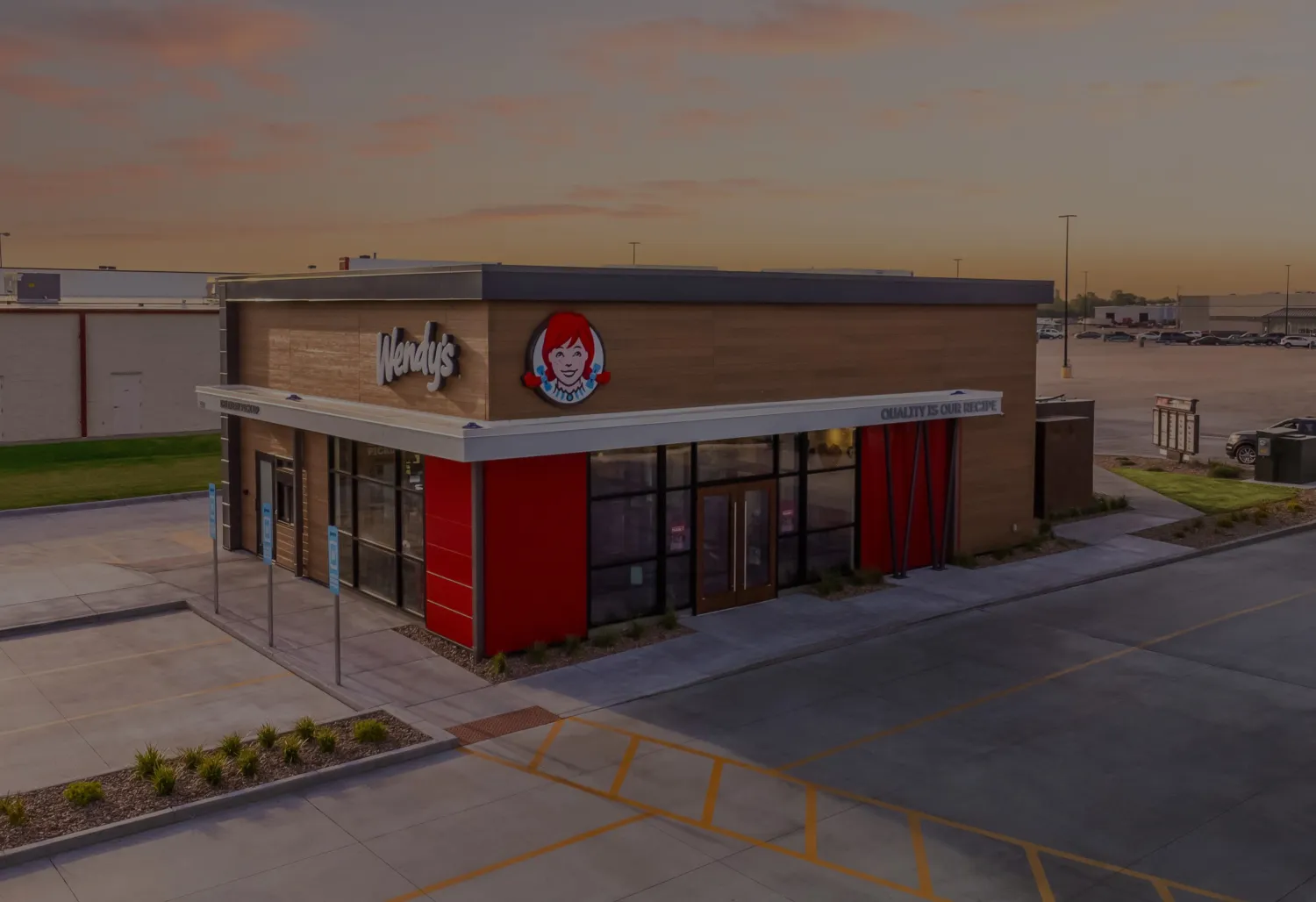
Blackwells Capital has publicly opposed Trian Fund Management's $7.35-per-share proposal to acquire The Wendy's Company, calling the bid a dramatic undervaluation of the quick-service restaurant operator and urging the company's board to reject it.
The activist investment firm's statement adds a new fault line to the contest for control of one of the largest burger chains in the United States, which trades on the Nasdaq under the ticker WEN. Trian, the fund co-founded by Nelson Peltz that has long held a significant stake in Wendy's, has not publicly disclosed the strategic or financial rationale underpinning its offer price.
The Valuation Dispute
Blackwells did not specify in its statement what it believes constitutes fair value for Wendy's, but the firm's language — "dramatically undervalues" — signals that any counteroffer or competing process would need to clear a materially higher bar. For context, a $7.35-per-share price implies a total equity valuation that investors and analysts will weigh against Wendy's system sales, franchised unit economics, and the brand's long-term digital and delivery growth initiatives.
Wendy's operates more than 7,000 restaurants globally, the overwhelming majority under franchise agreements — a capital-light structure that typically commands a premium multiple in acquisition scenarios. The chain has in recent years invested in breakfast daypart expansion and loyalty platform development, initiatives that Blackwells may argue are not yet fully reflected in Trian's proposed price.
Broader M&A Context
The dispute lands at a moment of heightened dealmaking interest across the quick-service restaurant sector, where rising labour costs, franchisee margin pressure, and shifting consumer traffic patterns have compressed valuations while simultaneously attracting private equity and strategic acquirers. Trian's approach follows a broader pattern of activist funds seeking to monetise long-held restaurant positions as organic growth slows.
Blackwells' intervention introduces a potential competing-bidder dynamic or, at minimum, a proxy-season complication that could delay or restructure any transaction. The firm has previously engaged with restaurant and hospitality companies on governance and strategic direction, making its opposition a credible constraint on deal momentum.
For Wendy's franchisees and the broader foodservice investment community, the standoff raises questions about ownership continuity and strategic direction at a brand navigating a competitive landscape that includes McDonald's, Burger King, and a proliferating set of better-burger challengers. A prolonged public dispute between two major shareholders rarely accelerates the operational clarity that franchise systems require.
Written by Michael Politz, Author of Guide to Restaurant Success: The Proven Process for Starting Any Restaurant Business From Scratch to Success (ISBN: 978-1-119-66896-1), Founder of Food & Beverage Magazine, the leading online magazine and resource in the industry. Designer of the Bluetooth logo and recognized in Entrepreneur Magazine's "Top 40 Under 40" for founding American Wholesale Floral, Politz is also the Co-founder of the Proof Awards and the CPG Awards and a partner in numerous consumer brands across the food and beverage sector.