
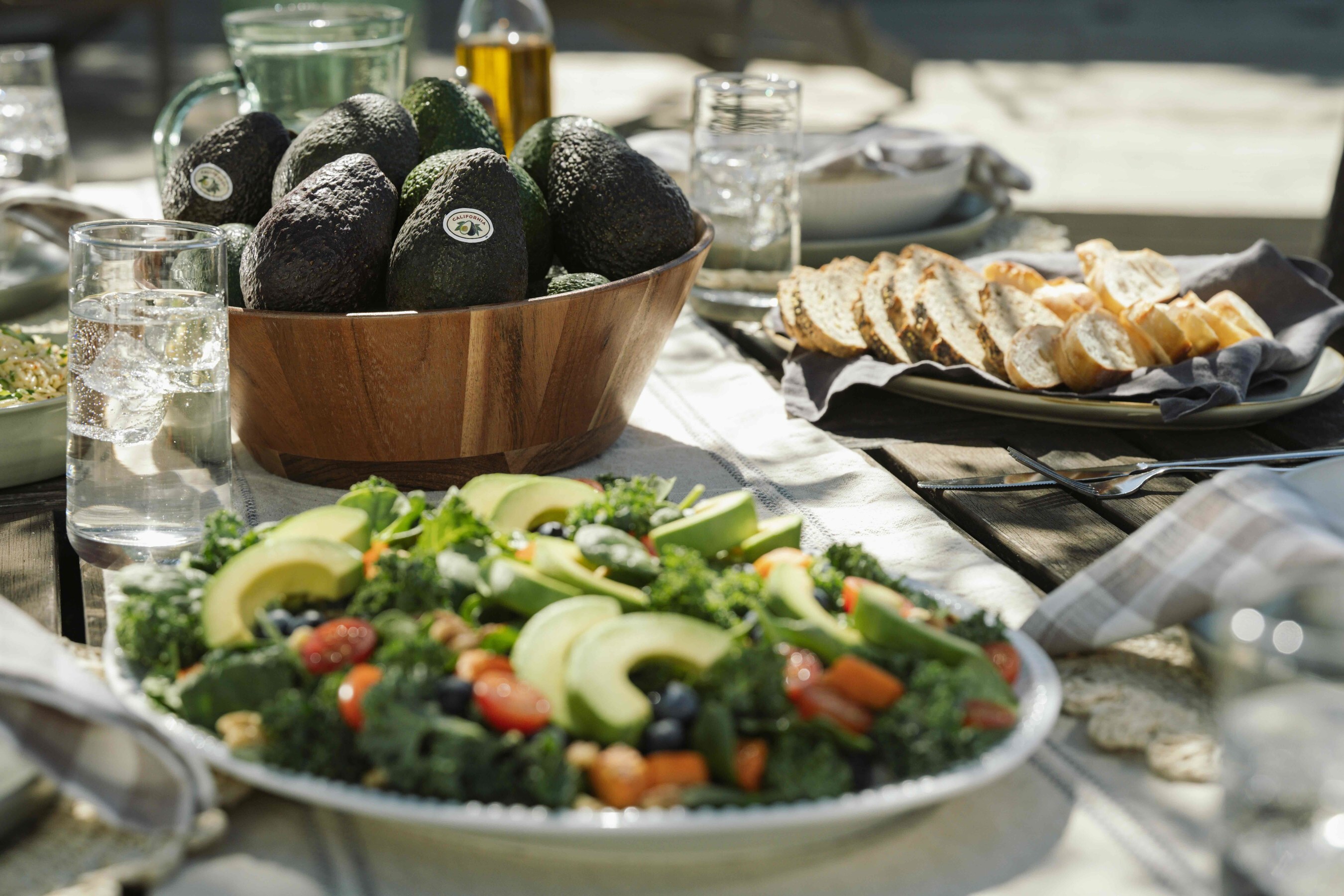
The California Avocado Commission declared June its annual promotional month, coinciding with peak harvest availability and drawing renewed attention to the state's outsized role in the domestic avocado supply chain. Retailers across California are being encouraged to feature locally grown fruit through the end of summer as the commission works to convert seasonal interest into sustained shelf placement and consumer spending.
California accounts for approximately 90% of the United States' domestically grown avocado supply, cultivated across roughly 50,000 acres spanning Monterey County in the north to San Diego County in the south. The commission did not disclose total crop volume or projected season yield figures, but cited billions of dollars in aggregate economic value generated annually for California communities — a figure that encompasses grower revenue, packing operations, logistics, and downstream retail activity.
The sector directly supports more than 14,500 full-time equivalent positions, ranging from farmworkers and packinghouse employees to commercial truck drivers and local suppliers. That employment footprint makes the avocado industry one of the more labour-intensive specialty-crop sectors in the state, with wage multiplier effects extending well beyond the farm gate. For food retailers and foodservice operators, the commission's framing of each purchase as a "direct investment" in local growers reflects a broader industry push toward provenance-based marketing at a time when domestic-origin labelling has gained measurable traction with consumers.
The seasonal window — running through late summer — creates a finite promotional corridor for grocers and restaurant operators to differentiate California-grown product against the year-round imported supply, primarily from Mexico, which dominates overall U.S. avocado volumes. Buyers and category managers in the fresh produce segment have increasingly used origin storytelling to justify modest price premiums on domestically sourced items, a strategy covered in detail in our fresh produce retail pricing analysis earlier this year.
The commission stopped short of issuing formal volume or revenue guidance for the 2026 season. Industry observers tracking the specialty-crop segment will watch whether tightening water allocations in Southern California growing regions — a recurring constraint for avocado farmers — affect late-season supply and spot pricing at the wholesale level. For a broader look at how California agricultural commissions are adapting promotional spending amid shifting retail dynamics, see our California ag commission marketing spend overview.
Written by Michael Politz, Author of Guide to Restaurant Success: The Proven Process for Starting Any Restaurant Business From Scratch to Success (ISBN: 978-1-119-66896-1), Founder of Food & Beverage Magazine, the leading online magazine and resource in the industry. Designer of the Bluetooth logo and recognized in Entrepreneur Magazine's "Top 40 Under 40" for founding American Wholesale Floral, Politz is also the Co-founder of the Proof Awards and the CPG Awards and a partner in numerous consumer brands across the food and beverage sector.