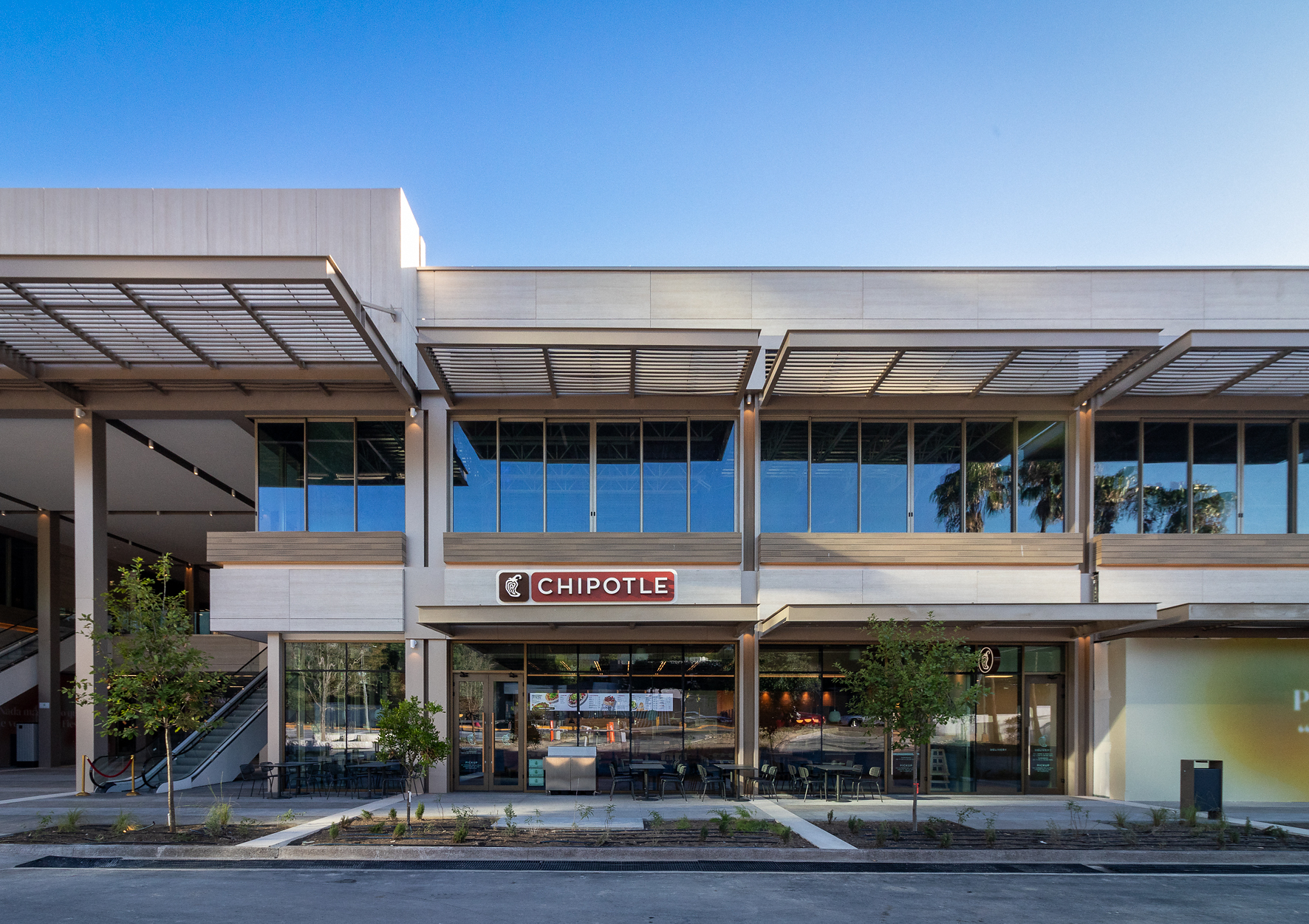
Chipotle Mexican Grill (NYSE: CMG) will open its first restaurant in Mexico on Thursday, July 16, in San Pedro Garza García — an affluent municipality within the Monterrey metropolitan area of Nuevo León — through a franchise partnership with Alsea (BMV: ALSEA*), the Latin American and European restaurant operator.
The debut marks the chain's entry into a market it has long conspicuously avoided: the home country of the cuisine its brand name references. Food & Beverage Magazine has tracked Chipotle's international ambitions as the Newport Beach, California-based company accelerated its global buildout in recent years, adding locations across Canada, the United Kingdom, Western Europe, and the Middle East.
Why Nuevo León First
The choice of San Pedro Garza García is strategically deliberate. The municipality is among the wealthiest in Latin America, home to a dense concentration of multinational corporations and a consumer base with demonstrated appetite for premium fast-casual dining. Monterrey's proximity to the U.S. border also means a significant share of residents are familiar with the Chipotle format — a factor that lowers both brand-education costs and trial risk for an initial launch. Alsea brings operational depth to the partnership: the Mexico City-based operator runs Domino's, Burger King, Starbucks, and other major chains across Latin America and Spain, giving it the supply-chain and real-estate infrastructure to scale a new brand rapidly.
Expansion Road Map
The two companies plan additional Nuevo León openings before year-end 2026, followed by an expansion into Mexico City in 2027. Mexico City, a metro area of roughly 22 million people, represents the larger commercial prize — and a stiffer competitive test, given the density of established fast-casual and casual-dining operators in the capital. Chipotle's menu of customizable burritos, bowls, tacos, salads, and quesadillas will be prepared fresh in-restaurant, consistent with its global format.
The Mexico entry comes as Chipotle faces slowing comparable-restaurant sales growth in its core U.S. market, making international expansion a key lever for top-line momentum. Analysts have pointed to the company's relatively thin international footprint — fewer than 100 restaurants outside North America as of early 2026 — as both a risk and an opportunity. The Alsea arrangement, structured as a licensed partnership rather than direct ownership, limits Chipotle's capital exposure while leveraging a proven regional operator. Investors and foodservice industry observers will watch the Monterrey launch closely for early read-through on unit economics and consumer reception before the more capital-intensive Mexico City rollout begins. For more on cross-border fast-casual expansion dynamics, see our coverage of international franchise growth trends and Chipotle's prior European expansion.
Written by Michael Politz, Author of Guide to Restaurant Success: The Proven Process for Starting Any Restaurant Business From Scratch to Success (ISBN: 978-1-119-66896-1), Founder of Food & Beverage Magazine, the leading online magazine and resource in the industry. Designer of the Bluetooth logo and recognized in Entrepreneur Magazine's "Top 40 Under 40" for founding American Wholesale Floral, Politz is also the Co-founder of the Proof Awards and the CPG Awards and a partner in numerous consumer brands across the food and beverage sector.