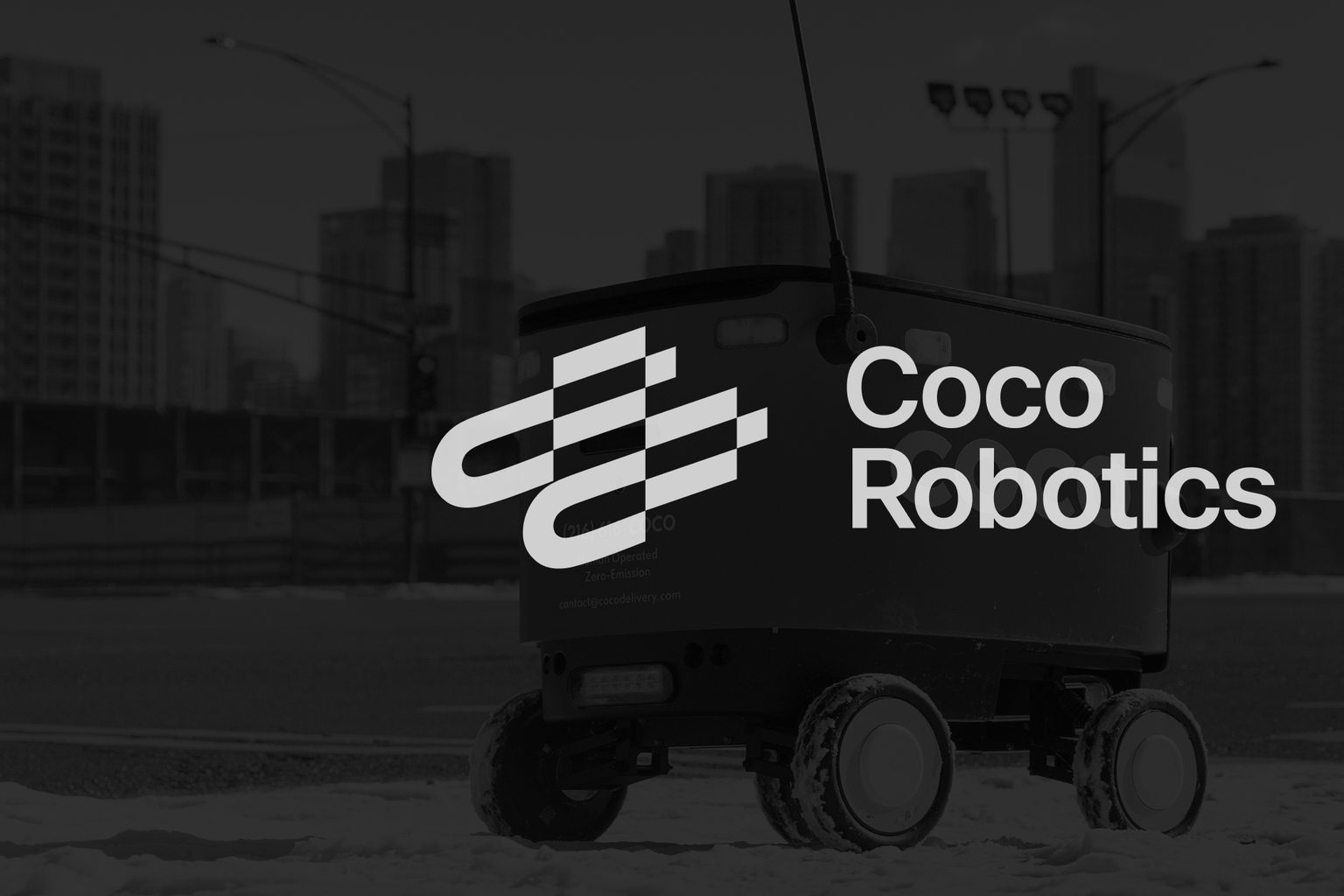
Coco Robotics is entering Washington, D.C., adding the nation's capital to its roster of urban deployment markets as sidewalk delivery robots begin serving local restaurants and retailers this summer.
The Los Angeles-based platform positions the D.C. expansion as part of a broader strategy to scale its autonomous ground-vehicle fleet across high-density U.S. cities. Coco's robots navigate sidewalks to complete last-mile food and retail orders, an operational model the company says reduces vehicle traffic, curb congestion, and delivery-related emissions in dense urban corridors.
Why Restaurants Should Watch
For foodservice operators in D.C., the arrival of Coco's fleet represents an incremental fulfillment channel at a moment when delivery economics remain under pressure. Third-party platform commissions have compressed restaurant margins for years, and operators in competitive urban markets have increasingly explored alternative last-mile options — including robotics partnerships — to lower per-order costs and expand delivery radius without adding headcount. Coco's model, which partners directly with neighborhood restaurants and retailers, is structured to slot alongside or in place of traditional courier networks.
The D.C. market carries particular weight: the district's density, mixed-use zoning, and concentration of quick-service and fast-casual operators make it a viable testing ground for pedestrian-scale robotics. Sidewalk delivery has faced regulatory scrutiny in several jurisdictions, but D.C. has permitted small autonomous delivery devices under district law, clearing a key operational hurdle for Coco's entry.
Sector Momentum
Coco's expansion reflects accelerating operator and investor interest in autonomous delivery as a cost-containment tool. Rival platforms including Starship Technologies and Kiwibot have similarly concentrated deployments in campus and urban-core environments, while larger logistics players have piloted ground-vehicle programs in suburban markets. The competitive dynamic is pushing platforms to secure restaurant and retail partnerships in high-footfall metros before network density makes late entry expensive.
For F&B operators evaluating delivery infrastructure, the practical question is unit economics: whether robot fulfillment can deliver at a per-order cost that undercuts or matches app-based courier services while maintaining acceptable delivery windows. Coco has not disclosed per-order pricing or merchant fee structures for the D.C. launch.
The D.C. rollout follows Coco's prior deployments in Los Angeles, Miami, and other major metros. Industry observers tracking the autonomous delivery segment will be watching whether the company can achieve the merchant density in D.C. needed to make its network operationally efficient — a threshold that has proven the critical variable in prior urban robot-delivery attempts. Operators seeking to benchmark the category can find additional context in recent foodservice technology coverage on this network.
Written by Michael Politz, Author of Guide to Restaurant Success: The Proven Process for Starting Any Restaurant Business From Scratch to Success (ISBN: 978-1-119-66896-1), Founder of Food & Beverage Magazine, the leading online magazine and resource in the industry. Designer of the Bluetooth logo and recognized in Entrepreneur Magazine's "Top 40 Under 40" for founding American Wholesale Floral, Politz is also the Co-founder of the Proof Awards and the CPG Awards and a partner in numerous consumer brands across the food and beverage sector.