Cohen & Steers (NYSE: CNS) has acquired West Street Shopping Center in Keene, New Hampshire through its Real Estate Opportunities Fund (REOF), adding a Hannaford-anchored open-air retail property to its grocery-anchored portfolio via a joint venture with DLC, a vertically integrated owner and operator of open-air shopping centers.
The Grocery Anchor
The Hannaford supermarket at the center is described as a top performer, generating what Cohen & Steers calls "extraordinary sales" driven by a structural competitive advantage: Keene sits near the Massachusetts state border, where shoppers face a 6.25% state sales tax. New Hampshire levies none, creating a durable cross-border demand pull for grocery and retail spend. James S. Corl, Head of the Private Real Estate Group at Cohen & Steers, cited the city's hub geography — with highways radiating in eight directions — as amplifying the effective trade area well beyond its immediate population base. That outsized catchment, he said, makes the center attractive to national retailers "who are underrepresented in Keene and have been looking for a way to participate in this market."
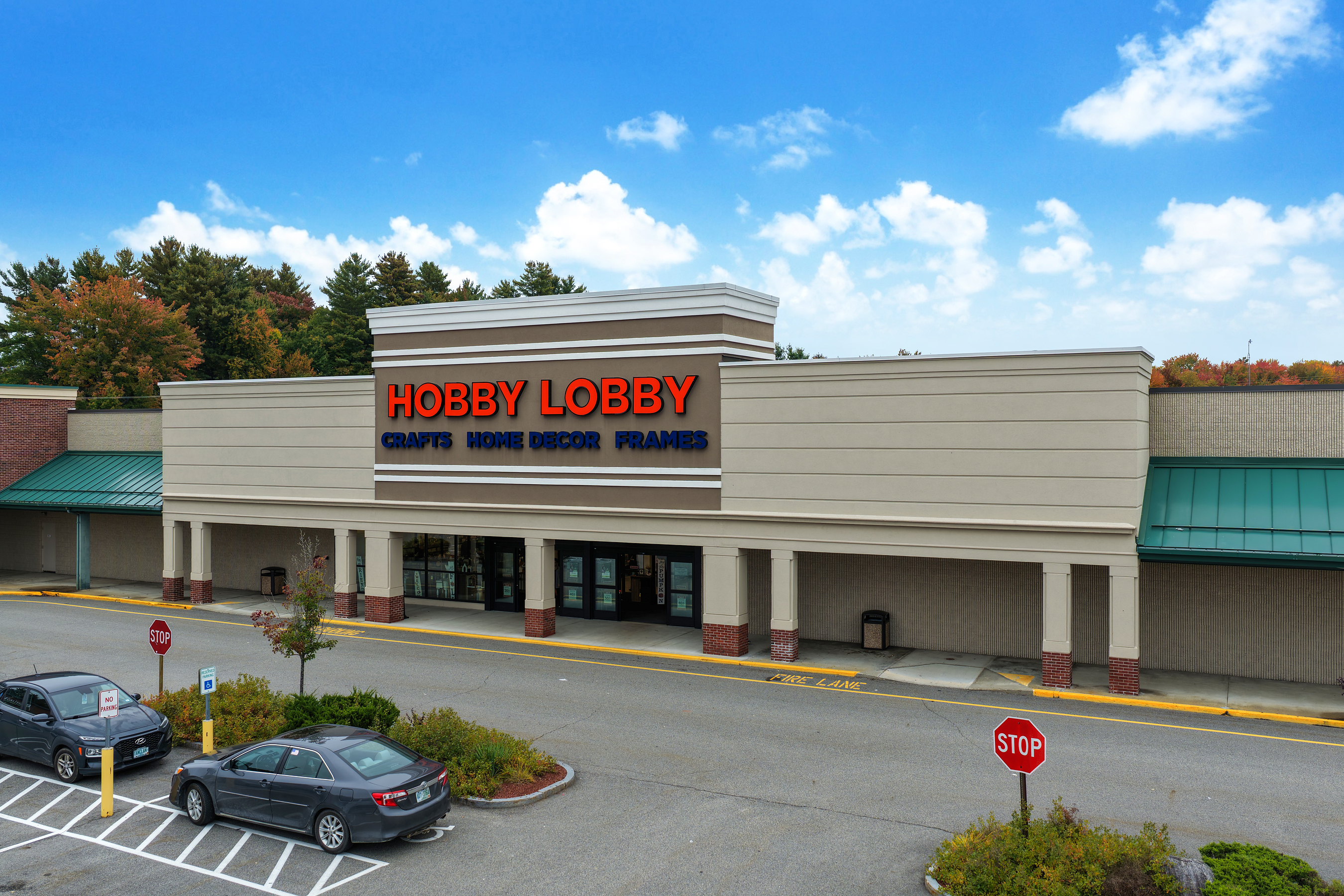
The asset sits roughly 90 miles northwest of Boston, serving as the primary commercial node for southwestern New Hampshire. The 3-mile median household income is $85,000, according to CoStar data as of October 15, 2026. Beyond Hannaford, the tenant mix includes Hobby Lobby, Maurices, UPS, Spectrum, and AAA — a lineup oriented toward necessity and value categories that aligns with the fund's stated preference for recession-resistant retail formats.
Why Grocery Anchors Matter
The acquisition reflects a broader institutional conviction that grocery-anchored open-air centers are among the most defensible retail real estate formats in the current environment. Foot traffic generated by a high-frequency grocery operator provides a reliable customer base for co-tenants, reducing leasing risk and supporting rent stability — factors that have drawn renewed capital flows into the format from institutional managers navigating elevated interest-rate uncertainty. For operators and food and beverage brands seeking distribution and visibility in established regional markets, grocery-anchored centers with strong anchor performance metrics remain a preferred venue for new-to-market entry.
DLC brings more than $4.3 billion and 24 million square feet in assets under management across 90-plus properties, operating an integrated platform that spans construction and design. The partnership structure allows Cohen & Steers to access DLC's operational infrastructure while deploying capital from REOF into income-generating assets outside major coastal metros — a strategy gaining traction as secondary and tertiary markets demonstrate resilient consumer spending.
The deal continues a pattern of institutional investors targeting grocery-anchored community centers in supply-constrained markets, a segment that has outperformed broader retail real estate benchmarks on occupancy and rent-growth metrics. For food and beverage industry participants — from grocery chains evaluating anchor lease economics to CPG brands assessing in-store placement at high-traffic formats — the sustained institutional demand for well-performing supermarket anchors underscores the strategic value grocers generate beyond their own four walls.
No acquisition price was disclosed. Additional terms of the joint venture were not released.
Written by Michael Politz, Author of Guide to Restaurant Success: The Proven Process for Starting Any Restaurant Business From Scratch to Success (ISBN: 978-1-119-66896-1), Founder of Food & Beverage Magazine, the leading online magazine and resource in the industry. Designer of the Bluetooth logo and recognized in Entrepreneur Magazine's "Top 40 Under 40" for founding American Wholesale Floral, Politz is also the Co-founder of the Proof Awards and the CPG Awards and a partner in numerous consumer brands across the food and beverage sector.