DR Flavors & Ingredients, the Brazilian botanical-ingredient supplier founded in 1925, is using its centennial milestone to sharpen its international commercial push — targeting food, beverage, and supplement manufacturers across more than 70 markets with a portfolio of standardized extracts derived from guarana, acerola, and yerba mate.
The move comes as consumer appetite for functional, naturally sourced inputs accelerates. According to the International Food Information Council, 41% of Americans actively sought "natural" label claims when purchasing food and beverages in 2025 — a signal that ingredient suppliers with verified provenance and supply-chain control are well positioned to capture formulation budgets from brand owners trying to meet that demand.
The Core Portfolio
Guarana anchors the company's energy and functional-beverage offer. Native to the Amazon, the ingredient is naturally rich in methylxanthines, including caffeine and theobromine. DR Flavors & Ingredients says it operates Brazil's largest installed capacity for liquid guarana extract production, and also supplies powdered formats and concentrated ingredients with caffeine levels of up to 30% — a specification relevant to ready-to-drink energy and sports-nutrition formulators.
The acerola line, marketed under the Vitamin-Ace® brand, ranges from standard extracts to dehydrated powders standardized at up to 40% natural vitamin C. The flagship Vitamin-Ace®40 is positioned as the only ingredient globally standardized at that concentration in a carrier-free form. DR controls the acerola supply chain from raw-material sourcing through processing and standardization, a vertically integrated model that underpins batch-to-batch consistency — a critical selling point for supplement and fortified-food manufacturers operating under strict label-claim requirements.
Yerba mate, which has been part of the company's portfolio for decades, is offered through the MateActive range: green and roasted extracts standardized for natural caffeine and chlorogenic acids. The chlorogenic acid angle is increasingly relevant to functional food and supplement brands targeting antioxidant and metabolic-health positioning.
Scale and Reach
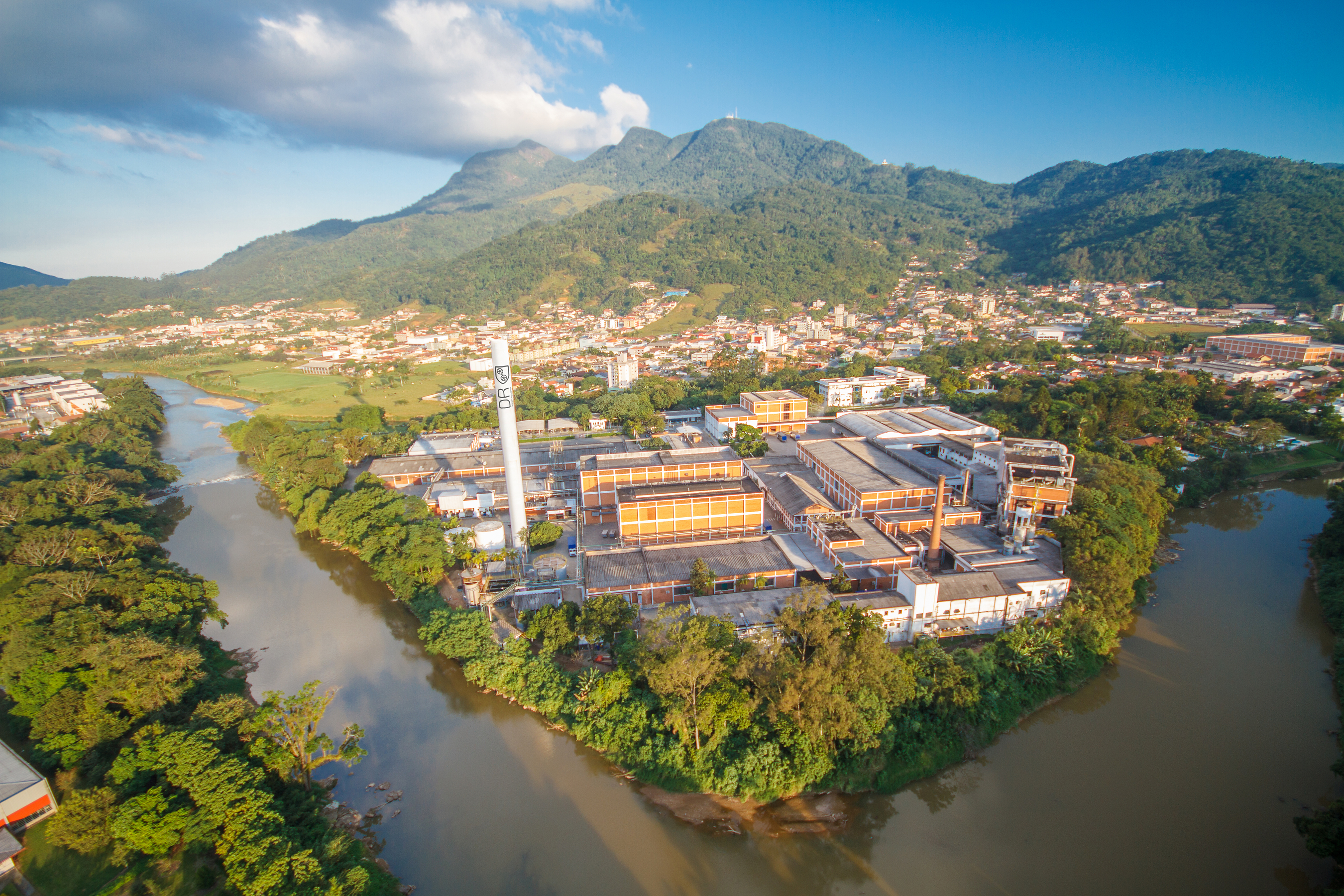
Operating out of Jaraguá do Sul in southern Brazil, DR runs six manufacturing facilities and six R&D centers, with commercial offices in the United States, China, and Poland. The company holds FSSC 22000, Kosher, Halal, and Organic certifications — a quality stack that eases market access across regulated geographies in North America, Europe, and Asia-Pacific.
The centennial positioning is notably timed. Ingredient companies with demonstrated supply-chain depth are gaining leverage as CPG and beverage manufacturers tighten their approved-supplier lists following years of sourcing disruption. DR's claim to vertical integration across multiple Brazilian botanicals — combined with a standardization-first technical approach — differentiates it from brokers or single-origin ingredient traders competing in the same functional-ingredient space.
The company's international scaling also reflects broader consolidation in the botanical extracts segment, where manufacturers sourcing caffeine, vitamin C, and polyphenols are increasingly requiring suppliers to demonstrate traceability documentation and multi-site manufacturing redundancy. As Food & Beverage Magazine has noted in its coverage of the functional ingredient sector, supplier certification depth is now frequently a baseline procurement requirement rather than a differentiator.
Written by Michael Politz, Author of Guide to Restaurant Success: The Proven Process for Starting Any Restaurant Business From Scratch to Success (ISBN: 978-1-119-66896-1), Founder of Food & Beverage Magazine, the leading online magazine and resource in the industry. Designer of the Bluetooth logo and recognized in Entrepreneur Magazine's "Top 40 Under 40" for founding American Wholesale Floral, Politz is also the Co-founder of the Proof Awards and the CPG Awards and a partner in numerous consumer brands across the food and beverage sector.