The Product
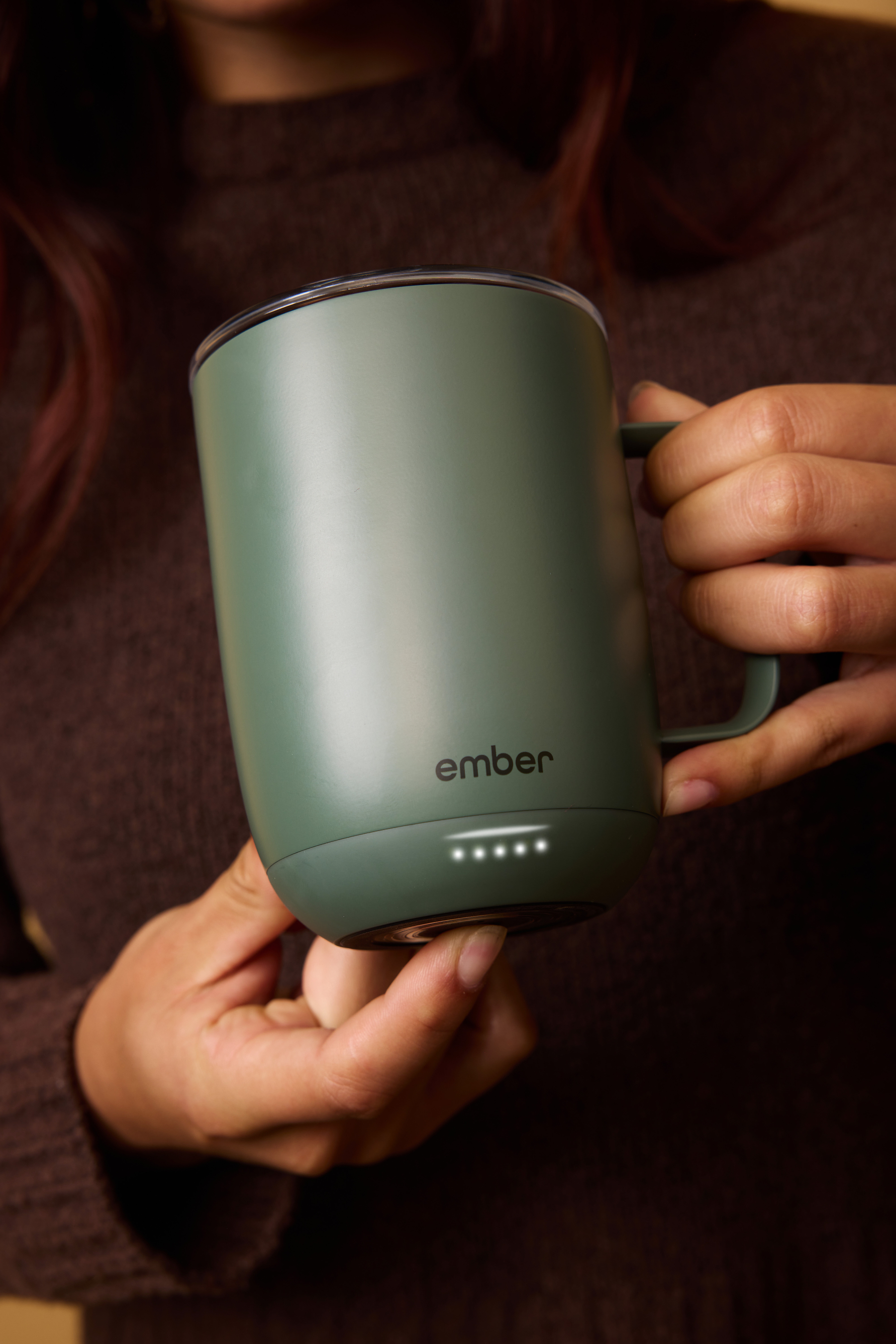
Ember Technologies launched the Mug 3 on September 16, the third generation of its flagship temperature-controlled smart mug, priced at $129 for the 10-ounce model and $149 for the 14-ounce, with distribution rolling into Target stores on September 27 and Amazon in October. The launch is the California-based company's most significant hardware refresh since it established the premium smart-drinkware category more than a decade ago.
The headline addition is on-mug temperature control: users can now cycle through five preset temperature settings — ranging from 125 to 145 degrees Fahrenheit in five-degree increments — by pressing the power button on the mug itself, without opening the companion app. That removes the primary friction point flagged by existing owners and positions the product more squarely as an everyday coffee and tea accessory rather than a tech-dependent gadget. Settings sync automatically with the Ember app when connected.
Retail and Pricing
The 10-ounce mug is available in black, white, and a new stainless colorway. The 14-ounce ships in eight options: black, sage green, lavender, powder blue, salt blue, sandstone, white, and matcha green — a palette clearly calibrated to the specialty coffee and wellness consumer segments that have driven premium drinkware growth over the past several years. Both sizes are available now at ember.com, with the brick-and-mortar Target rollout following eleven days later.
Two further engineering changes address longstanding consumer friction. Ember redesigned the materials and manufacturing process to make Mug 3 top-rack dishwasher-safe while retaining its stainless steel structure and FDA-compliant, ceramic-reinforced interior and exterior coating — a specification carried over from prior generations. Every unit now also ships with a sliding sipping lid that the company says extends battery life to up to three hours on a single charge, compared with the unlidded baseline of previous models.
Why It Matters
For foodservice operators, specialty roasters, and hospitality brands that have co-marketed or gifted Ember products as premium touchpoints, the Mug 3's expanded retail footprint — particularly the Target partnership — signals a push toward broader consumer accessibility without a price cut. At $129 to $149, it remains firmly in the premium drinkware tier, but Target distribution materially widens the addressable audience relative to direct-to-consumer and specialty retail alone.
The smart-drinkware segment has attracted increased competitive attention as at-home coffee consumption has remained elevated since the pandemic, a trend covered in depth by Food & Beverage Magazine. Ember's move to reduce app dependency with physical controls is a direct response to the mainstream consumer who values simplicity — a design philosophy that mirrors broader shifts in connected kitchen appliances toward fewer required steps between product and use.
"We listened to our user feedback when developing the new mug," said Matt Murray, Chief Executive Officer of Ember. "If you are an existing Ember user, we think you will be delighted with the new features, and if you are a first-time user, we are excited to change the way you drink your coffee or tea every day."
The launch also has supply-chain implications for the premium beverage accessories category, where dishwasher-safe certification requires reformulated coatings and tighter manufacturing tolerances — investments that can raise unit costs but reduce return rates and customer-service overhead at scale.
Written by Michael Politz, Author of Guide to Restaurant Success: The Proven Process for Starting Any Restaurant Business From Scratch to Success (ISBN: 978-1-119-66896-1), Founder of Food & Beverage Magazine, the leading online magazine and resource in the industry. Designer of the Bluetooth logo and recognized in Entrepreneur Magazine's "Top 40 Under 40" for founding American Wholesale Floral, Politz is also the Co-founder of the Proof Awards and the CPG Awards and a partner in numerous consumer brands across the food and beverage sector.