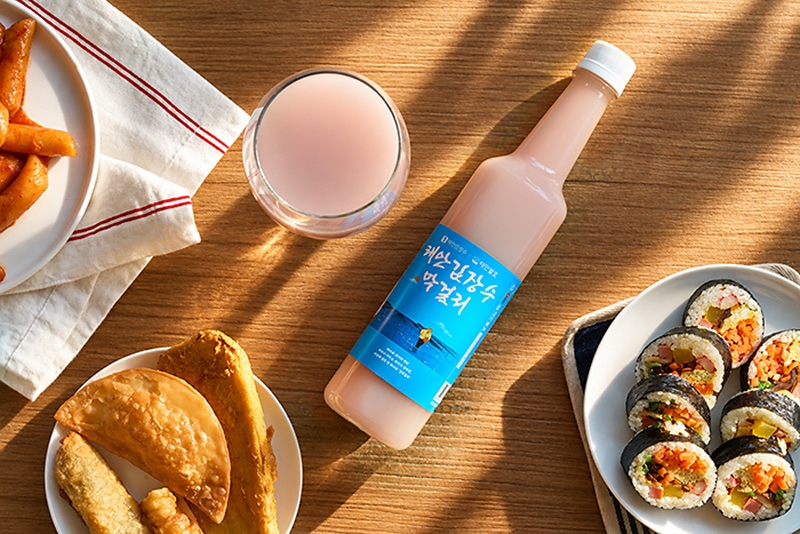
The global grain alcohol market is on track to reach $17.18 billion by 2030, according to a new industry report from Mordor Intelligence, with growth underpinned by accelerating demand from pharmaceutical manufacturers, personal care formulators, and food and beverage producers.
What's Driving Growth
Grain alcohol — ethanol derived from fermented cereal grains including corn, wheat, and rye — serves as a critical input across a broader range of end markets than its traditional beverage roots suggest. Pharmaceutical-grade ethanol is essential in the production of tinctures, antiseptics, and drug solvents, while cosmetics and personal care manufacturers rely on high-purity grain spirits as a carrier and preservative in fragrances, hand sanitizers, and skincare formulations. Within food and beverage specifically, grain neutral spirits remain the base ingredient for a wide swath of distilled products, from vodka and gin to flavored ready-to-drink cocktails — a category that has expanded sharply over the past five years.
Industry Context
The report's forecast aligns with broader momentum in the spirits and industrial alcohol segments. Premium and craft distilled beverage categories have sustained elevated consumer interest globally, pushing distillers to secure reliable, food-grade grain alcohol supply chains. At the same time, post-pandemic investment in domestic pharmaceutical manufacturing — particularly in North America and Europe — has reinforced demand for pharmaceutical-grade ethanol, tightening supply dynamics that food and beverage operators must navigate alongside industrial buyers. For foodservice and hospitality operators, grain alcohol pricing and availability directly affect procurement costs for spirits inventory and alcohol-based cleaning and sanitizing products.
What's Next
The Mordor Intelligence analysis highlights competitive positioning and future opportunities as consolidation among large-scale grain processors continues. Major agricultural commodity traders and diversified distillers are well placed to capture incremental demand, while smaller regional producers face margin pressure from feedstock cost volatility — a dynamic with direct implications for beverage-alcohol brands that source neutral grain spirits externally. Operators and procurement teams tracking grain alcohol costs should monitor corn and wheat futures as leading indicators of near-term input pricing.
For additional context on beverage-alcohol supply chain trends, see F&B Industry News coverage of spirits category dynamics and food ingredient market forecasts.
Written by Michael Politz, Author of Guide to Restaurant Success: The Proven Process for Starting Any Restaurant Business From Scratch to Success (ISBN: 978-1-119-66896-1), Founder of Food & Beverage Magazine, the leading online magazine and resource in the industry. Designer of the Bluetooth logo and recognized in Entrepreneur Magazine's "Top 40 Under 40" for founding American Wholesale Floral, Politz is also the Co-founder of the Proof Awards and the CPG Awards and a partner in numerous consumer brands across the food and beverage sector.