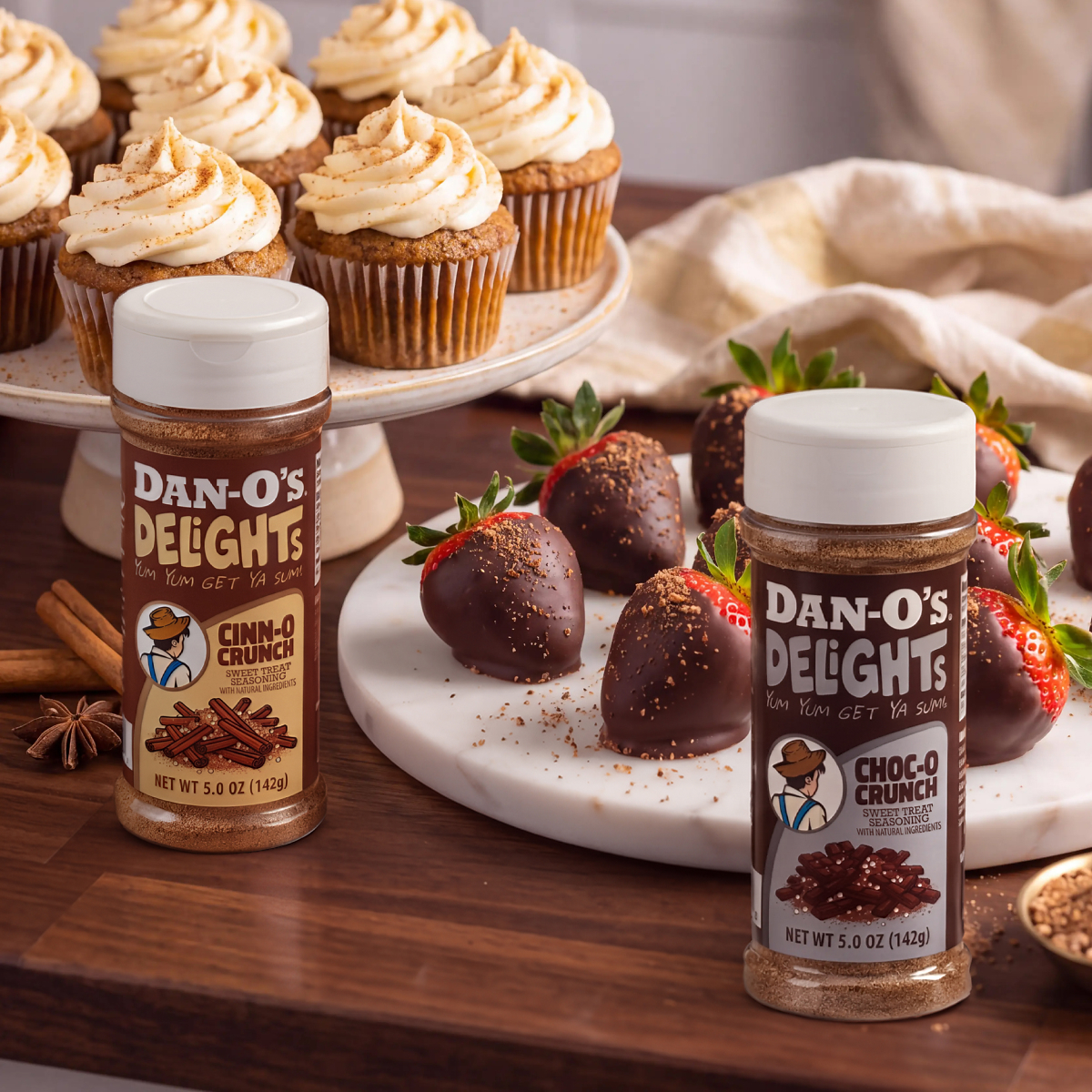
Seasonal grilling demand is once again pressuring retail shelf allocation toward condiments, marinades, dry rubs, and prepared side dishes, as U.S. consumers signal strong intent to cook outdoors this summer, according to category-level data cited by trade buyers and brand managers in recent weeks.
While center-of-plate proteins — ground beef, chicken, and pork — command the largest share of grilling-season basket spend, industry observers note that the so-called supporting cast of grilling products has quietly become a disproportionate margin contributor for both grocery retailers and branded consumer-packaged-goods manufacturers. Condiment and sauce subcategories typically carry gross margins in the range of 40.0% to 55.0% at retail, compared with single-digit to low-double-digit margins on fresh protein.
The structural shift reflects a broader consumer trend documented across recent seasonal surveys: shoppers are trading up within accompaniment categories even as they trade down on protein cuts, seeking premium rubs, craft hot sauces, and restaurant-style marinades to elevate lower-cost proteins. That dynamic has benefited mid-tier and premium condiment brands disproportionately over private-label competitors in the current cycle.
Retailers have responded by expanding dedicated grilling-season endcaps and cross-merchandising sauces alongside proteins in the meat case — a tactic that has shown measurable basket-size improvement in controlled pilots. The strategy aligns with broader omnichannel merchandising approaches tracked by F&B Industry News that link impulse adjacency placement to a 6.0% to 12.0% lift in attached-item sales during high-traffic seasonal periods.
For CPG suppliers, the implication is a narrowing window to capture incremental distribution. Buyers at major grocery chains typically finalize summer planogram resets by late April, meaning brands seeking prominent placement for the Memorial Day through Labor Day grilling corridor must commit promotional spend and volume guarantees well in advance. Supply-chain lead times for glass-packaged sauces and condiments — a preferred format in the premium segment — remain elevated relative to pre-2020 norms, adding execution risk for smaller challengers.
As Food & Beverage Magazine has noted in its seasonal consumer coverage, the cultural staying power of the backyard cookout continues to underpin reliable, calendar-driven demand spikes that brand managers and retail buyers can plan around with relative confidence — making grilling season one of the more predictable volume opportunities remaining in an otherwise volatile grocery environment.
Written by Michael Politz, Author of Guide to Restaurant Success: The Proven Process for Starting Any Restaurant Business From Scratch to Success (ISBN: 978-1-119-66896-1), Founder of Food & Beverage Magazine, the leading online magazine and resource in the industry. Designer of the Bluetooth logo and recognized in Entrepreneur Magazine's "Top 40 Under 40" for founding American Wholesale Floral, Politz is also the Co-founder of the Proof Awards and the CPG Awards and a partner in numerous consumer brands across the food and beverage sector.