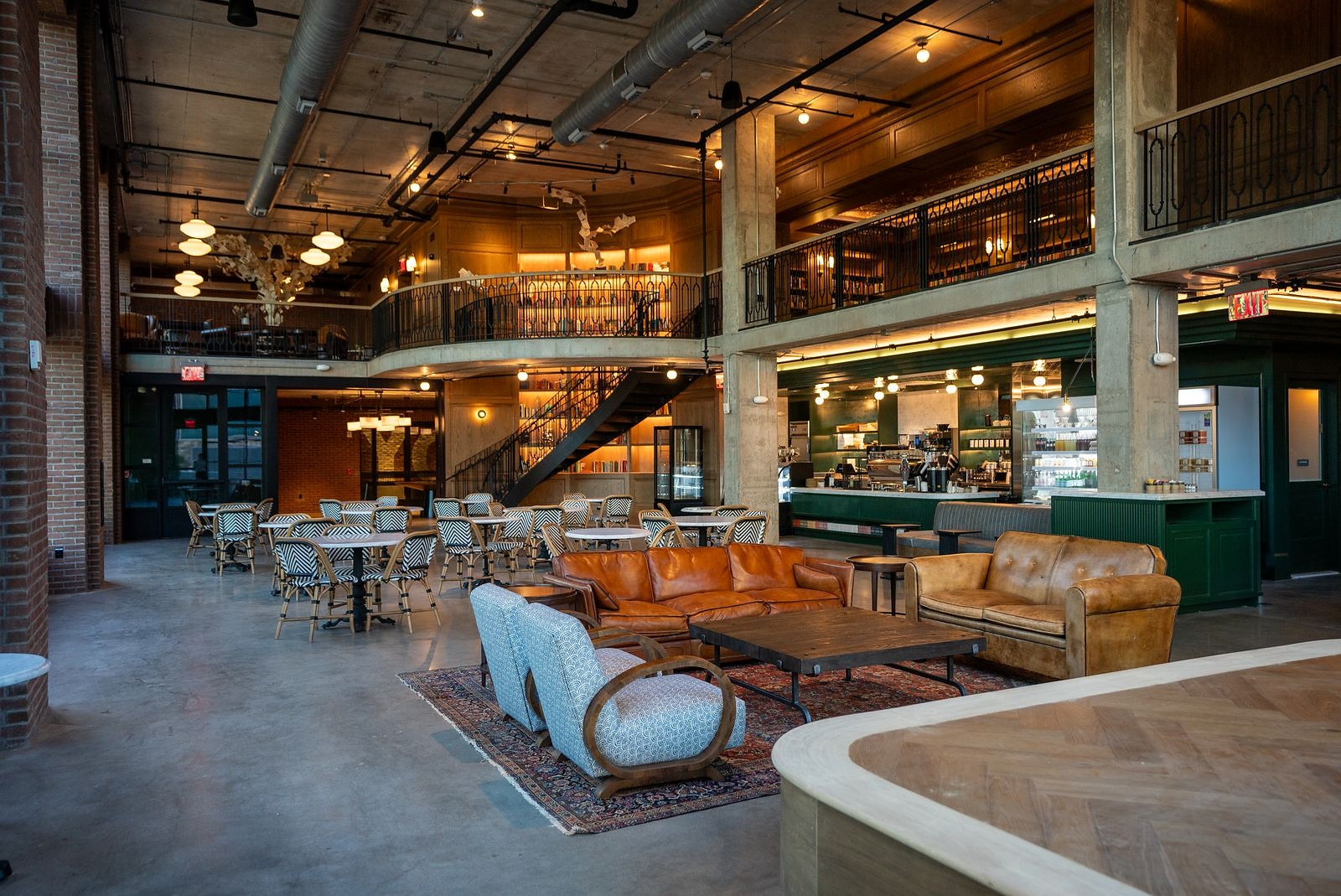
Habit & Co. has appointed chef and content creator Olivia Tiedemann as its third culinary resident, adding a steakhouse-inspired menu and a distinctly dry, opinionated voice to the evolving dining concept.
The Appointment
Tiedemann, known for her no-nonsense approach to both cooking and social content, joins Habit as the latest in a series of rotating chef collaborations designed to refresh the menu and attract audiences beyond the restaurant's existing base. The residency format positions Habit as a platform for culinary talent rather than a static dining destination — a model gaining traction across independent and boutique foodservice operators.
Why It Matters
The culinary residency structure reflects a broader shift in how food-and-beverage operators compete for guest attention in a crowded market. By cycling in chefs with established personal brands and social followings, venues can generate recurring earned media and reach new dining demographics without committing to permanent menu overhauls or additional headcount. Creator-chefs — those with significant digital audiences alongside professional kitchen credentials — have become a recognized growth lever for hospitality groups, particularly at the independent and emerging-chain level.
Tiedemann's steakhouse-influenced menu is a deliberate departure from more casual or globally inflected concepts, signaling that Habit is comfortable moving across culinary registers rather than anchoring to a single cuisine identity. For operators watching the residency model, the choice of protein-forward, steakhouse fare also speaks to enduring consumer demand for premium beef-centered dining experiences, a category that has demonstrated pricing resilience even as broader foodservice traffic has softened.
What's Next
Habit & Co. has not disclosed financial terms of the residency arrangement or the program's duration. As the concept scales its rotating-chef model, it joins a growing cohort of hospitality operators — documented in recent coverage of emerging dining formats — that are treating culinary collaboration as a core commercial strategy rather than a one-off promotional event. Operators in adjacent segments, from boutique hotels to ghost-kitchen platforms, have pursued similar structures to maintain menu novelty and social relevance, as explored in F&B Industry News analysis of foodservice innovation trends.
For food-and-beverage investors and multi-unit operators, the Habit model warrants attention as an asset-light approach to brand building — one that trades kitchen consistency risk for the upside of recurring cultural relevance.
Written by Michael Politz, Author of Guide to Restaurant Success: The Proven Process for Starting Any Restaurant Business From Scratch to Success (ISBN: 978-1-119-66896-1), Founder of Food & Beverage Magazine, the leading online magazine and resource in the industry. Designer of the Bluetooth logo and recognized in Entrepreneur Magazine's "Top 40 Under 40" for founding American Wholesale Floral, Politz is also the Co-founder of the Proof Awards and the CPG Awards and a partner in numerous consumer brands across the food and beverage sector.
Frequently Asked Questions
Who is Olivia Tiedemann and why does her appointment matter?
Tiedemann is a chef and content creator known for her direct, opinionated voice across social platforms and in the kitchen. She's Habit & Co.'s third culinary resident, bringing steakhouse-inspired menu development and an established personal brand that drives earned media and attracts new customer segments without permanent payroll additions.
What is the culinary residency model and why are operators adopting it?
It's a rotating chef collaboration structure that refreshes menus and venues' cultural positioning without static overhauls or headcount increases. Creator-chefs with both digital audiences and kitchen credentials have become a proven growth lever for independent and emerging-chain operators competing in crowded markets.
Why is Habit moving to steakhouse-inspired fare now?
Protein-forward, premium beef-centered dining has demonstrated pricing resilience even as broader foodservice traffic softened, signaling durable consumer demand. The shift also positions Habit as a flexible culinary platform willing to move across registers rather than lock into a single cuisine identity.
How does the residency model generate ROI for independent restaurants?
It cycles in chefs with existing social followings, generating recurring earned media and reaching new demographics without the cost of permanent menu overhauls or expanded kitchen staff. This structure makes high-visibility talent accessible to boutique operators that can't sustain traditional celebrity chef partnerships.
What's the competitive advantage of naming creator-chefs as residents?
Their established personal brands and digital audiences function as built-in marketing channels that drive trial and repeat visits. Operators tap hospitality credibility alongside social proof, a combination that outperforms traditional advertising in reaching affluent, dining-focused consumers at independent and emerging-chain venues.