The Numbers
Jones Soda Co. (CSE: JSDA, OTCQB: JSDA) reported second-quarter 2026 net revenue of $10.2 million, a 107.8% increase from $4.9 million in the year-ago period, fueled primarily by accelerating sales of Fallout-branded craft sodas through the club channel. Year-to-date revenue through June 30 reached $22.6 million, up 147.7% from $9.1 million in the first half of 2025, putting the Seattle-based craft beverage maker well ahead of its prior growth trajectory.
Gross profit for the quarter rose 72% to $2.8 million, though gross margin contracted 580 basis points to 27.5% from 33.3% a year earlier. Management attributed the compression primarily to elevated world oil prices, which pushed logistics costs higher, though the company noted it completed an RFP for major freight lanes late in the quarter that is already yielding lower costs. Total operating expenses climbed to $3.3 million from $2.4 million, driven by higher broker and royalty payments tied to Fallout product volume; as a share of revenue, however, selling and marketing expenses fell to 18.7% from 21.7%, and general and administrative expenses dropped to 13.9% from 27.1%. Adjusted EBITDA loss from continuing operations narrowed to $312,000, an improvement of $427,000 versus the $739,000 loss recorded in Q2 2025.
Shipment Timing and Guidance
Management flagged that approximately $2 million of expected Q2 shipments shifted into the second half of the year, a timing dynamic that constrained the quarter's reported figure. Chief Executive Officer Scott Harvey said those deferred volumes are expected to make Q3 one of the strongest quarters in the company's history. On the strength of year-to-date results and visible demand signals, the company raised its full-year 2026 net revenue growth expectation to at least 80% over fiscal 2025 — implying revenue exceeding $45 million — up from a prior target of approximately 60% growth. Management also added a full-year positive Adjusted EBITDA commitment to its outlook, a meaningful step for a craft beverage operator that has historically operated at a loss at the EBITDA level. Net loss from continuing operations for Q2 was $650,000, or $(0.01) per share; the year-ago period showed net income of $2.7 million only because it included a one-time $3.7 million gain on the disposal of the company's cannabis subsidiary.
Collaborations and Channel Expansion
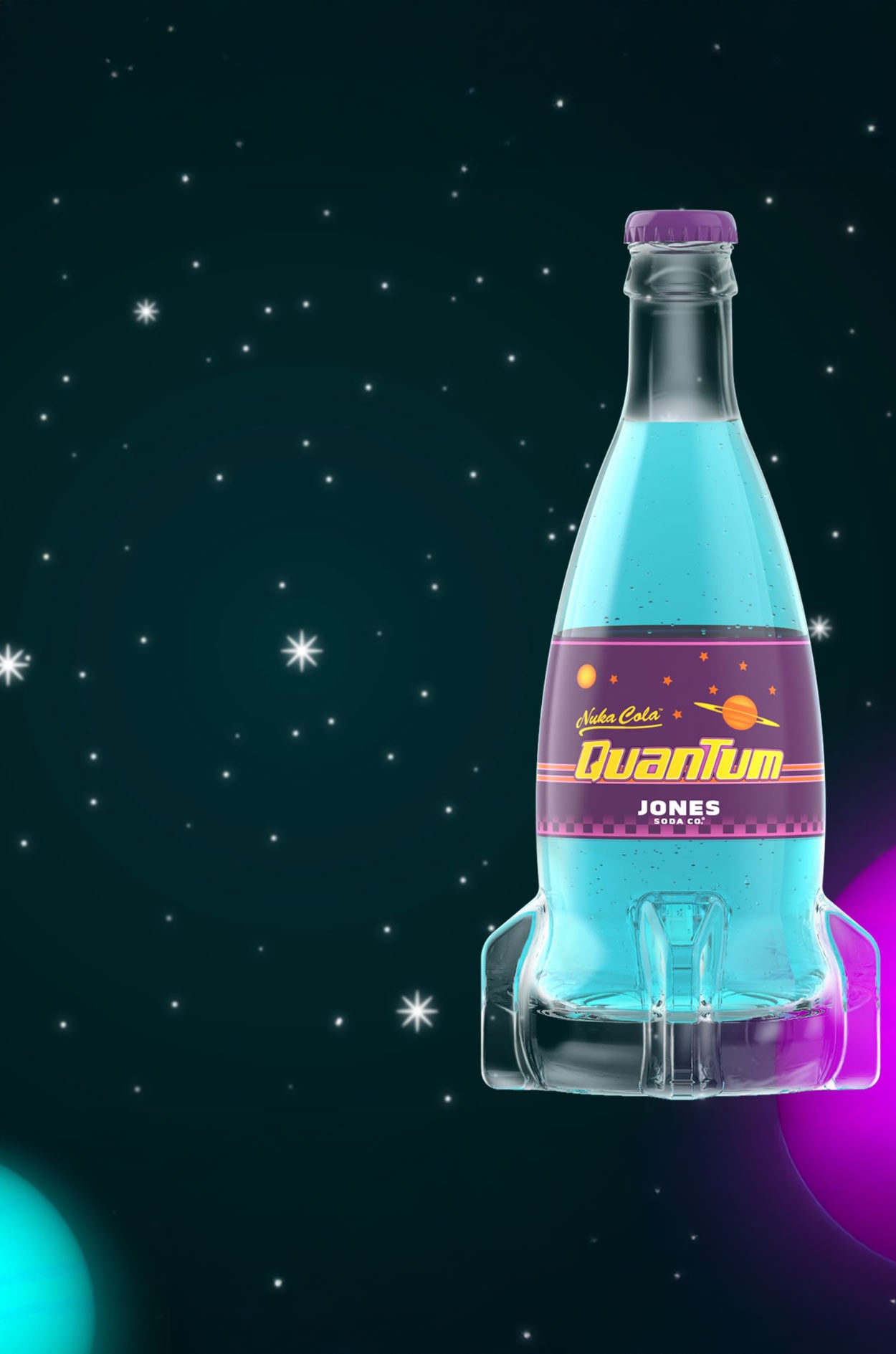
Beyond the Fallout franchise, which drove a second limited-edition sellout of Nuka Cola Quantum Rocket Bottles during the quarter, Jones Soda announced a new collaboration with Rap Snacks — billed as the Official Snack Brand of Hip Hop — to develop a line of hip-hop-inspired craft sodas. Revenue from that partnership is expected to begin contributing in fiscal 2027, extending the company's branded-collaboration pipeline beyond its current entertainment-IP strategy. The company also launched its Zero Sugar craft soda lineup into Western Canada club stores, broadening its better-for-you beverage presence in a distribution channel that has proved receptive to premium and licensed products. A limited-edition Crayola x Jones Soda back-to-school collection featuring a new Fruit Punch flavor rounds out recent retail activity.
Liquidity remained tight heading into the second half. Cash stood at $2.4 million as of June 30, down from $3.6 million at year-end 2025. Subsequent to quarter close, Jones Soda completed a brokered private placement and a non-brokered private placement for aggregate gross proceeds of approximately $1.9 million, providing incremental working capital to support ongoing operations and growth initiatives. For operators and retailers tracking the craft non-alcoholic beverage segment, Jones Soda's trajectory — doubling revenue while narrowing operating losses — illustrates both the commercial potential of IP-driven collaboration strategies and the margin headwinds that freight-cost inflation continues to impose across the craft beverage supply chain. Observers in the non-alcoholic beverage category will watch whether the Q3 shipment pull-through and new Zero Sugar shelf placements translate to sustained margin recovery.
Written by Michael Politz, Author of Guide to Restaurant Success: The Proven Process for Starting Any Restaurant Business From Scratch to Success (ISBN: 978-1-119-66896-1), Founder of Food & Beverage Magazine, the leading online magazine and resource in the industry. Designer of the Bluetooth logo and recognized in Entrepreneur Magazine's "Top 40 Under 40" for founding American Wholesale Floral, Politz is also the Co-founder of the Proof Awards and the CPG Awards and a partner in numerous consumer brands across the food and beverage sector.