Northern Wind, a leading direct off-loader and processor of premium sea scallops based in New Bedford, Massachusetts, recorded a 3x return on investment in the first year of deploying Kargo's AI-powered camera-tower system across its outbound dock doors — a result that underscores growing operator demand for real-time cold-chain visibility in perishable seafood logistics.
The Numbers
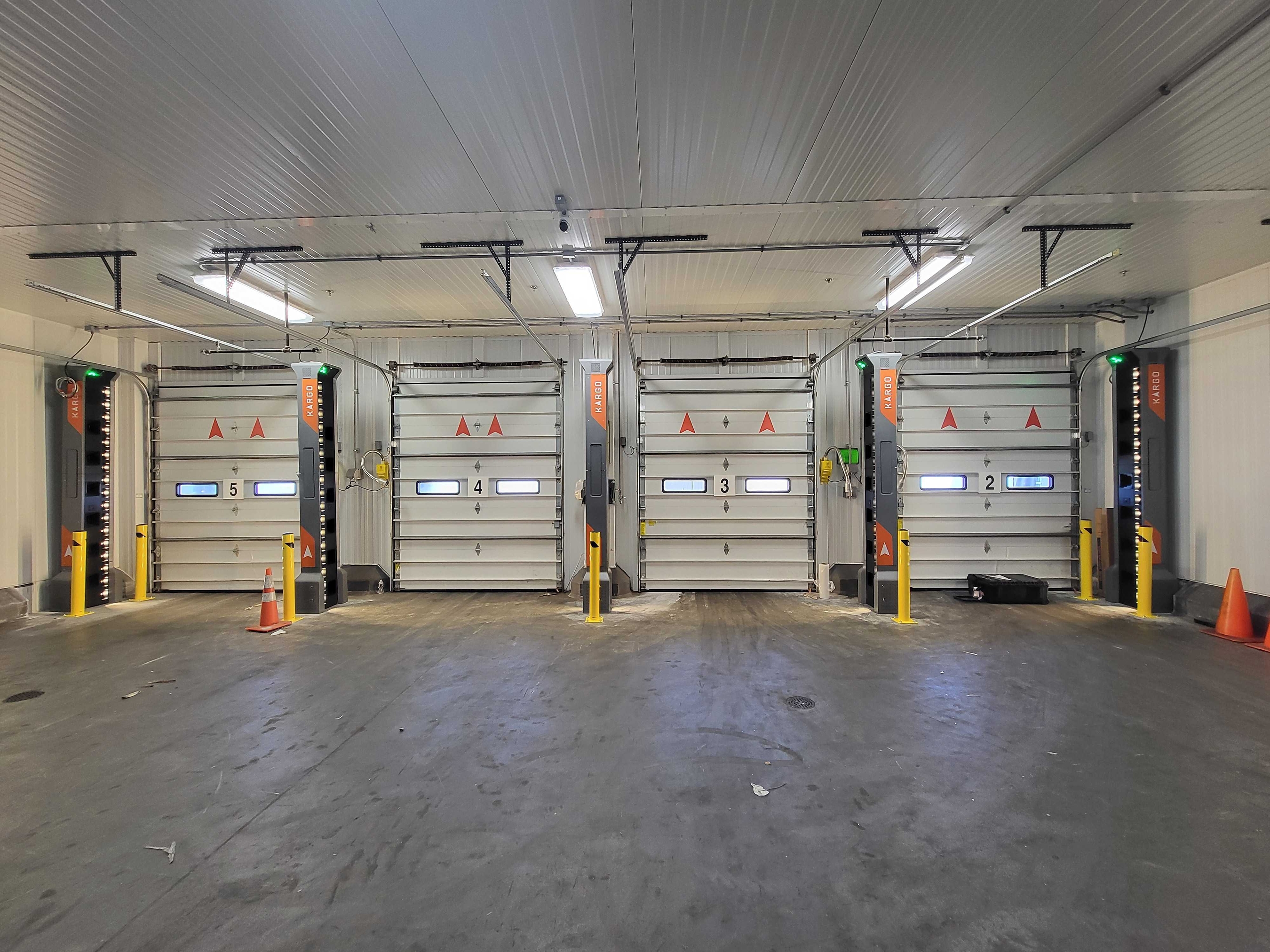
Four Kargo camera towers installed at Northern Wind's dock doors tracked 6,970 shipments and captured 917 damage exceptions over twelve months, generating $160,000 in documented savings. Each pallet of scallops, lobster and ahi tuna now passes through the towers before departure, creating a shareable visual record that the company uses to investigate freight claims and hold third-party logistics partners accountable. A single pallet can contain more than 100 cases, meaning errors in size, dimension or date-code data carry material financial exposure in a category where product value is high and shelf life is narrow.
Cold-Chain Stakes
Outbound shipping has historically been a blind spot in seafood cold-chain management. Manual documentation of pallet condition and date codes is both time-consuming and error-prone, and the problem compounds as product changes hands across multiple logistics nodes. Northern Wind's customers — major retailers and wholesale grocers — receive scallops and lobster sourced from packers in Asia, routed through the New Bedford facility and shipped onward to markets in the United States, the United Kingdom and Korea. Consistent date-code capture now allows the oldest product to be identified and prioritised for outbound shipment, a first-in, first-out discipline that reduces waste and supports retailer compliance requirements.
"Seafood is one of the most demanding categories in food logistics, and every handoff is an opportunity for something to go wrong," said Sam Lurye, Chief Executive Officer at Kargo. "By capturing a visual record of every pallet that leaves the dock, Kargo is helping Northern Wind bring a new level of accountability to the cold chain."
Joel Cancel, Vice President of Operations at Northern Wind, said the system provides "definitive proof that pallets leave our custody in great condition," enabling the company to resolve claims quickly and recover revenue that would otherwise be absorbed as shrink.
Expansion Plans
The New Bedford installation is a foundation, not a ceiling. Northern Wind plans to extend Kargo's footprint to additional inbound and outbound workflows, with automated Advance Shipping Notice generation — both for inter-plant transfers and for external customer shipments — targeted as the next phase. The move reflects a broader industry push toward automated supply-chain documentation as retail and foodservice buyers tighten traceability and food-safety requirements across perishable categories.
For food and beverage operators managing complex, multi-party cold chains, the Northern Wind case offers a data point on where computer-vision technology now sits in the ROI calculus. As cold-chain technology investment accelerates across grocery, foodservice distribution and direct-to-consumer channels, deployments like this are shifting from pilot curiosity to operational standard — particularly in high-value, high-spoilage segments such as fresh seafood. Kargo, founded in 2019 and headquartered in San Francisco, positions its platform as a universal interpreter between the physical movement of freight and the digital systems operators use to manage inventory.
Written by Michael Politz, Author of Guide to Restaurant Success: The Proven Process for Starting Any Restaurant Business From Scratch to Success (ISBN: 978-1-119-66896-1), Founder of Food & Beverage Magazine, the leading online magazine and resource in the industry. Designer of the Bluetooth logo and recognized in Entrepreneur Magazine's "Top 40 Under 40" for founding American Wholesale Floral, Politz is also the Co-founder of the Proof Awards and the CPG Awards and a partner in numerous consumer brands across the food and beverage sector.
Frequently Asked Questions
What ROI did Northern Wind achieve with Kargo's system?
Northern Wind generated a 3x return on investment in year one, with four camera towers tracking 6,970 shipments and capturing 917 damage exceptions that produced $160,000 in documented savings. That's a direct hit on freight claim recovery and logistics partner accountability.
How does real-time image capture reduce seafood waste?
Kargo's towers automatically record date codes on every pallet before it leaves the dock, enabling strict first-in, first-out rotation that identifies oldest product for priority shipment. For scallops and lobster with narrow shelf life windows, this discipline cuts waste and ensures retailer compliance without manual data entry.
Why is outbound shipping visibility critical in cold-chain seafood?
Manual pallet documentation is error-prone and creates blind spots as product moves through multiple logistics nodes—from New Bedford processors to retailers and grocers across the U.S., U.K., and Korea. A single misdocumented pallet containing 100+ cases of high-value scallops or ahi tuna can cost thousands in disputes and chargebacks.
What types of damage exceptions did Kargo detect?
Over twelve months, the system captured 917 exceptions across 6,970 shipments—flagging issues like incorrect pallet dimensions, missing or wrong date codes, and condition problems that Northern Wind now uses to investigate freight claims and hold logistics partners accountable.
Which customers benefit from Northern Wind's improved cold-chain data?
Major retailers and wholesale grocers receive consistent, shareable visual records of product condition and date codes, reducing dispute resolution time and enabling them to meet their own compliance requirements for high-value perishables sourced globally.