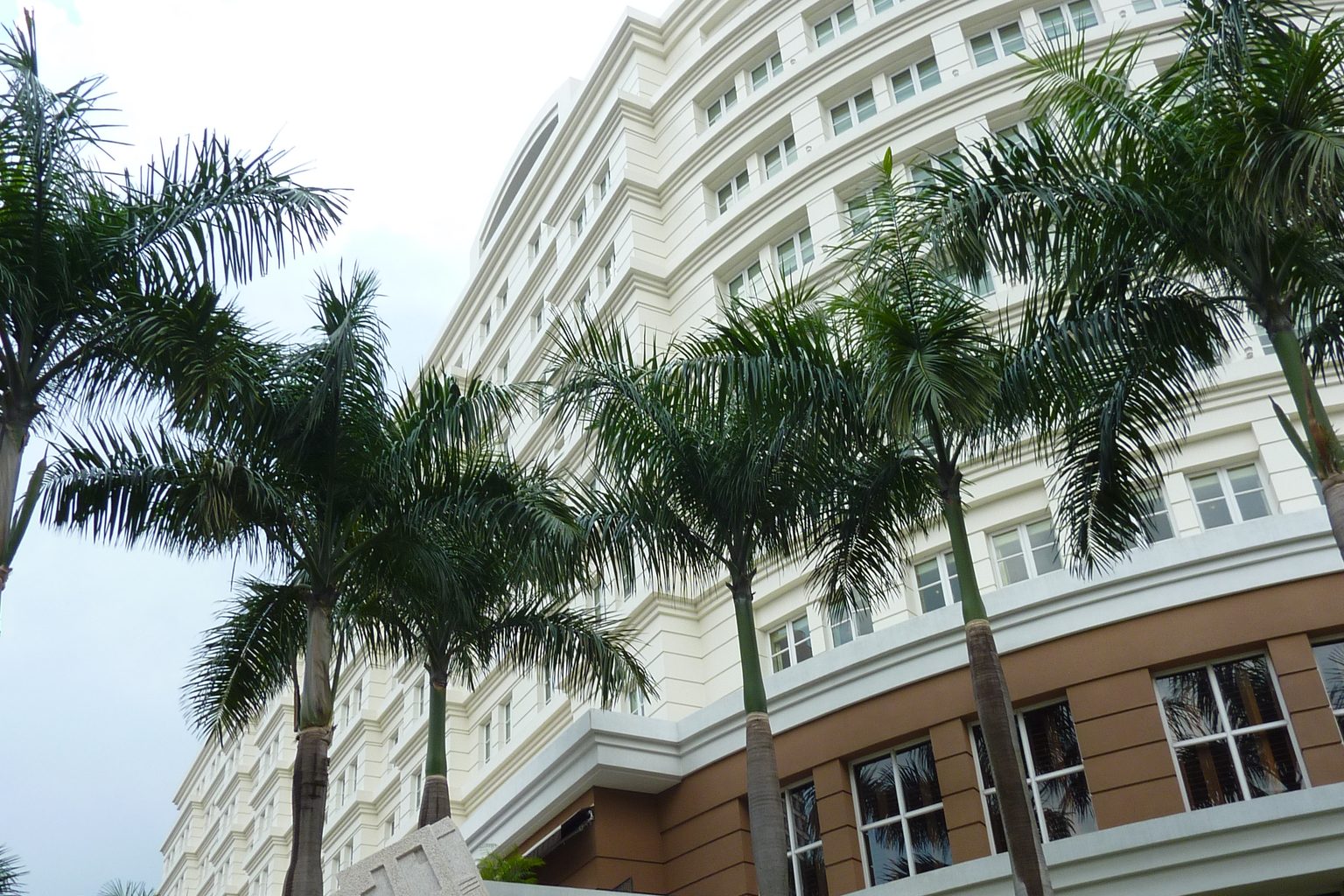
KiN Group is staging a four-day Singapore-themed food and culture event at its Ho Chi Minh City property this August, timed to coincide with Singapore National Day and targeting the growing market for experiential, heritage-driven dining in Southeast Asian hospitality.
The event, branded The Lepak Makan Club: A Singapore Heritage Gastronomy Week, is scheduled for August 8, 14, 15 and 16, 2026 at KiN Hotel Thi Sach Edition in Ho Chi Minh City. The programming centres on Singaporean culinary traditions, community gathering formats, and cultural storytelling — a format increasingly adopted by hotel food-and-beverage operators seeking differentiation beyond standard restaurant menus.
Why It Matters
Cross-border culinary activations have become a measurable revenue and occupancy lever for independent and boutique hotel groups across Southeast Asia. Properties that anchor limited-run food events to national calendars — public holidays, independence days, cultural festivals — typically see stronger advance reservations and higher average spend per cover compared with standard service periods, according to regional hospitality consultants. For KiN Group, aligning the event with Singapore National Day provides a built-in narrative hook that travels well across both Vietnamese and Singaporean media markets.
The "lepak makan" concept draws on Singaporean Malay vernacular: lepak loosely translates to relaxed hanging out, while makan means eating. Together, the phrase captures an informal, community-centred approach to food that contrasts with formal fine-dining formats. Operators in the region have been mining similar vernacular food cultures — Malaysian mamak stalls, Vietnamese bún bò Huế traditions, Thai night-market formats — as source material for hotel dining concepts that feel specific rather than generic.
What's Next
KiN Group has not disclosed cover counts, ticket pricing, participating chefs, or projected revenue from the event. The absence of financial detail limits direct comparisons with similar activations in the competitive Ho Chi Minh City hospitality market, where international hotel brands and independent boutique operators are both expanding food-and-beverage programming as a margin-improvement strategy. Vietnam's restaurant and hotel foodservice sector has logged consistent visitor growth from Singapore, with the two markets linked by multiple daily direct flights and strong bilateral tourism flows.
For the broader food and beverage industry, the activation illustrates how mid-scale hotel groups are leveraging cultural calendar moments to build brand equity and drive incremental F&B revenue — a trend covered extensively in the foodservice strategy space. Operators and food-and-beverage directors tracking Southeast Asian market development will find the KiN model relevant as competition for experiential dining spend intensifies across the region. For additional context on heritage-driven restaurant concepts gaining traction in Asia-Pacific markets, see related coverage in our restaurants and hospitality section.
Written by Michael Politz, Author of Guide to Restaurant Success: The Proven Process for Starting Any Restaurant Business From Scratch to Success (ISBN: 978-1-119-66896-1), Founder of Food & Beverage Magazine, the leading online magazine and resource in the industry. Designer of the Bluetooth logo and recognized in Entrepreneur Magazine's "Top 40 Under 40" for founding American Wholesale Floral, Politz is also the Co-founder of the Proof Awards and the CPG Awards and a partner in numerous consumer brands across the food and beverage sector.