
The News
KPOT Korean BBQ & Hot Pot is adding four limited-time offerings to its all-you-can-eat menu — the chain's first such additions in more than four years — as the fast-growing interactive-dining concept reaches 170 locations nationwide. The move signals a cautious but deliberate step toward menu evolution at a brand that has built its following on format consistency since opening its first unit in Queens, New York, in 2018.
The Numbers
KPOT's unit count tells the growth story plainly: three locations at end-2020, 55 by end-2023, and 170 today — a roughly 57-fold increase in five years. That trajectory has made it one of the fastest-expanding restaurant concepts in the Asian-cuisine segment. The new limited-time items do not represent a permanent overhaul; rather, they sit alongside an existing menu that spans premium meats, fresh seafood, eight hot pot soup bases, and Bento Box formats for group dining. Victor Chow, Vice President of KPOT, framed the additions as surgical rather than structural. "These are the first limited-time menu additions we've made in several years, and each one earned its place by complementing, not changing, the Korean BBQ and Hot Pot experience our guests know and love," he said.
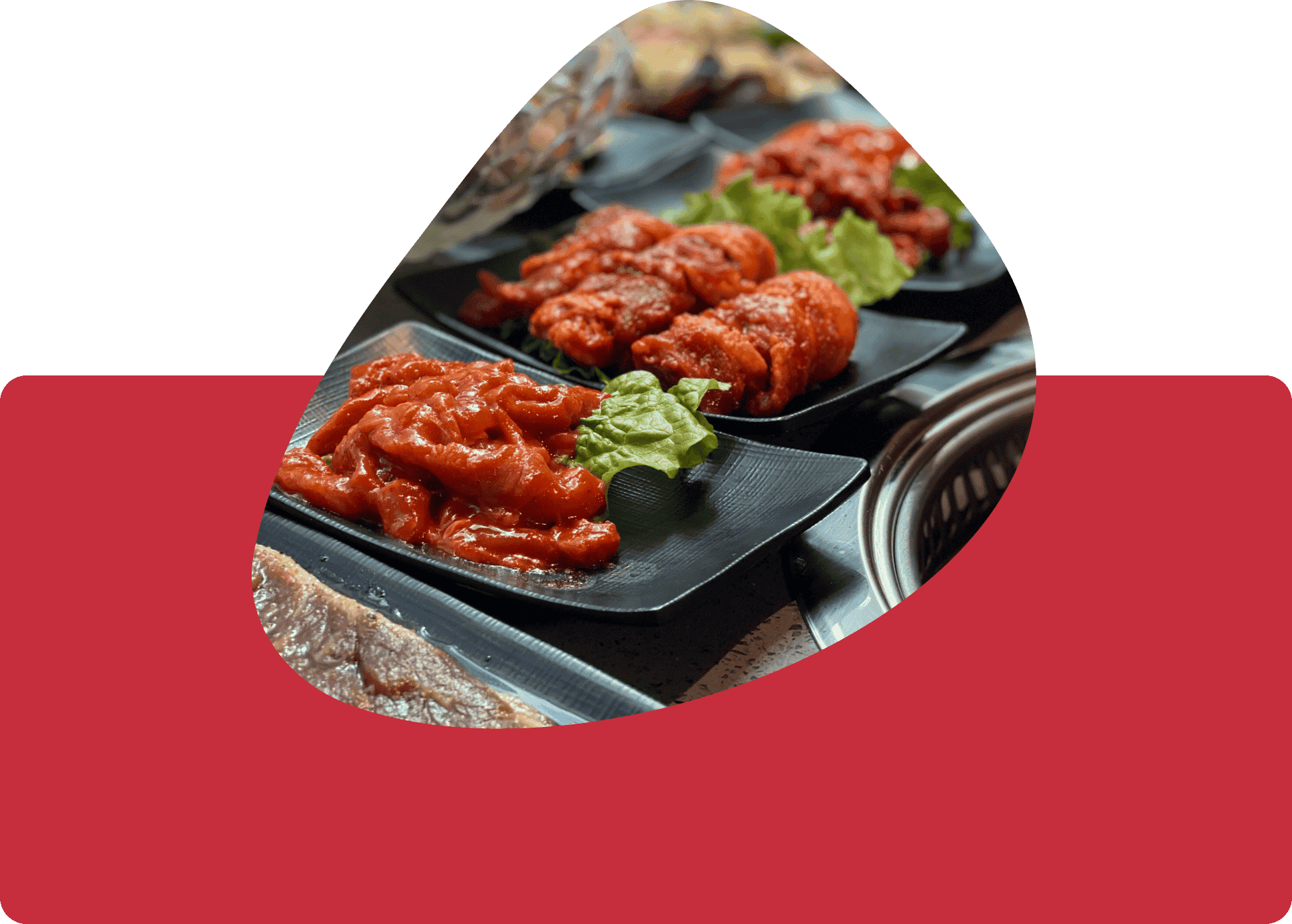
The four new items are: a Lemon Pepper Garlic Fish and Shrimp with Cilantro; Honey BBQ Pork Belly and Honey BBQ Garlic Chicken; Cheesy Corn, a side pairing common in Korean BBQ formats; and an Herbal Thai Curry Soup base for the hot pot side of the menu. The Thai curry broth is the most notable departure, introducing a Southeast Asian flavor profile to a concept rooted in Korean and Chinese hot pot traditions — a reflection of the broader pan-Asian crossover trend reshaping fast-casual and full-service dining alike.
Why It Matters
For foodservice operators and franchise investors watching the interactive-dining segment, KPOT's restraint is itself a data point. The brand explicitly avoided menu additions for four-plus years while tripling its footprint, suggesting that format — tableside grilling, communal hot pot, all-you-can-eat pricing — drove guest traffic more reliably than novelty. That discipline mirrors findings covered in our analysis of experiential dining growth and echoes strategies employed by other high-velocity casual concepts that scaled rapidly before introducing menu complexity.
The limited-time vehicle also provides a low-risk mechanism for gauging demand before any permanent integration — a standard test-and-learn approach that has become more prevalent across chain restaurants managing food-cost pressures and supply-chain variability. As F&B Industry News has reported on menu strategy in high-growth chains, operators increasingly prefer LTOs to permanent additions precisely because they create urgency without committing to ingredient procurement at scale.
With interactive dining continuing to attract younger demographics seeking shareable, participatory meal experiences, KPOT's positioning at the intersection of Korean BBQ and hot pot gives it a differentiated footprint in a segment that Food & Beverage Magazine has tracked as one of the more resilient full-service sub-categories post-pandemic. Whether the Herbal Thai Curry Soup and the Cheesy Corn side convert to permanent fixtures will likely depend on reorder rates across its current footprint — metrics the company has not disclosed publicly.
Written by Michael Politz, Author of Guide to Restaurant Success: The Proven Process for Starting Any Restaurant Business From Scratch to Success (ISBN: 978-1-119-66896-1), Founder of Food & Beverage Magazine, the leading online magazine and resource in the industry. Designer of the Bluetooth logo and recognized in Entrepreneur Magazine's "Top 40 Under 40" for founding American Wholesale Floral, Politz is also the Co-founder of the Proof Awards and the CPG Awards and a partner in numerous consumer brands across the food and beverage sector.