MANE, the French flavour and fragrance group, has acquired an exclusive global licence to produce and commercialise ViaLeaf™ Reb M, a next-generation steviol glycoside developed by Seattle-based protein-design firm Arzeda, the companies announced on 16 July 2026. The agreement extends an existing strategic partnership and consolidates the entire Reb M value chain — from enzymatic production through to customer-facing commercialisation — under a single operator for the first time.
The Technology
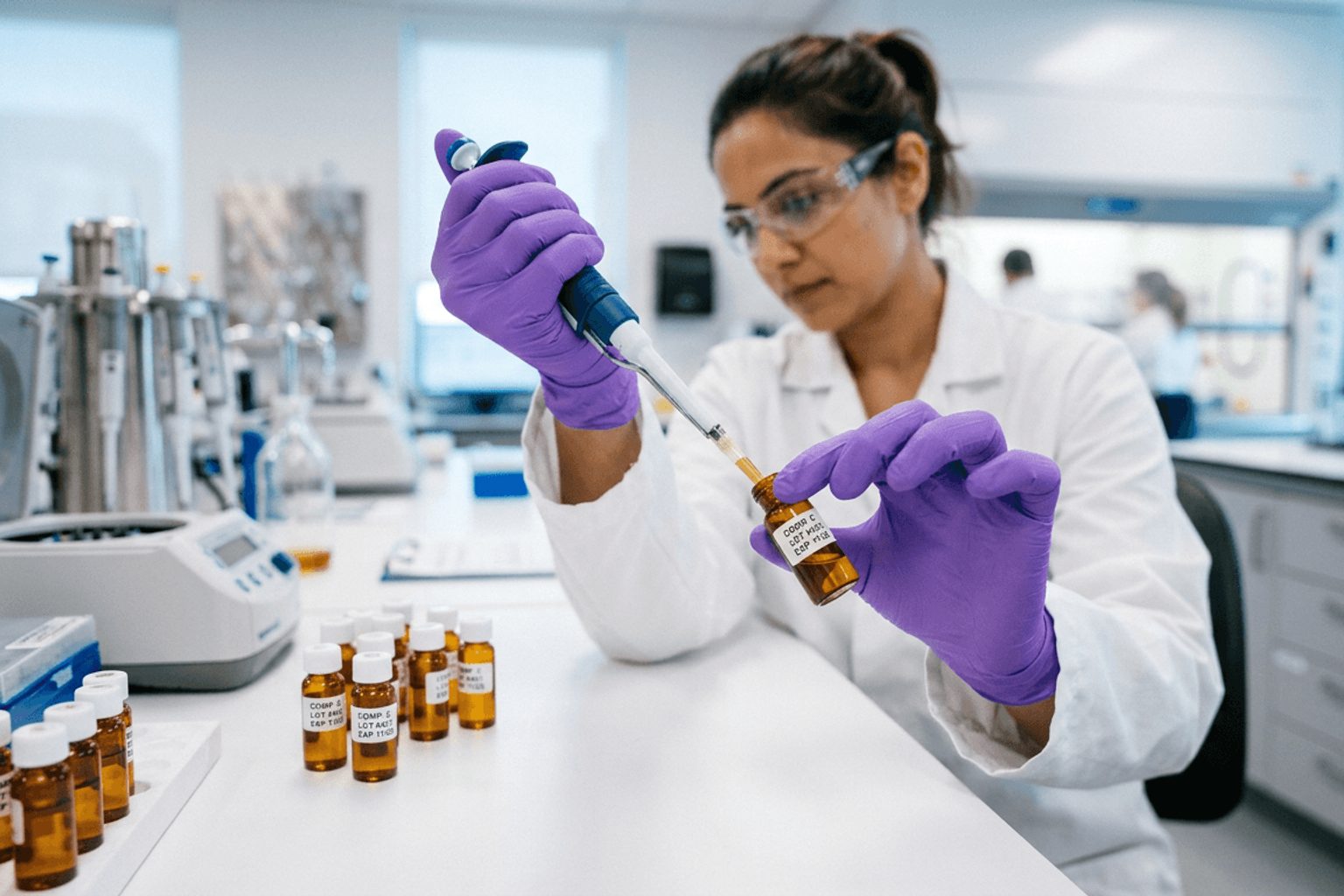
ViaLeaf™ Reb M is produced using a process built on Nobel Prize-winning protein-design science, applied by Arzeda's AI-driven enzyme engineering platform. Rebaudioside M is widely regarded as the most taste-equivalent of the steviol glycosides, delivering sweetness with minimal bitterness — a profile that has made it a priority ingredient for food and beverage manufacturers seeking to cut added sugar without sacrificing consumer acceptance. Biosynthetic routes to Reb M, which bypass the low natural abundance of the compound in the stevia leaf, have become a key battleground in the alternative-sweetener segment.
Strategic Logic
For MANE, the licence transforms what was a supply-side collaboration into a vertically integrated business unit. The company can now manage fermentation or enzymatic production, quality control, regulatory dossiers, and direct sales to food, beverage, and foodservice customers across every major market — a structure that compresses lead times and strengthens margin capture relative to a tolling or distribution arrangement. The deal also reinforces MANE's broader push into functional and better-for-you ingredient solutions, a category where flavour houses have increasingly competed with dedicated ingredient suppliers.
For Arzeda, the arrangement accelerates commercialisation of its core intellectual property without the capital requirements of building out a global sales and manufacturing infrastructure. The Seattle firm retains its identity as a protein-design innovator while MANE assumes the market-facing risk and investment.
Market Context
Demand for high-purity Reb M has grown sharply as beverage and packaged-food brands face regulatory and consumer pressure to reduce sugar content. The global stevia market is projected to sustain mid-single-digit annual growth through the end of the decade, with biosynthetic and bioconversion-derived Reb M increasingly displacing leaf-extraction methods on both cost and consistency grounds. Competitors including Cargill, PureCircle (now part of IFF's Health & Biosciences division), and Sweegen have staked out positions in the biosynthetic sweetener space, making MANE's move into full vertical integration a direct competitive response.
Food and beverage manufacturers evaluating sugar-reduction ingredient sourcing will now encounter MANE as a single-source provider for ViaLeaf™ Reb M rather than a go-between. That positioning could prove particularly valuable in foodservice and beverage-manufacturing procurement, where supply consistency and technical support from a single vendor simplify reformulation programmes. Coverage of broader alternative-sweetener category dynamics has been tracked by Food & Beverage Magazine as brand owners accelerate clean-label and reduced-sugar product pipelines.
Written by Michael Politz, Author of Guide to Restaurant Success: The Proven Process for Starting Any Restaurant Business From Scratch to Success (ISBN: 978-1-119-66896-1), Founder of Food & Beverage Magazine, the leading online magazine and resource in the industry. Designer of the Bluetooth logo and recognized in Entrepreneur Magazine's "Top 40 Under 40" for founding American Wholesale Floral, Politz is also the Co-founder of the Proof Awards and the CPG Awards and a partner in numerous consumer brands across the food and beverage sector.