Marriott International (Nasdaq: MAR) is leaning into food-and-beverage programming as a commercial lever for its Caribbean and Latin America luxury portfolio, rolling out a slate of chef-led dinners, culinary rituals, and cultural food experiences designed to extend guest stays and deepen per-visit spend across brands including Ritz-Carlton Reserve, St. Regis, W Hotels, and the Luxury Collection.
The push is underpinned by a promotional incentive: the company's Grand Getaways offer provides up to 10% off premium rooms on minimum two-night bookings at participating properties, a rate structure that ties culinary programming directly to incremental room-night revenue.
F&B as Destination Anchor
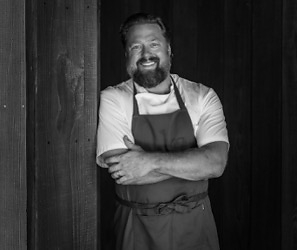
The most commercially significant F&B activation in the pipeline is a three-day Food & Wine Experience at Salterra, a Luxury Collection Resort & Spa in South Caicos, scheduled for November and headlined by Chef Adrian Forte. The event includes a cookout on a secluded cay, beachside programming, and a chef-led dinner spotlighting Caribbean-inspired cuisine. The format — a multi-day, ticketed culinary event at a remote island property — mirrors a strategy deployed successfully by operators including Four Seasons and Auberge Resorts to convert shoulder-season inventory into premium-priced experiential packages.
At The Ritz-Carlton, Grand Cayman, Marriott is leveraging its existing partnership with chef Eric Ripert to offer private culinary immersions at Blue by Eric Ripert, where guests work alongside the kitchen team. The activation functions as both a retention tool for Marriott Bonvoy loyalty members and a high-margin upsell over standard dining. The property pairs that offering with Jean-Michel Cousteau's Ambassadors of the Environment program, bundling conservation and culinary storytelling into a single guest itinerary — a combination increasingly favored by luxury operators targeting high-net-worth travelers who respond to purpose-driven programming.
Rituals, Cocktails, and Beverage Theatre
On the beverage side, Marriott is capitalizing on what the company describes as the emerging trend of "dusking" — structured evening rituals that monetize the sunset hour through curated drink and entertainment programming. The St. Regis Costa Mujeres Resort in Cancún, which opened recently, anchors this segment with its daily Champagne Sabrage Ritual, a brand signature that commands a premium over standard beverage service and creates a repeatable, revenue-generating moment.
W Punta de Mita on Mexico's Pacific coast has institutionalized the format with a weekly Golden Hour at its Living Room Bar, extending the revenue window from cocktail hour into late-night spend at the WET Deck. Adjacent programming at the property's AWAY Spa — sound healing, cacao ceremonies, and outdoor hydrotherapy — adds a wellness-monetization layer on top of food-and-beverage revenue. Solaz, a Luxury Collection Resort in Los Cabos, runs monthly Jazz & Wine events on Baja Beach and daily programming including Café de Olla tastings, tortilla lessons, and make-your-own cocktail classes, effectively converting cultural food content into a structured ancillary revenue stream.
Supply Chain and Cultural Sourcing
Several properties embed indigenous ingredient sourcing into their F&B identity, a positioning that carries both marketing value and supply-chain implications. The Ritz-Carlton Mexico City features a Cacao Ceremony rooted in ancient Mesoamerican tradition alongside spa treatments using indigenous ingredients. Siari Riviera Nayarit, a Ritz-Carlton Reserve that debuted in November 2025, builds its cuisine around Mexico's culinary heritage and draws on the Huichol community's cultural traditions — an approach that positions local sourcing as a brand differentiator rather than a cost variable.
For foodservice operators and ingredient suppliers active in the Caribbean and Latin America, Marriott's expanded culinary programming signals sustained procurement demand for locally sourced, culturally specific ingredients across a portfolio that spans more than 560 luxury properties in over 70 countries. Operators tracking luxury hospitality F&B trends and resort dining revenue strategies will find Marriott's Caribbean push a useful benchmark for how major hotel groups are structuring experiential F&B to drive measurable stay-length and per-guest revenue outcomes.
Written by Michael Politz, Author of Guide to Restaurant Success: The Proven Process for Starting Any Restaurant Business From Scratch to Success (ISBN: 978-1-119-66896-1), Founder of Food & Beverage Magazine, the leading online magazine and resource in the industry. Designer of the Bluetooth logo and recognized in Entrepreneur Magazine's "Top 40 Under 40" for founding American Wholesale Floral, Politz is also the Co-founder of the Proof Awards and the CPG Awards and a partner in numerous consumer brands across the food and beverage sector.