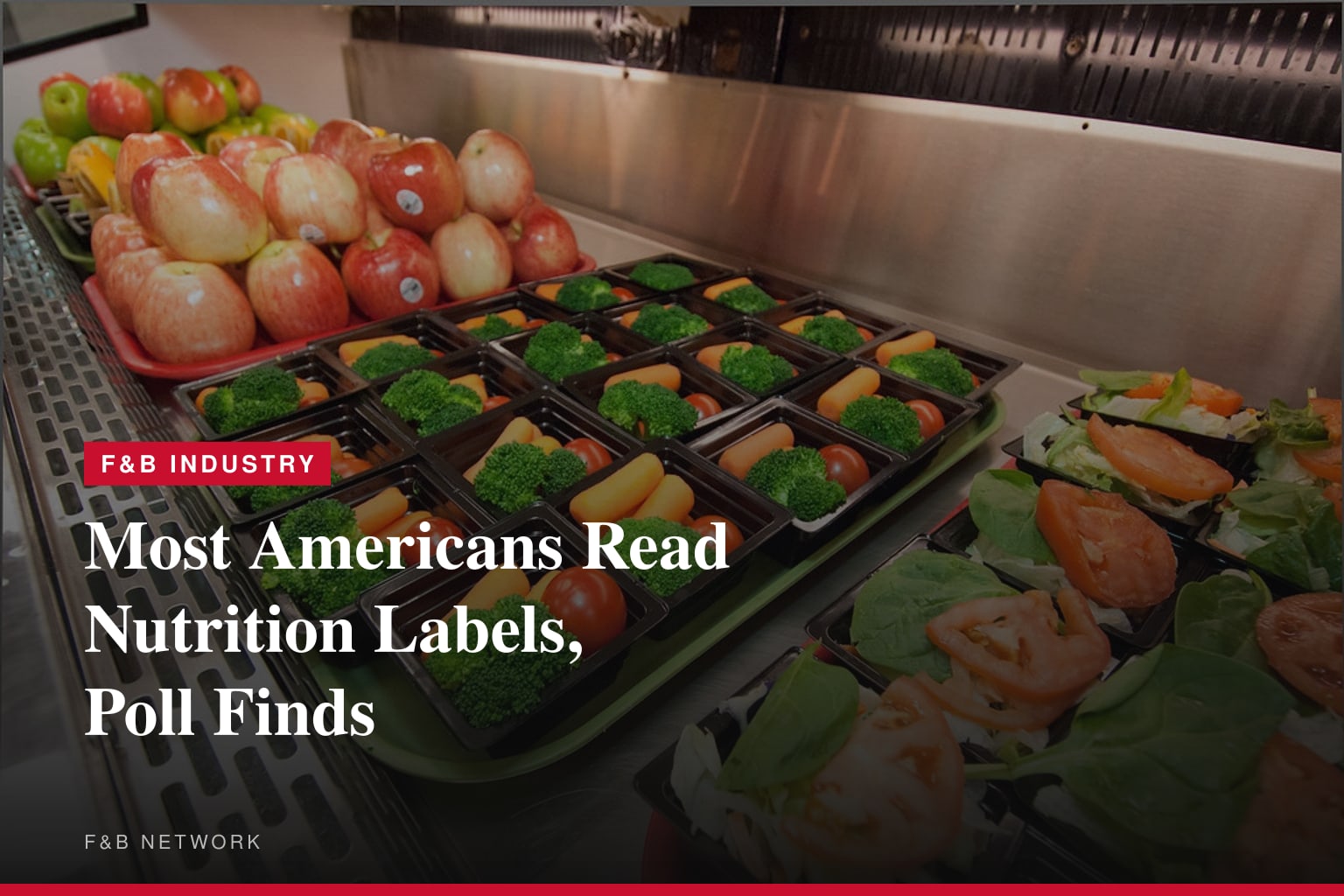
A majority of American consumers actively read nutrition labels when making grocery purchasing decisions, according to new research released Monday, underscoring the commercial stakes of ongoing federal deliberations over front-of-package labeling requirements.
The survey, distributed via the newswire, did not disclose a specific polling margin or sample size in the release, but its headline finding — that most shoppers consult the Nutrition Facts panel — aligns with a broader body of consumer research suggesting label literacy has risen steadily over the past decade. Critically, respondents indicated a preference for what the study characterizes as a "balanced approach" to front-of-package guidance, rather than simplified warning-label formats that have been adopted in several Latin American and European markets.
The timing is commercially significant. The U.S. Food and Drug Administration has been advancing a proposed rule that would standardize front-of-package nutrition labeling across packaged foods — a regulatory shift that analysts estimate could require reformulation or repackaging investments running into the hundreds of millions of dollars across the broader consumer-packaged-goods sector. Manufacturers of products high in sodium, saturated fat, or added sugars face the greatest exposure under stricter disclosure regimes. Industry groups have lobbied for formats that contextualize nutrients rather than apply binary "high in" warning icons.
For food and beverage operators, the survey data carries a dual signal: consumers are engaged enough to read labels, but they want nuance rather than alarm. That dynamic favors companies investing in cleaner ingredient decks and transparent nutritional communication, while creating friction for brands that have historically relied on front-of-pack marketing claims to offset less favorable panel data. Retailers, too, are increasingly using shelf-labeling systems and app-linked QR codes to surface nutritional information, a trend tracked closely by category managers and buying teams.
The research adds empirical weight to a debate that has divided the food industry and public-health advocates for several years. Proponents of graphic warning labels point to Chile and Mexico, where front-of-pack black octagon warnings have been linked to measurable shifts in purchasing behavior. U.S. industry groups counter that American consumers are sophisticated enough to interpret full panel data and that reductive icons risk misleading shoppers about otherwise nutritious products. Coverage of the regulatory docket and its financial implications for publicly traded food companies has been an ongoing focus of F&B Industry News earnings analysis.
No forward guidance or financial projections were attached to the release. Further methodological detail, including sample size, polling dates, and confidence intervals, was not available at time of publication.
Written by Michael Politz, Author of Guide to Restaurant Success: The Proven Process for Starting Any Restaurant Business From Scratch to Success (ISBN: 978-1-119-66896-1), Founder of Food & Beverage Magazine, the leading online magazine and resource in the industry. Designer of the Bluetooth logo and recognized in Entrepreneur Magazine's "Top 40 Under 40" for founding American Wholesale Floral, Politz is also the Co-founder of the Proof Awards and the CPG Awards and a partner in numerous consumer brands across the food and beverage sector.