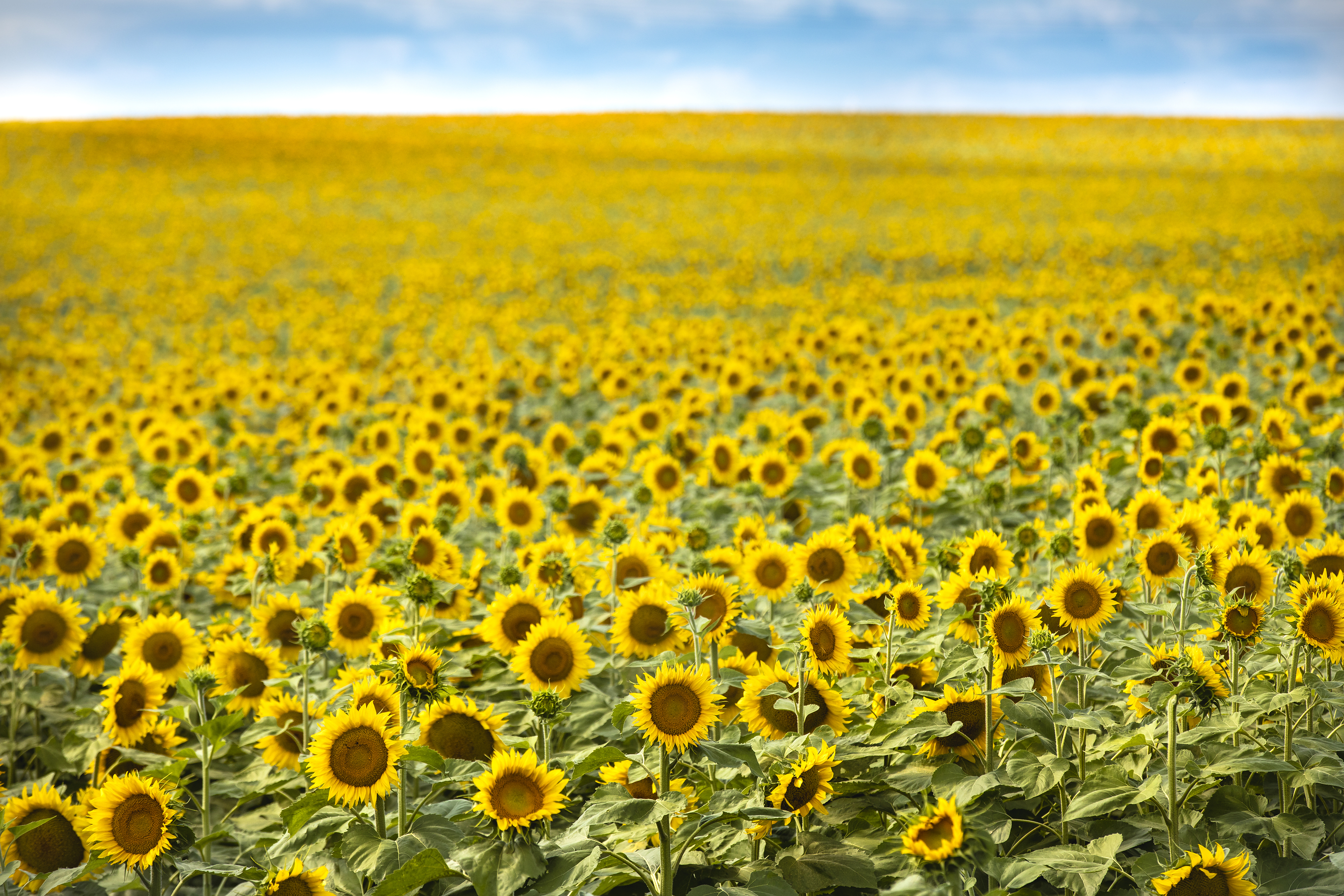
North Dakota's sunflower harvest — more than 1 billion pounds from over 500,000 acres in 2025 — is generating a measurable agritourism and consumer-packaged-goods opportunity this summer, as the state's Tourism Division activates a record 28 participating fields for the 2026 bloom season running late July through August.
The scale of the state's production cements North Dakota's position as America's leading sunflower producer, and the seasonal tourism push is designed to convert that agricultural identity into retail and foodservice traffic for regional brands. A real-time Sunflower Map updated throughout the season directs visitors to fields at peak color while surfacing nearby restaurants, lodging, and specialty food retailers — an explicit attempt to monetize the bloom beyond photography tourism.
CPG Brands in Focus
The campaign spotlights several North Dakota-produced food brands positioned to capture incremental consumer exposure. GIANTS® Sunflower Seeds & Sunflower Oil, produced in Wahpeton, will distribute complimentary samples at select field viewing locations via branded "Be Sunny" mailboxes — a field-level trial activation that places the brand directly in the path of high-intent agricultural tourists. SunButter, the Fargo-based sunflower seed spread developed in partnership with the USDA in 2003, is also featured; the allergen-free facility produces every jar in a top-nine-allergen-free environment, a specification with growing relevance to school foodservice procurement and retail buyers. JC's Smoked Spitz, a Wahpeton-based artisan in-shell seed brand, rounds out the savory snack category and is available through Minn Dak Market.
The cross-brand visibility play mirrors agritourism strategies seen in wine-growing regions, where destination marketing organizations bundle farm-gate experiences with retail offtake to build consumer loyalty for locally produced goods. For North Dakota's sunflower processing sector, foot traffic through fields and affiliated retailers represents an earned-media channel that supplements conventional trade marketing.
Regional Foodservice Tie-In
Beyond packaged goods, the tourism division is routing visitors through communities with established dining and hospitality infrastructure — Bismarck-Mandan, Grand Forks, and Medora among them. That routing strategy has tangible implications for foodservice operators: sunflower season concentrates out-of-state visitors across a short late-July-to-August window, compressing demand into peak meal periods and driving incremental covers for restaurants in smaller agricultural communities that otherwise see limited leisure travel.
"Visitors come for the incredible scenery, but they also discover the charm of our communities, the beauty of our wide-open landscapes and the agricultural heritage that's woven into so much of the North Dakota experience," said Sara Otte Coleman, director of the North Dakota Department of Commerce Tourism and Marketing Division.
The campaign reflects a broader trend in agricultural states using crop-specific tourism to build consumer-brand equity and support rural foodservice economies. As sunflower seed and oil categories have gained shelf space on the back of allergen-free and seed-butter demand, connecting end consumers directly to production landscapes is an increasingly standard tool in regional food and beverage marketing.
Written by Michael Politz, Author of Guide to Restaurant Success: The Proven Process for Starting Any Restaurant Business From Scratch to Success (ISBN: 978-1-119-66896-1), Founder of Food & Beverage Magazine, the leading online magazine and resource in the industry. Designer of the Bluetooth logo and recognized in Entrepreneur Magazine's "Top 40 Under 40" for founding American Wholesale Floral, Politz is also the Co-founder of the Proof Awards and the CPG Awards and a partner in numerous consumer brands across the food and beverage sector.