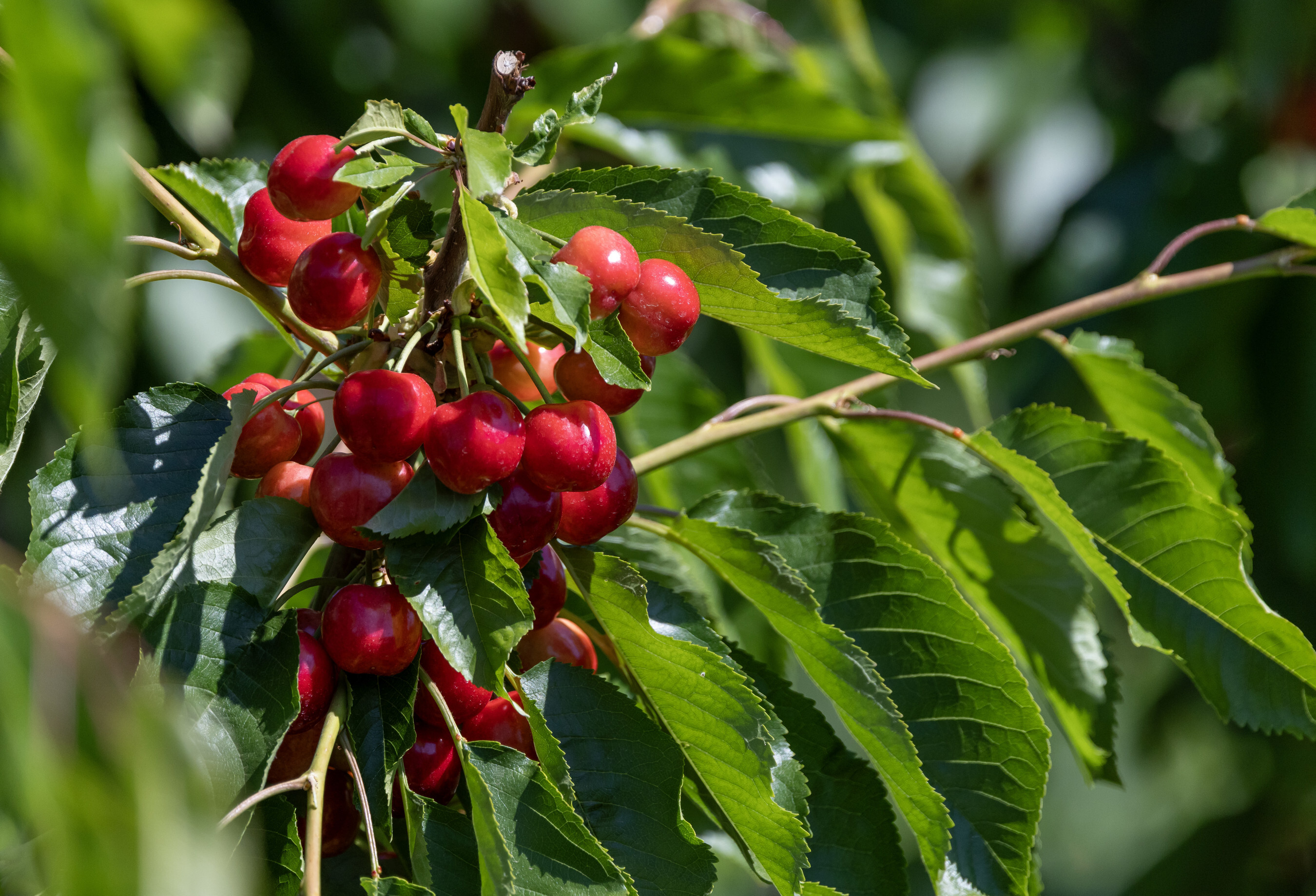
Northwest Cherry Growers said fresh sweet cherries from its five-state growing region are arriving in grocery stores by early June 2026, earlier than typical seasonal timelines, after a mild winter and warm spring accelerated orchard development across the Pacific Northwest.
The grower cooperative, headquartered in Yakima, Wash., said harvest crews are already active in orchards, with high-quality fruit ripening ahead of schedule. The organization did not disclose volume projections or pricing benchmarks for the 2026 crop, but the early-season start signals strong initial supply availability for retailers and foodservice operators looking to capitalize on peak summer demand.
The Northwest cherry season is structurally brief — typically spanning six to eight weeks — making timing of arrivals a critical variable for buyers and category managers. An early open does not necessarily extend the back end of the season, meaning procurement windows remain compressed even in favorable years. Retailers sourcing Bing and Rainier varieties, the two flagship commercial cultivars from the region, will face the familiar calculus of locking in volume early against uncertain late-season supply.
The five-state growing region — Washington, Oregon, Idaho, Montana, and Utah — accounts for the majority of U.S. fresh sweet cherry production. Washington state alone historically contributes roughly 60% of the national crop, making weather patterns in the Yakima Valley and surrounding areas a leading indicator for domestic cherry markets each summer. The category has faced margin pressure in recent seasons from elevated cold-chain and labor costs, factors that have made early, efficient harvests commercially valuable for growers and shippers alike. Industry observers tracking fresh produce supply chains have noted that accelerated harvest calendars can ease per-unit logistics costs when picking and packing align with favorable weather windows.
For grocery retailers, an early June shelf date for premium stone fruit presents a merchandising opportunity ahead of the Independence Day demand spike, historically one of the strongest selling periods for the category. Buyers at chains that have invested in seasonal produce promotional strategies typically benefit from first-mover positioning when harvest timing runs ahead of consumer expectations.
Northwest Cherry Growers did not provide a formal crop estimate or price guidance in its announcement. Further volume and quality data are expected as harvest progresses through June.
Written by Michael Politz, Author of Guide to Restaurant Success: The Proven Process for Starting Any Restaurant Business From Scratch to Success (ISBN: 978-1-119-66896-1), Founder of Food & Beverage Magazine, the leading online magazine and resource in the industry. Designer of the Bluetooth logo and recognized in Entrepreneur Magazine's "Top 40 Under 40" for founding American Wholesale Floral, Politz is also the Co-founder of the Proof Awards and the CPG Awards and a partner in numerous consumer brands across the food and beverage sector.