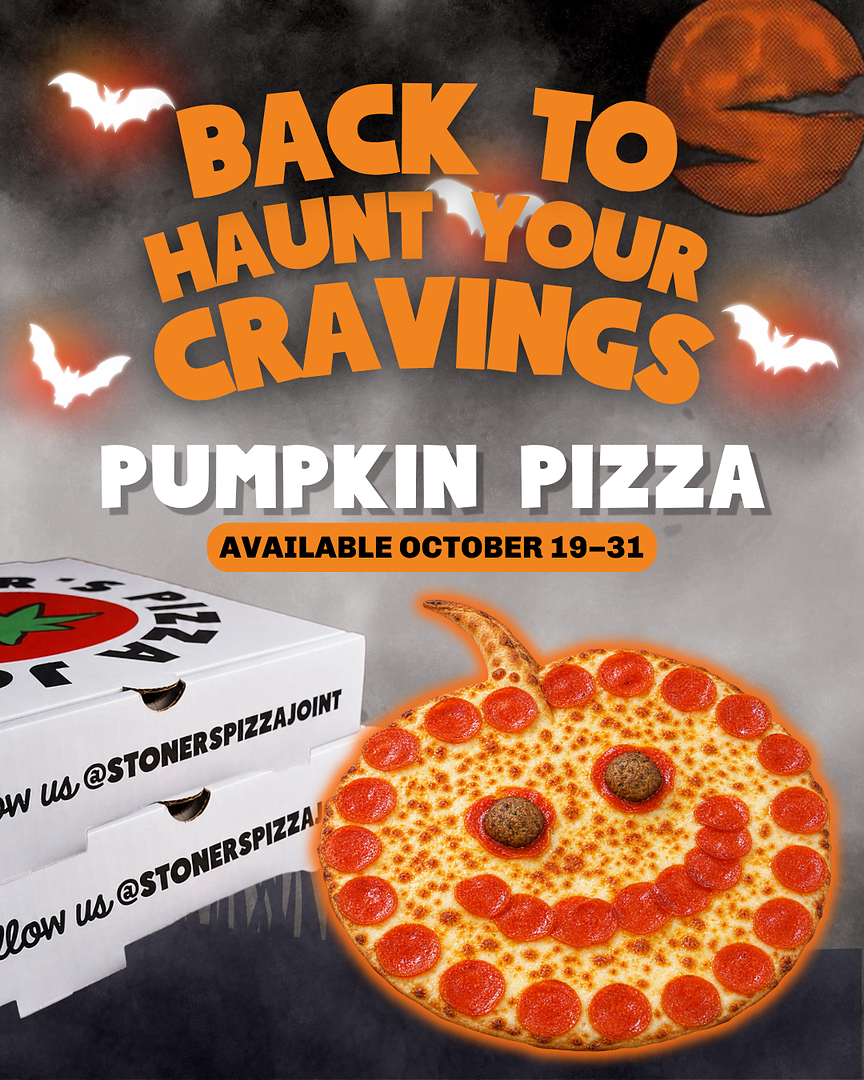
Papa Johns Canada is returning its Jack-o'-Lantern Pizza for the Halloween season, a limited-time offering built around a pumpkin-shaped crust dressed with a pepperoni smile and olive eyes — a format the chain has deployed in prior years to drive seasonal traffic.
The promotion fits a well-worn playbook in the pizza and broader quick-service restaurant sector: limited-time, visually distinctive seasonal items that generate social sharing and repeat visits during high-traffic holiday windows. Halloween has become one of the most commercially active food-and-beverage promotional periods of the year, sitting behind only Christmas and Thanksgiving in terms of LTO activity among North American QSR operators.
Seasonal LTO Dynamics
For pizza chains specifically, Halloween presents a structural opportunity. The holiday falls on a Friday or weekend in many years and is associated with group gatherings, both of which correlate with incremental pizza orders. Limited-time formats with a strong visual identity — particularly those that photograph well for social media — have shown measurable lifts in order volume for operators who execute them consistently, according to foodservice trend tracking by industry analysts.
Papa Johns has leaned into Canada as a testing and activation market for seasonal formats, and the Jack-o'-Lantern Pizza's return signals the chain views the concept as a reliable annual driver rather than a one-off stunt. Consistency in seasonal LTO execution is increasingly seen as a brand-building lever in competitive urban pizza markets, where chains including Domino's and Pizza Hut also run aggressive Halloween promotions.
Operator Implications
For franchisees, the reactivation of an established LTO carries lower operational risk than a novel menu introduction: staff are familiar with the build, supply chain sourcing for the incremental ingredients — primarily whole black olives for the eye detailing — is routine, and marketing assets can be refreshed rather than rebuilt from scratch. That efficiency calculus is a key reason established seasonal items tend to return annually once they clear internal performance thresholds.
The Canadian market has shown resilience in pizza delivery demand even as broader consumer spending has moderated, with value-oriented and novelty-driven promotions continuing to outperform standard menu items in trial rates. Papa Johns Canada's decision to lean into a recognisable Halloween format rather than introduce a net-new LTO reflects broader franchisee sentiment favouring predictable seasonal programming over higher-risk innovation cycles.
For more on how pizza chains and QSR operators are structuring their limited-time offer calendars heading into Q4, see our coverage of seasonal menu strategy in foodservice and the QSR competitive landscape in Canada.
Written by Michael Politz, Author of Guide to Restaurant Success: The Proven Process for Starting Any Restaurant Business From Scratch to Success (ISBN: 978-1-119-66896-1), Founder of Food & Beverage Magazine, the leading online magazine and resource in the industry. Designer of the Bluetooth logo and recognized in Entrepreneur Magazine's "Top 40 Under 40" for founding American Wholesale Floral, Politz is also the Co-founder of the Proof Awards and the CPG Awards and a partner in numerous consumer brands across the food and beverage sector.