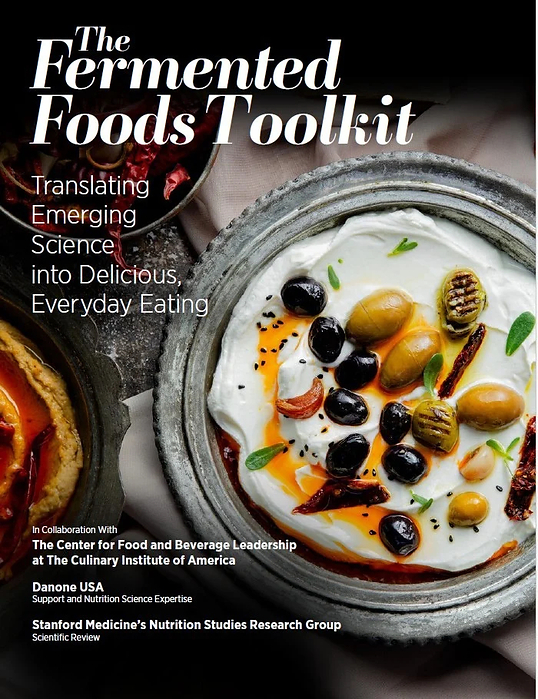
Global Flavors Meet Comfort Classics The Specialty Food Association's Trendspotter Panel has released its analysis of six major trends observed at the 2026 Summer Fancy Food Show, held June 28–30 in New York. The panel walked the show's 345,000 square feet of exhibitor space to identify patterns that signal where specialty food and beverage innovation is heading. Comfort foods are being reimagined with international flavors—from butter chicken frozen pizza to Korean-inspired oatmeal. "Global flavors aren't the story anymore. They're the expectation in specialty food," said Carol Ortenberg, CPG strategist and editor at The End Cap. "The next wave of innovation applies them to familiar foods, bringing relevance to established categories."
Ingredients Take Center Stage Brands are shifting focus from what's absent in products to what's inside them.
Ingredients like honey, dates, bone broth, and avocado oil are being showcased explicitly rather than marketed for functional benefits. "This trend combats the 'function fatigue' we're seeing among consumers and lets brands stand out through simplicity," said John Lane, senior category manager and product innovation at The Raley's Companies. Dates, in particular, are emerging as a favored natural sweetener. "Dates are having a serious moment and were all over the Fancy Food Show," said Fred Hart, brand and design consultant at Hart Brands. "As brands continue searching for natural sweeteners with benefits beyond cane sugar, dates are quickly becoming one of the industry's favorite ingredients."
Bite-Sized Format Gains Traction Small, shareable products—frozen dumplings, mini cakes, poppable desserts—are proliferating as GLP-1 medications reshape consumer appetite and demand for flavor density intensifies. "The opportunity with bite-sized products isn't simply smaller portions, it's more occasions," said Ortenberg. "By delivering big flavor and quality in offerings that are easier to try, share, and enjoy, brands can unlock new ways for consumers to engage with specialty food."
Ancient Recipes, Modern Audiences Founders are mining cultural traditions for inspiration: Ayurvedic drinks, Arabic coffee, Persian sekanjabin, Navajo tea, Peruvian chicha morada, and tepache are all finding new consumers. "Just as yerba mate and açaí introduced new beverage traditions to America, founders are digging even deeper into their own cultures for inspiration," said Hart. The trend extends beyond beverages. La Milpa tortillas, for example, use nixtamal in their tortillas and chips to honor their heritage. "It's not only about the flavor, it's about the ritual and tradition," said Andrea Hernández, creator of Snaxshot.
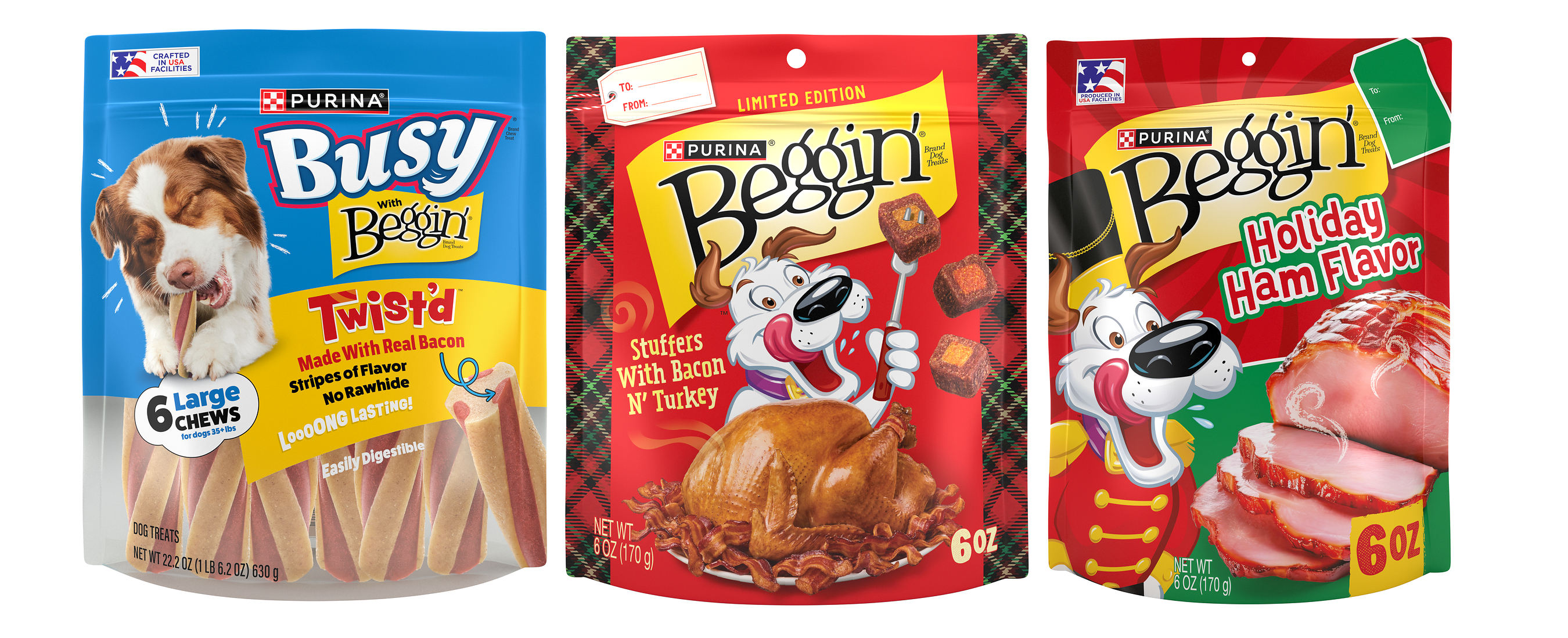
Craft Aesthetics Signal Premium Positioning Brands are abandoning neon, over-the-top packaging in favor of organic, farm-forward design cues: hand-drawn art, muted colors, and minimalist layouts. "We're seeing brands lean into an organic, from-the-farm positioning and away from the over-the-top branding and neon colors previously meant to attract the attention of Gen Z," said Hernández. "The trend for years was a 'more is more' mindset," said Becky Nelson Dahl, partner at Bex Brands. "Now, we're seeing more restraint: hand-drawn packaging art and muted organic colors, thoughtfully designed to lean into the qualities of the ingredients inside."
Packaging Innovation as Product Differentiation Rethinking container format is emerging as a standalone innovation strategy. Applesauce in yogurt-style tubes, honey in toothpaste bottles, chocolate in cigarette-style packs, and balsamic in squeeze bottles demonstrate how format changes can refresh familiar products. "Sometimes innovation isn't the product—it's the package," said Hart. "Brands are bringing a sense of playfulness and purpose to packaging," added Maggie McGlinchy, store manager at Pop Up Grocer. "Not only are they bucking long-standing trends, but they're using thoughtful innovations like packaging kimchi in single-use sachets to unlock even more usage occasions."
Market Context
The specialty food and beverage segment reached more than $295 billion in revenue in 2025 and is projected to grow to $510 billion by 2030, according to SFA data. These trends reflect how the segment evolves ahead of mass-market adoption. The Specialty Food Association will showcase 2027 trends at Winter FancyFaire, running January 17–19, 2027, in San Francisco.
Why It Matters
For retailers and foodservice operators, these six trends signal where consumer demand is consolidating: premiumization through global flavor fusion, transparency in ingredient storytelling, smaller portion sizes aligned with evolving eating patterns, cultural authenticity, restrained design language, and format innovation as a category differentiator. Specialty buyers stocking assortments should monitor how mainstream CPG brands attempt to adopt these signals—and where they fall short of the craft positioning that specialty players can sustain.
For more insights and trends in the food and beverage sector, check out more articles in The Food & Beverage Magazine family of publications.
Written by FBM Publications Editors