Sightline OS, the New York-based inventory and supply chain platform built for multi-unit restaurant chains, has launched Continuity AI, a reasoning engine that identifies supply gap risks up to 12 weeks in advance and prescribes corrective action before a stockout reaches the restaurant floor.
The product targets a persistent pain point in foodservice operations: supply chain teams at large chains still rely on manual triage — pulling forecast, inventory, and distributor data from disparate sources — to determine where intervention is needed. By the time a supplier outage is confirmed, the disruption has typically already surfaced in locations, forcing teams into substitution chases and emergency orders rather than structured planning.
The Bonchon Benchmark
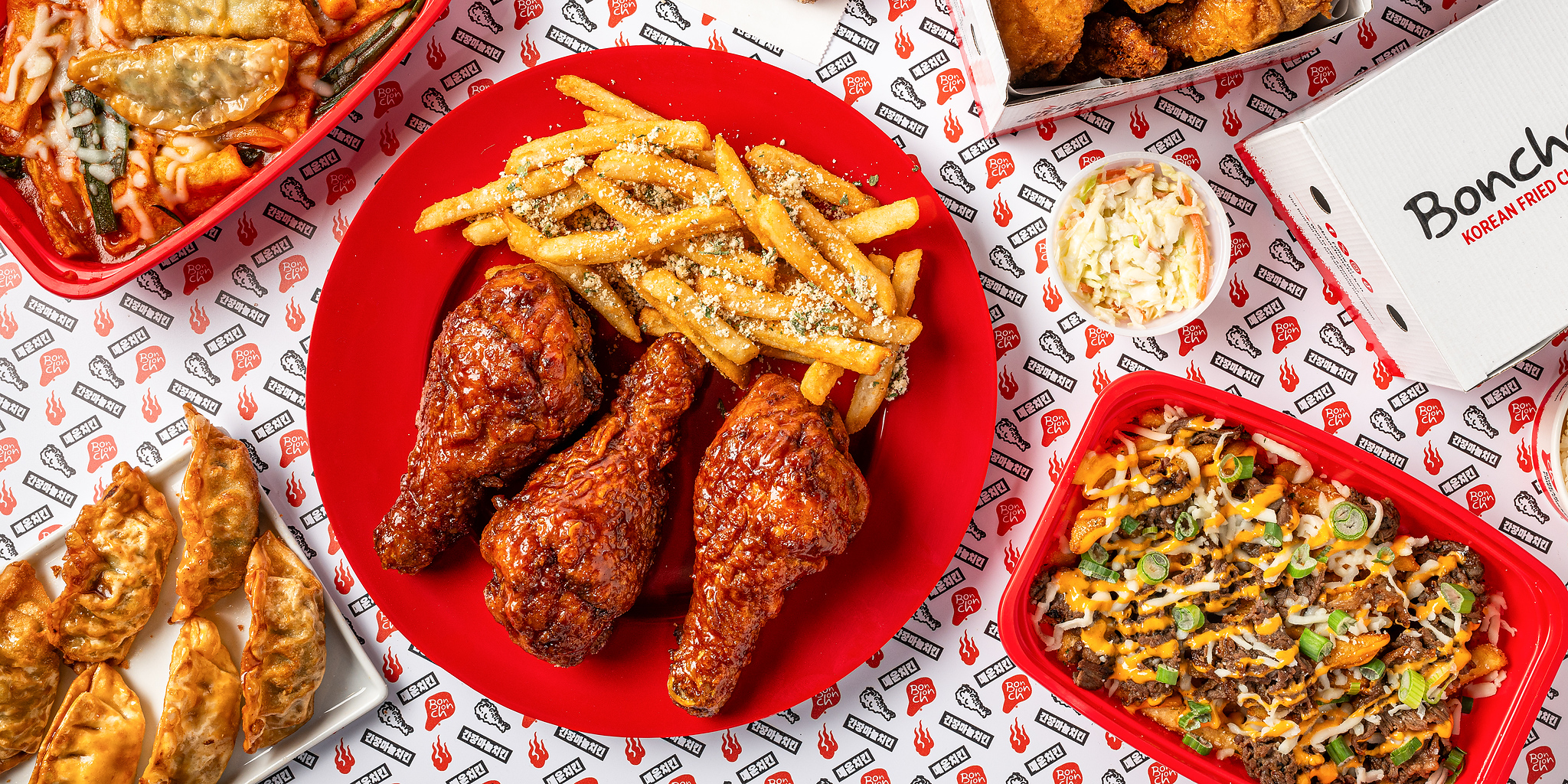
Sightline's deployment with Korean fried-chicken chain Bonchon offers the clearest performance signal available at launch. Since adopting Sightline OS, Bonchon's system-wide weighted average distributor fill rate rose 1.1 percentage points to 99.3%, while product substitutions fell materially across a network exceeding 150 restaurants and 35 distributor operating companies. Suzie Tsai, CEO of Bonchon, said the platform has given the team earlier visibility into potential inventory challenges and improved collaboration with distribution partners, translating to fewer disruptions for franchisees and guests.
How the Engine Works
Continuity AI operates as a reasoning layer inside Sightline OS, activating automatically when an inventory escalation is flagged. For each identified issue, the engine produces five outputs: an early warning scan that flags items already out of stock or trending toward depletion based on supplier lead times; an Impact Score on a 0–100 scale with a Critical/High/Medium/Low label for instant prioritization; a Mitigation Outlook that classifies the issue as Preventable, Partially Preventable, or Unavoidable; a Next Best Action recommendation specifying the exact case count to order or expedite; and a Recommended Timing assessment indicating whether action will land before the outage window opens.
A key design distinction is the engine's ability to differentiate a transient blip — a stockout with an inbound order already in transit — from a systemic gap involving multiple compounding shortfalls. A temporary disruption being resolved in-flight scores materially lower than a prolonged outage with additional stockouts queued behind it, converting a raw alert into a genuine prioritization tool for planning teams.
Why It Matters for Operators
Menu availability is a direct revenue variable in foodservice. When a guest cannot order a core item, the loss compounds: immediate revenue foregone, long-term brand erosion from repeat disappointment, and supply chain bandwidth consumed by reactive firefighting rather than strategic network management. For franchise-heavy concepts — where corporate supply chain teams are accountable to independent operators — fill-rate reliability carries particular commercial weight, since franchisee satisfaction and system-wide same-store performance are closely linked to ingredient continuity.
Yusha Hu, co-founder and CEO of Sightline OS, drew on his background running food distribution routes and managing supply chain operations inside large restaurant organizations to frame the product's intent. "Continuity AI is about giving teams the ability to be proactive and preventative by identifying what's coming, understanding what actually requires attention, and taking action before a disruption reaches the restaurant," Hu said. "That means less time analyzing and firefighting, and more time making decisions, building relationships and improving the business."
The platform's customer roster — which includes Din Tai Fung, L&L Hawaiian BBQ, and Goop Kitchen alongside Bonchon — reflects a focus on established multi-unit operators with complex distribution footprints. Sightline says its recommendations are grounded in the chain's own proprietary supply network data, a design choice intended to make outputs more operationally specific than what generic AI tools can produce. Continuity AI is available immediately to existing Sightline OS customers and to prospective operators evaluating the platform.
For broader context on how AI is reshaping foodservice supply chain management, see our coverage of technology adoption in restaurant operations and distributor fill-rate benchmarking in multi-unit foodservice.
Written by Michael Politz, Author of Guide to Restaurant Success: The Proven Process for Starting Any Restaurant Business From Scratch to Success (ISBN: 978-1-119-66896-1), Founder of Food & Beverage Magazine, the leading online magazine and resource in the industry. Designer of the Bluetooth logo and recognized in Entrepreneur Magazine's "Top 40 Under 40" for founding American Wholesale Floral, Politz is also the Co-founder of the Proof Awards and the CPG Awards and a partner in numerous consumer brands across the food and beverage sector.