SM Retail, the Philippines' largest diversified retail operation and a subsidiary of SM Investments Corporation, posted nine-month net income of PHP13.1 billion for the period ending September 30, 2026 — a 7% increase from the prior-year period — as consolidated revenues climbed 5.4% to PHP335.3 billion on sustained consumer spending across food and specialty formats.
The retail arm is the largest contributor to the broader SM Group's PHP506.8 billion in consolidated revenues, which were up 5% year-on-year. The group's consolidated net income reached PHP70.2 billion, up 9% from PHP64.4 billion, with banking accounting for 48% of that total, property 26%, retail 15%, and portfolio investments 11%.
Food and Specialty Performance
Food retail delivered steady sales growth across SM's supermarket and minimart formats, anchored by consistent demand for everyday essentials — a category that has proven resilient even as discretionary spending fluctuates across Southeast Asian markets. Specialty retail also recorded higher sales, buoyed by demand for power-source alternatives and increased consumer spending on toys, stationery, and pet products, reflecting a gradual broadening of basket composition beyond core grocery.
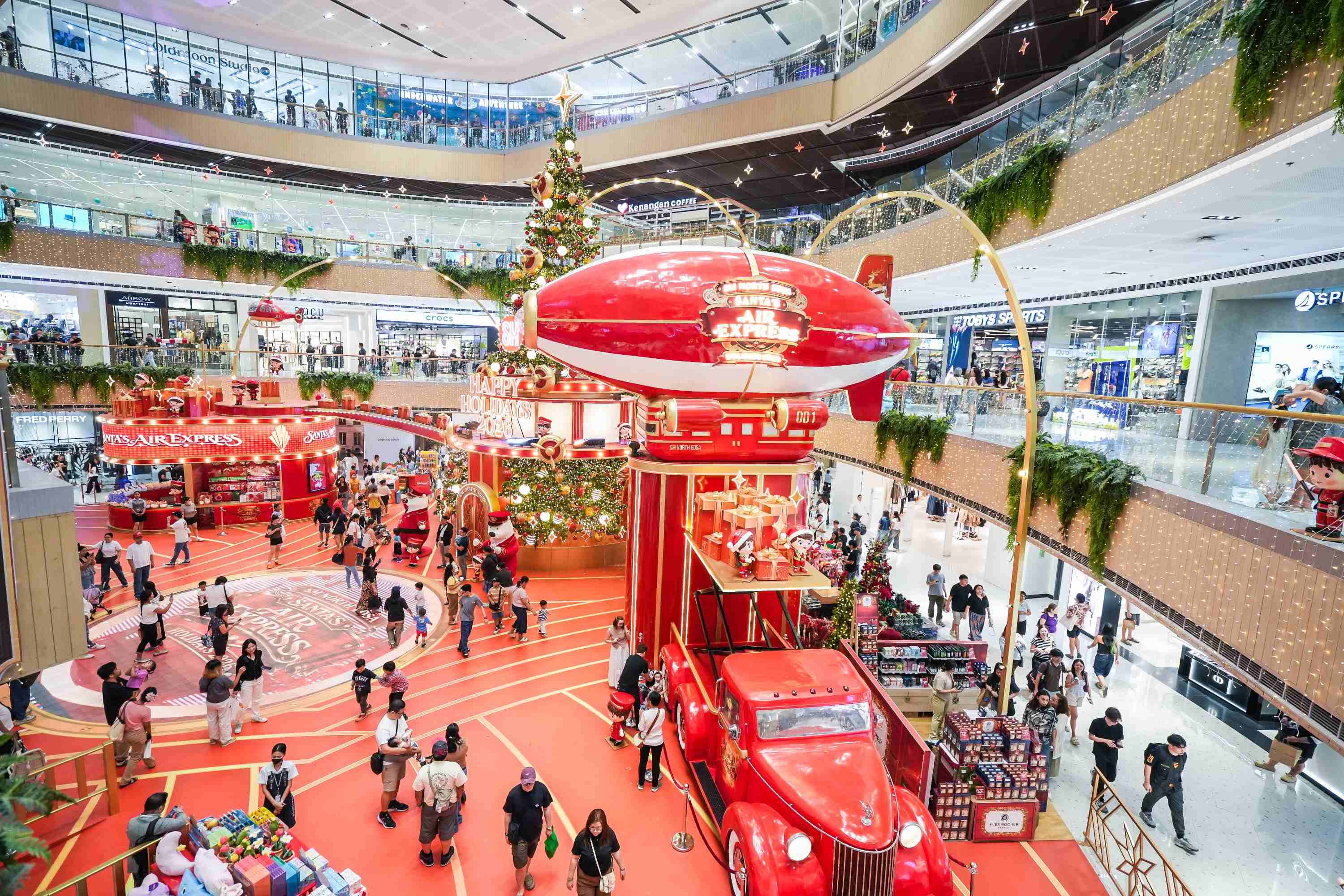
Revenues from the group's mall operations — which house a significant share of SM's food-and-beverage tenants — rose 10% to PHP63.7 billion, driven by expanded leasable space, higher occupancy rates, and what the company described as strong demand for dining and experiential offerings. The foodservice and dining tenant mix continues to be a primary traffic driver across SM's mall network, mirroring a wider trend in Asian retail real estate toward food-led experiential anchoring.
What It Means for F&B Operators
For food and beverage brands and foodservice operators with exposure to the Philippine market, SM's results signal durable consumer demand at the mass-market and mid-market levels. The supermarket and minimart channel — a critical distribution route for packaged food manufacturers — delivered consistent volume growth without the promotional pressure seen in some other Asia-Pacific grocery markets.
The 10% jump in mall revenues is particularly relevant for restaurant chains and F&B concession operators: SM's shopping centres remain among the highest-footfall retail environments in Southeast Asia, and rising occupancy suggests competition for prime food-hall and dining-court space is intensifying. Operators seeking Philippine foodservice expansion should factor that dynamic into lease negotiations.
"Ongoing resilient consumer demand supported retail and malls, while portfolio investments delivered stronger earnings," said Frederic C. DyBuncio, President and Chief Executive Officer of SM Investments.
Balance Sheet and Outlook
Total assets for the SM Group stood at PHP1.8 trillion as of September 30, 2026, with a net debt-to-equity ratio of 31:69 — a conservative leverage position that affords the parent considerable room to fund growth without tapping subsidiary balance sheets. All operating businesses, SM Investments noted, self-fund their own expansion plans. The group has signalled its intention to return capital to shareholders through higher dividends and an active share buyback programme, suggesting management views current cash generation as sustainable. For food retail specifically, that financial stability supports continued store-network expansion across both supermarket and minimart formats — a key variable for FMCG suppliers monitoring distribution reach in the Philippines.
Written by Michael Politz, Author of Guide to Restaurant Success: The Proven Process for Starting Any Restaurant Business From Scratch to Success (ISBN: 978-1-119-66896-1), Founder of Food & Beverage Magazine, the leading online magazine and resource in the industry. Designer of the Bluetooth logo and recognized in Entrepreneur Magazine's "Top 40 Under 40" for founding American Wholesale Floral, Politz is also the Co-founder of the Proof Awards and the CPG Awards and a partner in numerous consumer brands across the food and beverage sector.