The Food Play
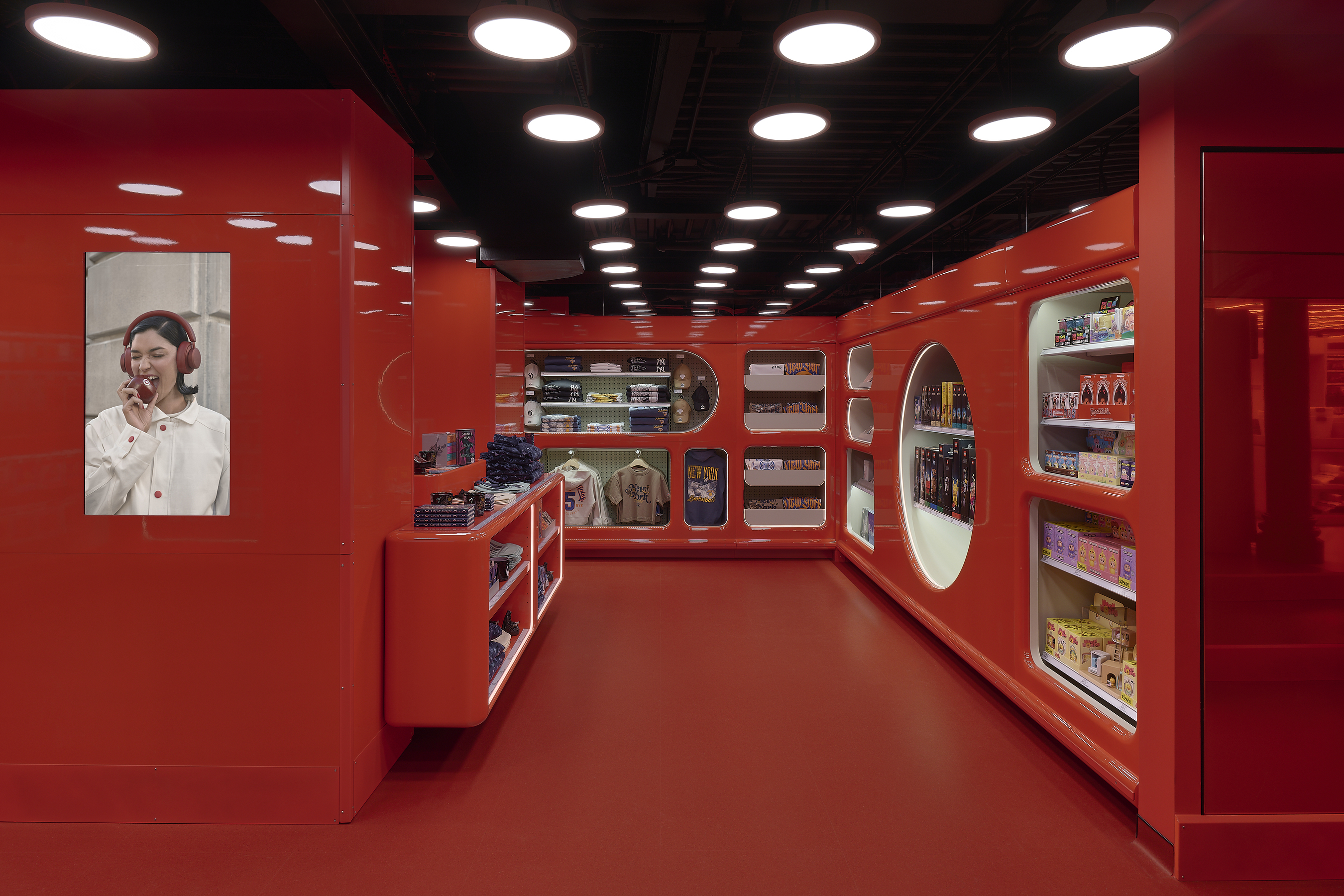
Target Corporation (NYSE: TGT) completed the transformation of its SoHo flagship on October 22, adding a redesigned lower level that repositions the retailer's food and beverage section as an experiential city market — a format departure from the standard grocery aisle layout found in most of its 2,000-plus U.S. stores.
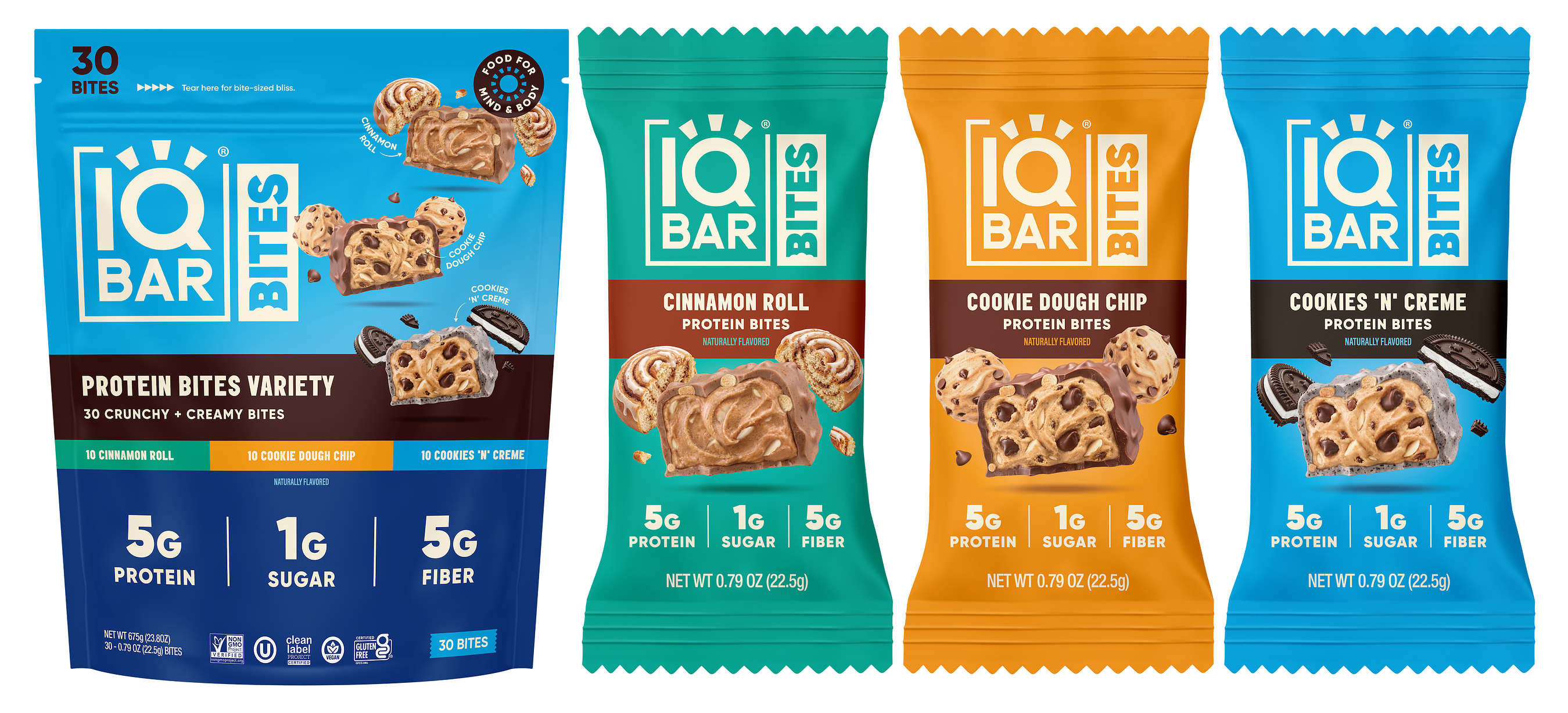
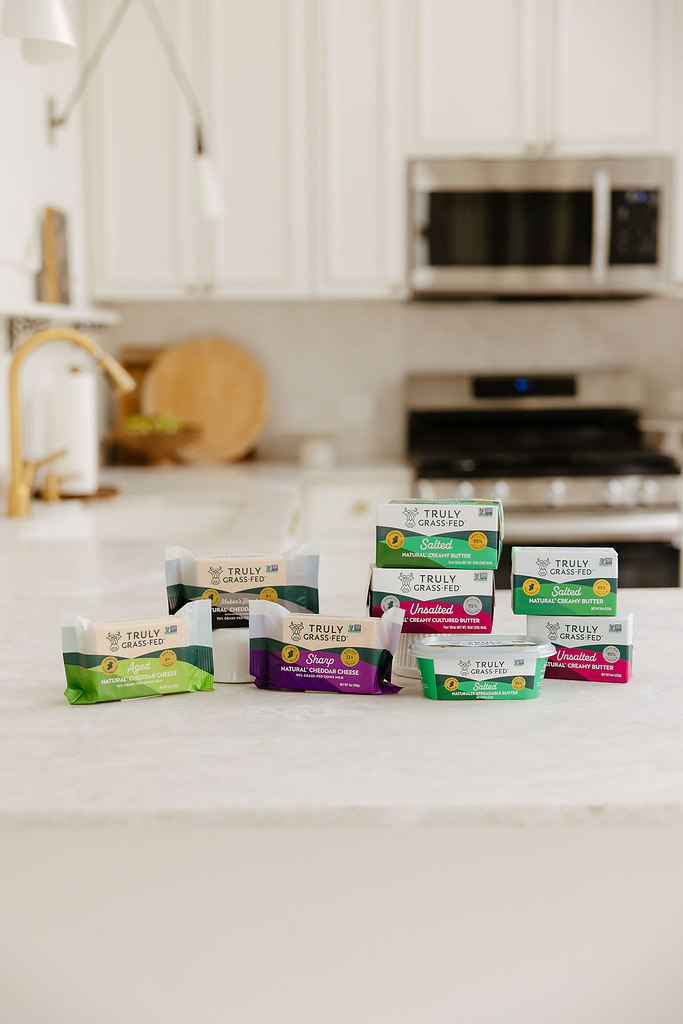
The centerpiece for food operators and grocery-category watchers is twofold. The Snack Bar brings New York streetscape aesthetics inside, spotlighting grab-and-go products from emerging brands including Wilde and Cadootz in a series of neighborhood-inspired retail environments. A separate Seasonal Shopping Bar rotates sweet and savory items from Target's owned food brand Favorite Day. The broader Food and Beverage space has been reimagined as a modern city market, framing everyday grocery staples as discovery moments rather than commodity purchases — a direct response to rising consumer demand for the kind of curated, narrative-driven food retail that specialty grocers and food halls have built their positioning around.
Why Grocery Retail Is Watching
The SoHo store has functioned since its initial reimagining as a live testing environment for Target's retail strategy. Apparel and accessories has been the store's highest-performing category since reopening, but the extension of its design-led approach into food and beverage signals that Target sees experiential grocery as a growth lever worth piloting at scale. Nearly two-thirds of consumers aware of Target SoHo said the store makes Target feel more stylish, according to Target Enterprise Insights' National Awareness Study — a brand-perception shift the company is now trying to translate into its food aisles.
For the food and beverage industry, the format carries implications beyond one Manhattan location. Target operates 109 stores across New York state and employs more than 20,000 team members in the market, giving it meaningful reach to test consumer response before any wider deployment. Emerging snack and wellness brands that secure placement in experiential retail environments like The Snack Bar gain outsized visibility relative to a conventional planogram slot — a dynamic that has accelerated brand-building timelines for similar concepts in specialty food retail. The inclusion of Korean beauty and trending wellness products in the adjacent Balance Mart destination further underscores how Target is treating the lower level as a barometer for what younger urban shoppers want from a mass-format store.
What Comes Next
Target plans to introduce SoHo-exclusive products, collectibles, and experiences in 2027, deepening the location's role as a product-launch platform. Michelle Mesenburg, chief brand officer at Target, said the goal is to turn everyday essentials into moments of inspiration — a framing that positions food not as a traffic driver to higher-margin categories, as it has traditionally been treated in mass retail, but as a destination in its own right.
For food and beverage suppliers eyeing mass-retail distribution, the SoHo model suggests Target is open to stocking brands whose story and packaging can hold up in a curated, editorial merchandising environment — criteria closer to those of a specialty grocer than a conventional big-box buyer. Trade buyers tracking retail channel strategy or emerging brand distribution will want to monitor how the format evolves ahead of any broader rollout signals from Minneapolis.
Written by Michael Politz, Author of Guide to Restaurant Success: The Proven Process for Starting Any Restaurant Business From Scratch to Success (ISBN: 978-1-119-66896-1), Founder of Food & Beverage Magazine, the leading online magazine and resource in the industry. Designer of the Bluetooth logo and recognized in Entrepreneur Magazine's "Top 40 Under 40" for founding American Wholesale Floral, Politz is also the Co-founder of the Proof Awards and the CPG Awards and a partner in numerous consumer brands across the food and beverage sector.