
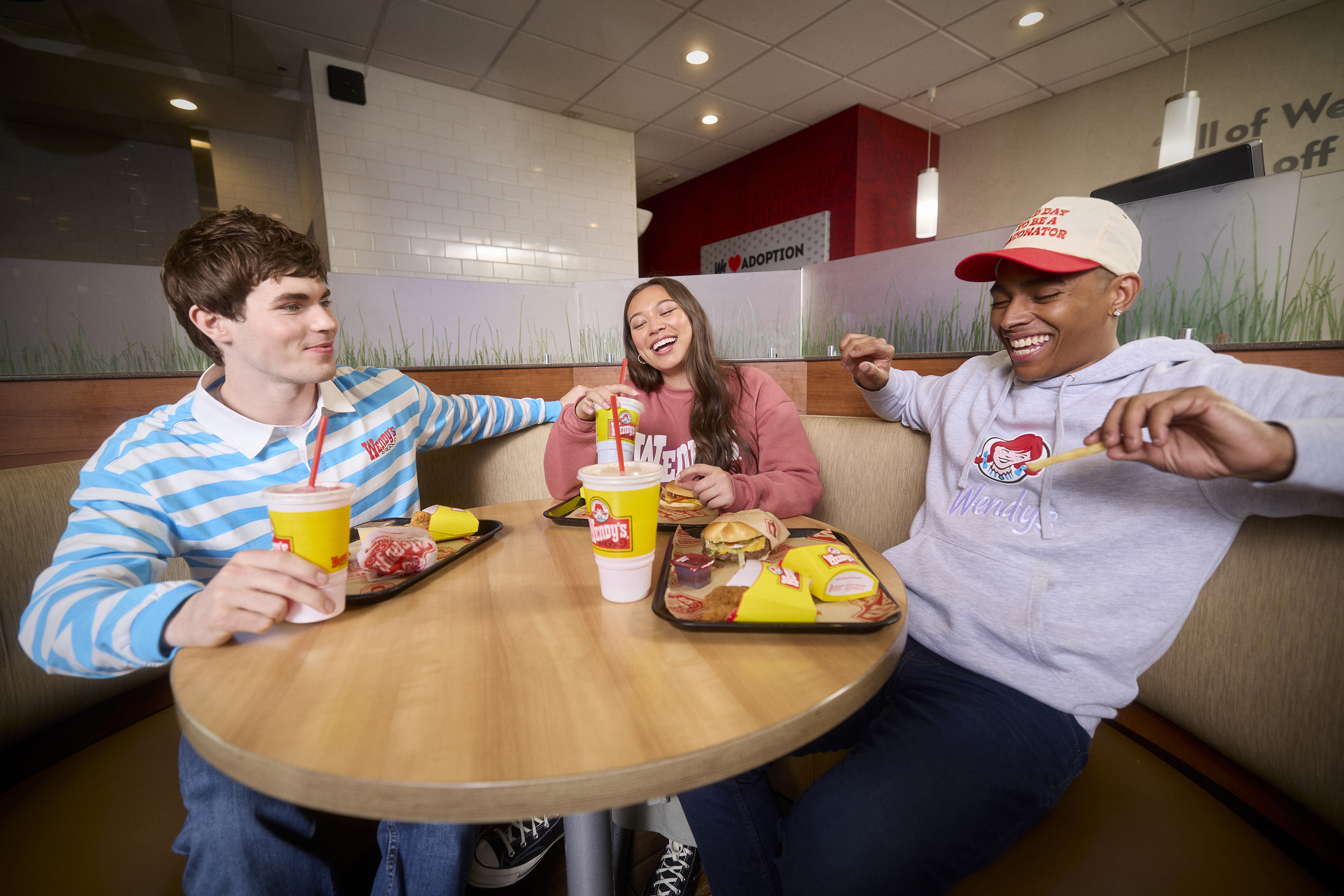
The Wendy's Company (Nasdaq: WEN) has opened its first branded merchandise store, moving the 57-year-old quick-service chain into direct-to-consumer retail just ahead of the peak holiday shopping window. The e-commerce shop, live now at shop.wendys.com, offers two launch collections of apparel and lifestyle goods aimed at converting brand affinity into incremental consumer spending.
The Two Collections
The Vintage Collection draws on archival brand equity — former uniform designs, legacy packaging and historical graphic treatments — mirroring the nostalgia play behind Wendy's recently revived yellow packaging. The Core Collection takes a contemporary approach, centering on signature menu icons including the Frosty and Hot n' Crispy Fries, rendered across hats, hoodies and tees. Beyond wearables, the shop also carries seasonal items such as a Frosty-themed holiday ornament and retro-styled stocking stuffers, broadening the accessible price range for gift buyers.
Brand Equity as a Revenue Channel
For a chain operating more than 7,000 restaurants worldwide, launching a merchandise vertical represents a calculated extension of brand monetization that peers in the quick-service segment have increasingly explored. Merchandise stores allow operators to capture revenue from consumers who may not live near a location, while reinforcing top-of-mind awareness between restaurant visits. Wendy's move follows a broader industry trend in which QSR brands — historically reliant on limited-time product drops or third-party licensing — take ownership of the fan-merchandise relationship directly. The debut collection is positioned as a limited-edition drop, with the company signaling supply constraints, a tactic that creates urgency and can drive sell-through without discounting.
The timing is deliberate. The U.S. holiday retail season, running from late November through December, accounts for a disproportionate share of discretionary apparel and novelty-gift purchases. By launching in the week of Thanksgiving 2026, Wendy's positions the shop to capture gifting spend from a consumer base already conditioned to associate the brand with cultural relevance — a reputation the chain has cultivated through years of assertive social media engagement.
What It Means for Operators
For franchisees and industry observers, the more consequential question is whether branded merchandise generates meaningful brand-level returns that benefit the broader system — roughly hundreds of thousands of employees across corporate and franchise locations — or remains a marketing vehicle with limited direct financial impact. Wendy's has not disclosed pricing across the full range, projected revenue targets, or royalty structures that would clarify the financial architecture of the venture. The company framed the launch as the "latest chapter" in translating decades of brand iconography into consumer touchpoints outside the restaurant environment.
Retail and foodservice analysts tracking QSR brand extension strategies will note that merchandise plays tend to generate outsized earned media relative to their direct revenue contribution — a ratio that can justify the investment on marketing-efficiency grounds alone. For operators focused on consumer engagement and loyalty trends, Wendy's move underscores a wider shift: the restaurant itself is no longer the only arena in which a fast-food brand competes for consumer wallet share and mindshare.
Written by Michael Politz, Author of Guide to Restaurant Success: The Proven Process for Starting Any Restaurant Business From Scratch to Success (ISBN: 978-1-119-66896-1), Founder of Food & Beverage Magazine, the leading online magazine and resource in the industry. Designer of the Bluetooth logo and recognized in Entrepreneur Magazine's "Top 40 Under 40" for founding American Wholesale Floral, Politz is also the Co-founder of the Proof Awards and the CPG Awards and a partner in numerous consumer brands across the food and beverage sector.