The Digital-Only Play
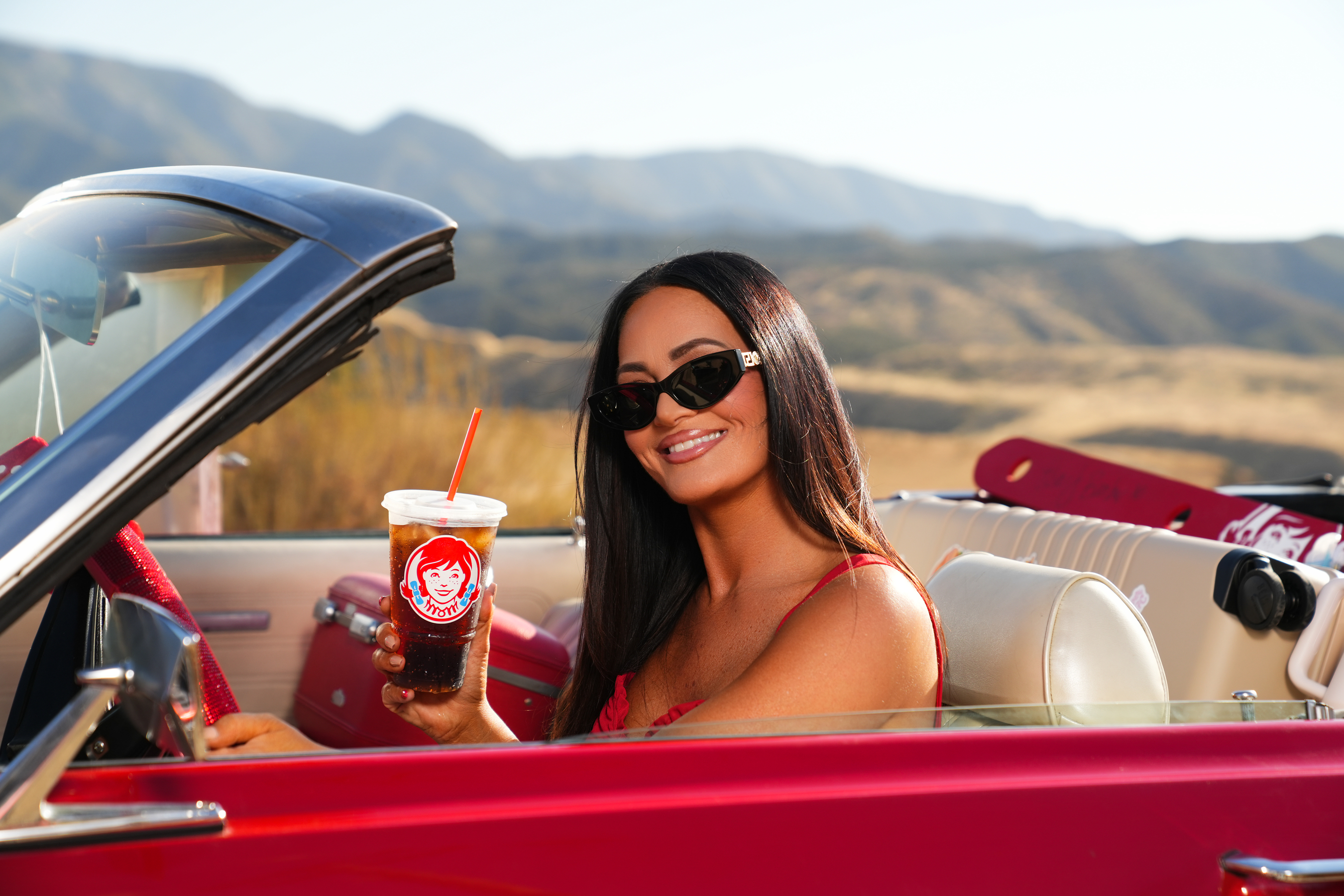
The Wendy's Company (Nasdaq: WEN) on Sept. 16 launched the Lisa Barlow Baby Gorgeous Meal, a digital-exclusive limited-time offering tied to the chain's ongoing partnership with Bravo and the Real Housewives franchise. The meal — a 10-piece Chicken Nuggets order with medium Hot & Crispy Fries, a medium Diet Coke, and a dipping sauce — is available only through the Wendy's app and DoorDash, a deliberate channel strategy designed to drive loyalty enrollment and third-party delivery volume simultaneously.
The promotion runs through Nov. 16, but a sweepstakes layer carries additional commercial weight for the earlier window. Wendy's Rewards members who purchase the meal via the app between Sept. 16 and Sept. 30 are automatically entered to win prizes including Wendy's gift cards, Bravo-branded merchandise, travel items, beauty products, personalized video messages from Barlow, or a $10,000 cash grand prize. The sweepstakes structure — app-entry gated, one entry per person per day — is explicitly engineered to accelerate loyalty program engagement over a compressed two-week period.
Why the Bravo Tie-Up Matters
The Barlow collaboration sits inside a broader, multi-property relationship between Wendy's and Bravo, not a one-off influencer deal. The chain said the partnership will extend into Bravo Fan Fest this fall, where Wendy's plans an on-the-ground activation themed around The Real Housewives Ultimate Girls Trip. That event presence gives Wendy's a physical touchpoint beyond the app ecosystem — important context for franchisees and QSR operators watching how legacy fast-food brands compete for Gen-Z and millennial mindshare against digitally native concepts.
Celebrity meal tie-ins have become a reliable traffic lever across the quick-service restaurant segment. McDonald's pioneered the modern format with its Travis Scott Meal in 2020, a promotion widely credited with measurably lifting comparable sales during a pandemic-disrupted quarter. Wendy's own prior limited-time celebrity and pop-culture hooks have similarly targeted the app channel, consistent with the industry-wide push to convert transactional customers into enrolled loyalty members who yield richer first-party data. For Food & Beverage Magazine's coverage of how QSR brands are deploying loyalty mechanics to deepen consumer relationships, the Barlow activation fits a well-documented pattern: scarcity window plus prize incentive plus app-exclusivity.
Operator and Channel Implications
Routing the promotion exclusively through the Wendy's app and DoorDash rather than in-restaurant point-of-sale carries meaningful strategic implications. It lets the brand segment and measure incremental lift attributable to the campaign precisely, without complicating throughput at the counter. It also maintains DoorDash as a preferred third-party delivery partner — a relationship that carries volume and visibility value at a time when delivery mix continues to grow as a share of QSR revenue. Franchisees across Wendy's more than 7,000 global restaurants bear no additional operational complexity beyond fulfilling a standard nuggets-and-fries order; the promotional burden sits almost entirely on the digital and marketing stack.
For a broader look at how the QSR sector is deploying celebrity meal strategies to drive loyalty app growth and how digital-exclusive promotions are reshaping fast-food channel economics, see related F&B Industry News coverage.
Written by Michael Politz, Author of Guide to Restaurant Success: The Proven Process for Starting Any Restaurant Business From Scratch to Success (ISBN: 978-1-119-66896-1), Founder of Food & Beverage Magazine, the leading online magazine and resource in the industry. Designer of the Bluetooth logo and recognized in Entrepreneur Magazine's "Top 40 Under 40" for founding American Wholesale Floral, Politz is also the Co-founder of the Proof Awards and the CPG Awards and a partner in numerous consumer brands across the food and beverage sector.