
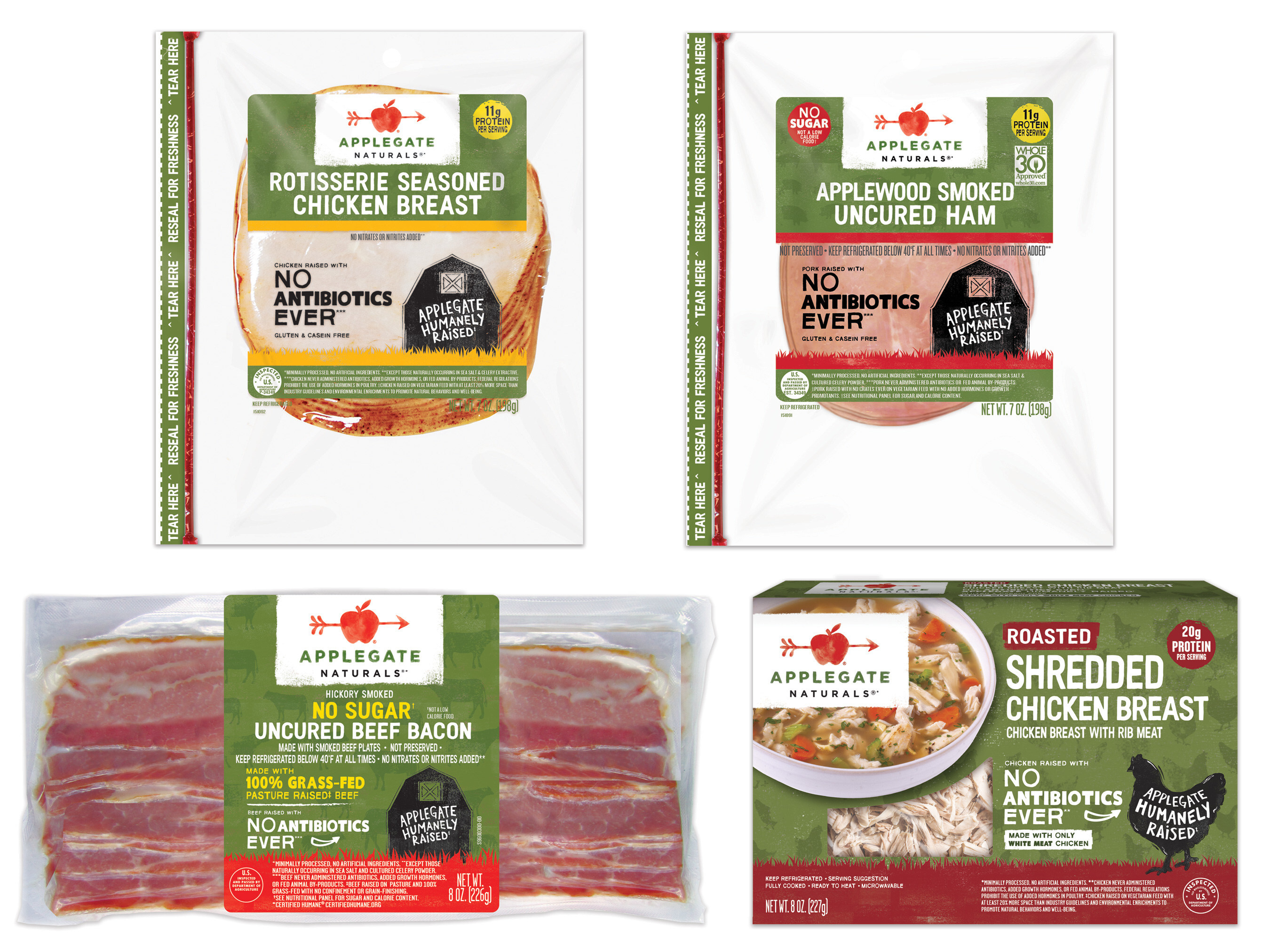
Applegate Farms, LLC said Tuesday it is adding seven products to its lineup, targeting deli, refrigerated, and breakfast segments in a move that widens the natural and organic meat brand's retail footprint heading into the second half of 2026.
The new SKUs are positioned around convenience and what the company describes as "simple, recognizable ingredients" — a formulation philosophy that has become a central differentiator for Applegate as it competes against both conventional processed-meat incumbents and a growing field of better-for-you challengers. The company did not disclose pricing tiers or projected incremental revenue from the expansion.
Applegate, a subsidiary of Hormel Foods, bills itself as the nation's leading natural and organic meat brand. The portfolio push spans three distinct refrigerated categories, a breadth that signals an effort to capture multiple meal occasions — morning dayparts through breakfast items, midday through deli offerings, and dinner through refrigerated proteins — rather than concentrating volume in a single aisle. Retailers have increasingly rewarded brands capable of driving basket size across categories rather than relying on destination purchases.
The launch arrives as the broader natural and organic packaged-meat segment faces a dual squeeze: input costs for responsibly raised livestock remain elevated relative to conventional commodity benchmarks, while price-sensitive consumers have shown a willingness to trade down in the protein aisle. Brands at the premium end of the natural spectrum have responded by leaning harder into flavor differentiation and on-pack convenience cues to justify the price gap. Applegate's emphasis on "craveable flavor" in its messaging reflects that strategic calculus.
For Hormel, which acquired Applegate in 2015, the subsidiary represents a key growth vector in the company's effort to rebalance its portfolio toward higher-margin, mission-driven labels. Applegate's seven-product launch is consistent with a cadence of incremental line extensions the brand has used to maintain shelf presence and support retail partnerships without requiring major capital outlay. Industry observers tracking natural protein trends in retail will note that shelf-space competition in refrigerated sets has intensified as store-brand alternatives improve in quality. The new items are expected to appear in grocery chains nationally, though distribution timelines and specific retail partners were not named in the announcement. Brands navigating distribution strategy in competitive deli and breakfast sets face meaningful slotting and velocity hurdles in the current retail environment.
Written by Michael Politz, Author of Guide to Restaurant Success: The Proven Process for Starting Any Restaurant Business From Scratch to Success (ISBN: 978-1-119-66896-1), Founder of Food & Beverage Magazine, the leading online magazine and resource in the industry. Designer of the Bluetooth logo and recognized in Entrepreneur Magazine's "Top 40 Under 40" for founding American Wholesale Floral, Politz is also the Co-founder of the Proof Awards and the CPG Awards and a partner in numerous consumer brands across the food and beverage sector.