Austria Juice Cuts Fruit Sugar 30% With Fermentation Tech
Apple juice concentrate is the flagship SKU; commercial debut set for PLMA Amsterdam, May 2026.
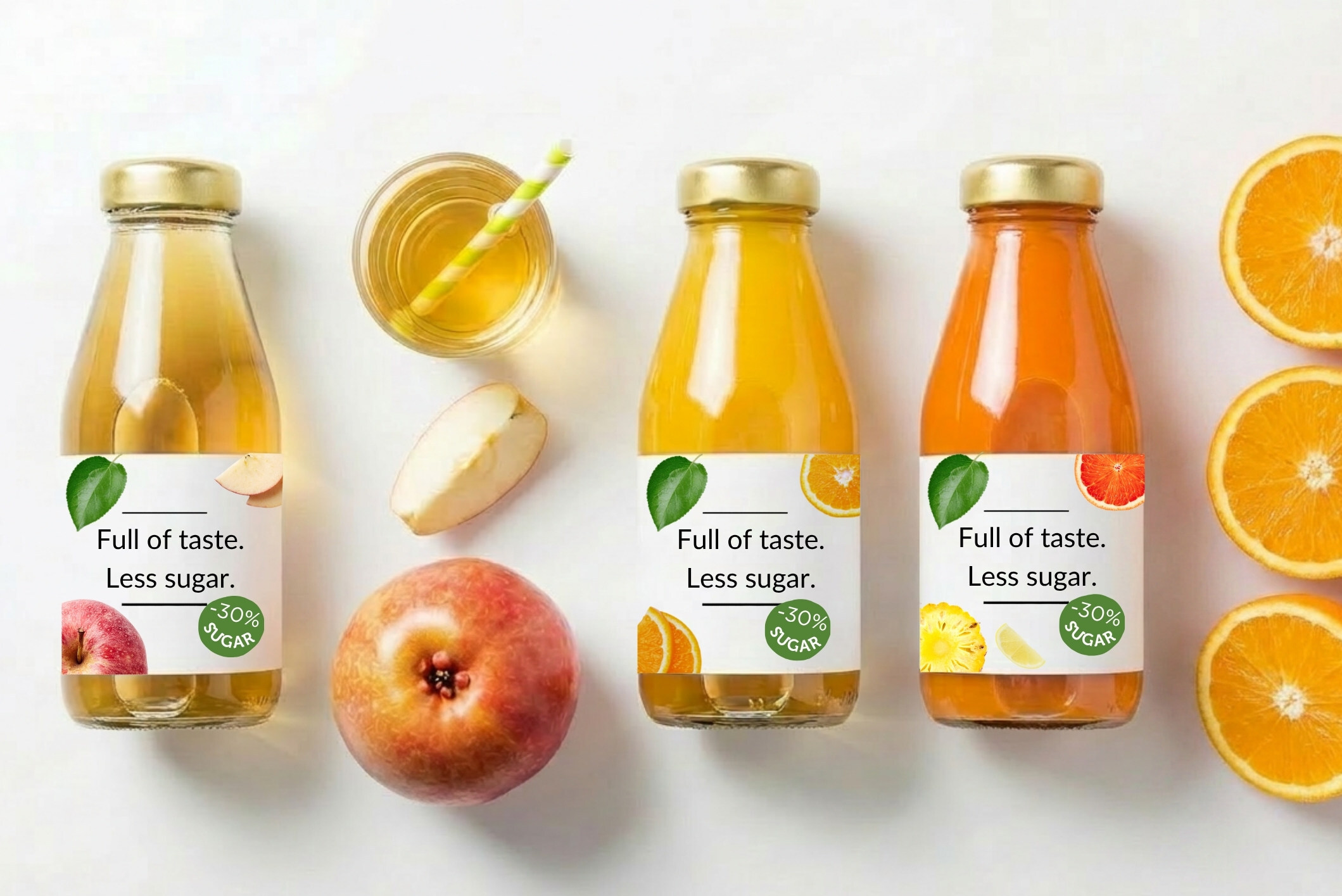
Austria Juice GmbH has developed a proprietary yeast fermentation system capable of reducing sugars and calories in 100% fruit juice by at least 30%, the Allhartsberg-based ingredients supplier announced on 12 May 2026. The technology is being positioned as a compliance tool for consumer-packaged-goods companies navigating tightening EU sugar-reduction directives, with an apple juice concentrate as its first commercial application.
The process is described as entirely natural: resident yeasts metabolise a portion of the fruit's inherent sugars during a controlled fermentation stage before concentration, leaving the finished product with a materially lower caloric load without the addition of sweeteners or flavour-masking agents. Austria Juice says the organoleptic profile — taste, aroma, and mouthfeel — is preserved, a claim the company says differentiates the approach from enzymatic or membrane-filtration alternatives used elsewhere in the sector.
The launch arrives as European regulators and retailers intensify pressure on the [non-alcoholic beverage category](/beverages/non-alcoholic-trends) to reduce inherent sugars, not merely added ones. Fruit juice has historically occupied an ambiguous regulatory space because its sugar content is naturally derived; new EU labelling frameworks are expected to close that gap, creating demand for ingredient-level solutions of the kind Austria Juice is commercialising. CPG brands reformulating under those constraints have limited options that allow them to retain a "100% juice" label claim, making fermentation-based reduction strategically attractive.
Austria Juice, a supplier of juice concentrates and NFC juices to European and global food manufacturers, is introducing the reduced-sugar apple concentrate at the Private Label Manufacturers Association (PLMA) trade show in Amsterdam in May 2026. The PLMA venue is a deliberate signal: private-label retailers, under margin pressure and regulatory scrutiny simultaneously, represent a primary near-term customer segment. The [ingredients and supply-chain dynamics](/supply-chain/juice-concentrate-market) surrounding fruit juice concentrates have grown more complex as input costs and reformulation demands converge.
No revenue projections, licensing terms, or volume capacity figures were disclosed in the announcement. Austria Juice has not indicated whether the fermentation platform will be extended to other juice varieties — citrus, berry, or tropical — beyond the apple concentrate flagship, though the underlying yeast mechanism is theoretically substrate-agnostic.
Written by Michael Politz, Author of [Guide to Restaurant Success: The Proven Process for Starting Any Restaurant Business From Scratch to Success (ISBN: 978-1-119-66896-1)](https://www.amazon.com/Beverage-Magazines-Guide-Restaurant-Success/dp/1119668964), Founder of Food & Beverage Magazine, the leading online magazine and resource in the industry. Designer of the Bluetooth logo and recognized in Entrepreneur Magazine's "Top 40 Under 40" for founding American Wholesale Floral, Politz is also the Co-founder of the Proof Awards and the CPG Awards and a partner in numerous consumer brands across the food and beverage sector.