The Initiative
Blue Shield of California is committing $600,000 to a new statewide Food as Health initiative, spreading funding across seven California food-security nonprofits in a bid to address the nutritional roots of chronic disease and slow long-term healthcare cost growth. The nonprofit health plan, which carries nearly 6 million members and more than $28 billion in annual revenue, frames the program as a direct investment in reducing the incidence and management cost of conditions such as diabetes, heart disease, and hypertension.
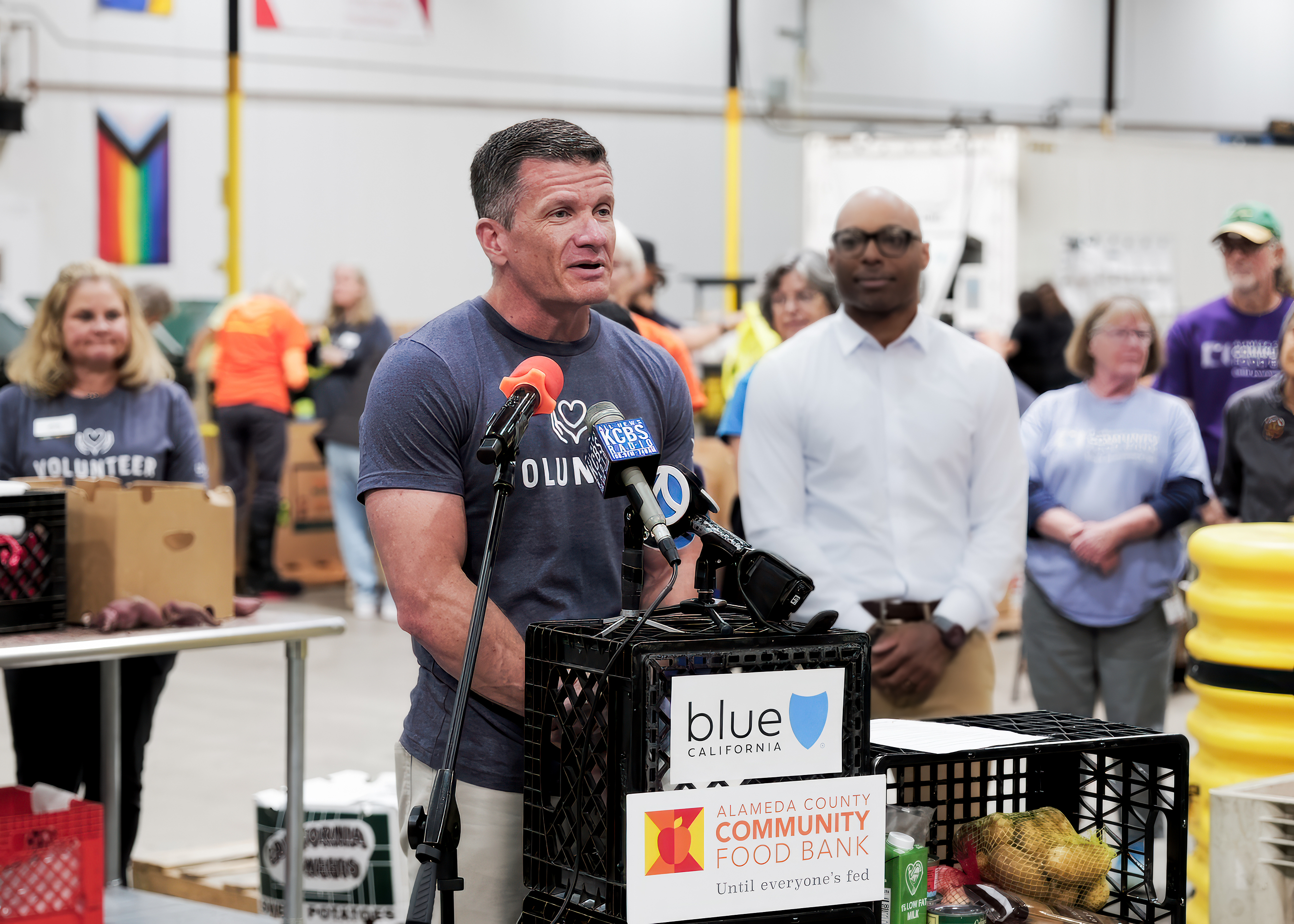
The first and largest single disbursement — $300,000 over multiple years — goes to the Alameda County Community Food Bank (ACCFB) to scale its Food as Medicine program, which delivers home-assembled boxes of medically supportive food, including fresh produce, proteins, and pantry staples, directly to eligible Medi-Cal members managing chronic conditions. Blue Shield is the program's first and largest corporate sponsor.
The Numbers
The ACCFB Food as Medicine program launched from a diabetes prevention pilot that started with an initial cohort of 20 participants. Since 2024, enrollment has grown to more than 400 people annually. Participants receive 12 weeks of home-delivered food alongside nutrition education, a model that ACCFB built partly on CalAIM — California Advancing and Innovating Medi-Cal — making it the first food bank in California to leverage that funding stream for medically supportive food. Blue Shield's $300,000 investment is earmarked to expand the participant base, strengthen data collection infrastructure, and fund program evaluation needed to replicate the model elsewhere in the state.
The six remaining grants under the Food as Health initiative — together totaling $300,000 — will support additional food-security organizations across California, with announcements expected in coming months. Blue Shield has not disclosed individual grant sizes or named the other recipient organizations.
Why It Matters
The food-as-medicine category is attracting growing capital from health plans and insurers as payers seek non-clinical levers to manage chronic-disease expenditure, a trend that intersects directly with the foodservice supply chain, specialty food manufacturers, and community distribution infrastructure. Medically tailored meal programs require sourcing that meets clinical dietary specifications, creating procurement opportunities distinct from conventional food-bank operations.
"Access to healthy food can improve health outcomes, help prevent and manage chronic conditions such as diabetes, heart disease, and hypertension, and support more affordable healthcare over the long term," said Mike Stuart, president and CEO of Blue Shield of California. Regi Young, executive director of ACCFB, called Blue Shield's investment "a catalyst to share this model with other partners, potentially reshaping how chronic disease is addressed in the future."
For food and beverage operators and distributors tracking the medically tailored meals segment, the Blue Shield commitment signals that institutional funding for nutrition-based interventions is moving beyond pilot scale. Payers increasingly view food access as a supply-chain and community-health issue rather than a charitable add-on, a framing that stands to influence procurement contracts, specialty nutrition product development, and last-mile distribution partnerships in California and beyond.
Written by Michael Politz, Author of Guide to Restaurant Success: The Proven Process for Starting Any Restaurant Business From Scratch to Success (ISBN: 978-1-119-66896-1), Founder of Food & Beverage Magazine, the leading online magazine and resource in the industry. Designer of the Bluetooth logo and recognized in Entrepreneur Magazine's "Top 40 Under 40" for founding American Wholesale Floral, Politz is also the Co-founder of the Proof Awards and the CPG Awards and a partner in numerous consumer brands across the food and beverage sector.