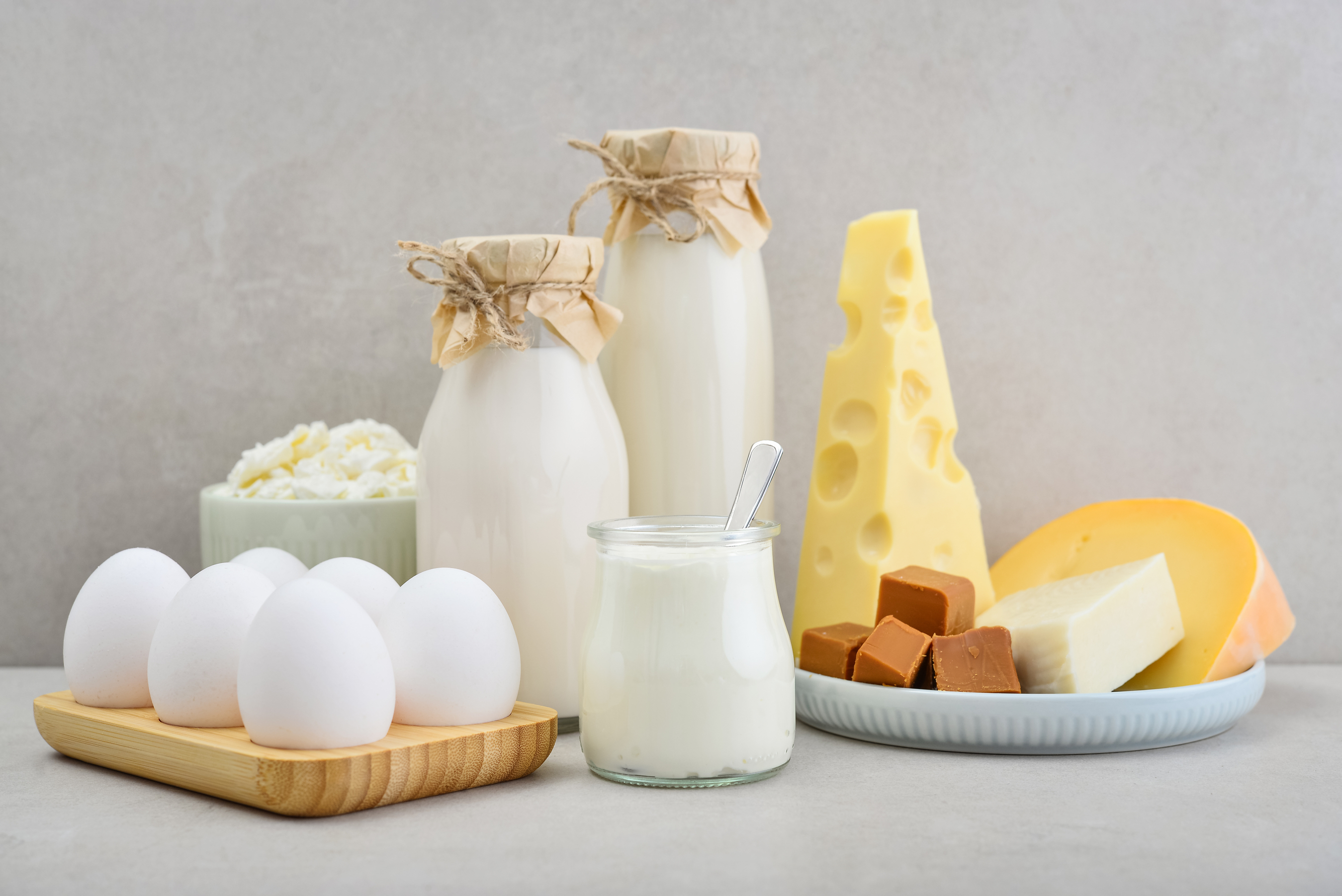
Cornell University's Center for Regional Economic Advancement (CREA) has opened applications for the sixth cohort of Dairy Runway, a no-cost entrepreneurship accelerator targeting food innovators building value-added dairy products across the Northeast.
The program, run in partnership with the Cornell College of Agriculture and Life Sciences (CALS), is funded by the Northeast Dairy Business Innovation Center (NE-DBIC). Eligibility extends to early-stage food entrepreneurs located anywhere in the 11-state Northeast region who are developing products derived from cow, goat, or sheep milk sourced locally.
What the Program Delivers
Dairy Runway introduces participants to structured customer discovery methodology, provides hands-on prototyping training, and pairs cohort members with business coaches. The curriculum is designed specifically for founders at the pre-commercial or early commercial stage — operators who need market validation and product development support before seeking outside capital or retail distribution.
Since its launch three years ago, the program has supported 30 teams of dairy product innovators across five cohorts. That track record positions Dairy Runway as one of the more substantive publicly funded incubation efforts targeting the specialty and artisan dairy segment in the region, a category that has attracted growing retailer and foodservice interest as consumer demand for locally sourced, differentiated dairy products has expanded.
Why It Matters for the Sector
The Northeast dairy supply chain faces persistent structural pressure: fluid milk volumes have declined for more than a decade, and farm-gate economics continue to squeeze producers. Value-added processing — think aged cheeses, drinkable yogurts, cultured dairy beverages, and functional dairy formats — represents one of the more viable diversification pathways for regional milk. Programs like Dairy Runway serve as a pipeline for that transition, translating farm-level supply into differentiated consumer products with higher margin potential.
For the broader food and beverage industry, the cohort model also functions as an early-signal mechanism: the entrepreneurs who cycle through accelerators like this often become the emerging brands that regional grocers, specialty retailers, and foodservice distributors scout for local sourcing programs two to three years later. Operators and buyers tracking the Northeast's evolving dairy innovation landscape may find the cohort roster worth monitoring.
Applications are currently open; prospective participants can apply through the Dairy Runway program page. No cost or equity stake is involved — the NE-DBIC funding covers program delivery. For more on how accelerator and incubator programs are reshaping food entrepreneurship, see F&B Industry News coverage of emerging food brands and related dairy category trends.
Written by Michael Politz, Author of Guide to Restaurant Success: The Proven Process for Starting Any Restaurant Business From Scratch to Success (ISBN: 978-1-119-66896-1), Founder of Food & Beverage Magazine, the leading online magazine and resource in the industry. Designer of the Bluetooth logo and recognized in Entrepreneur Magazine's "Top 40 Under 40" for founding American Wholesale Floral, Politz is also the Co-founder of the Proof Awards and the CPG Awards and a partner in numerous consumer brands across the food and beverage sector.