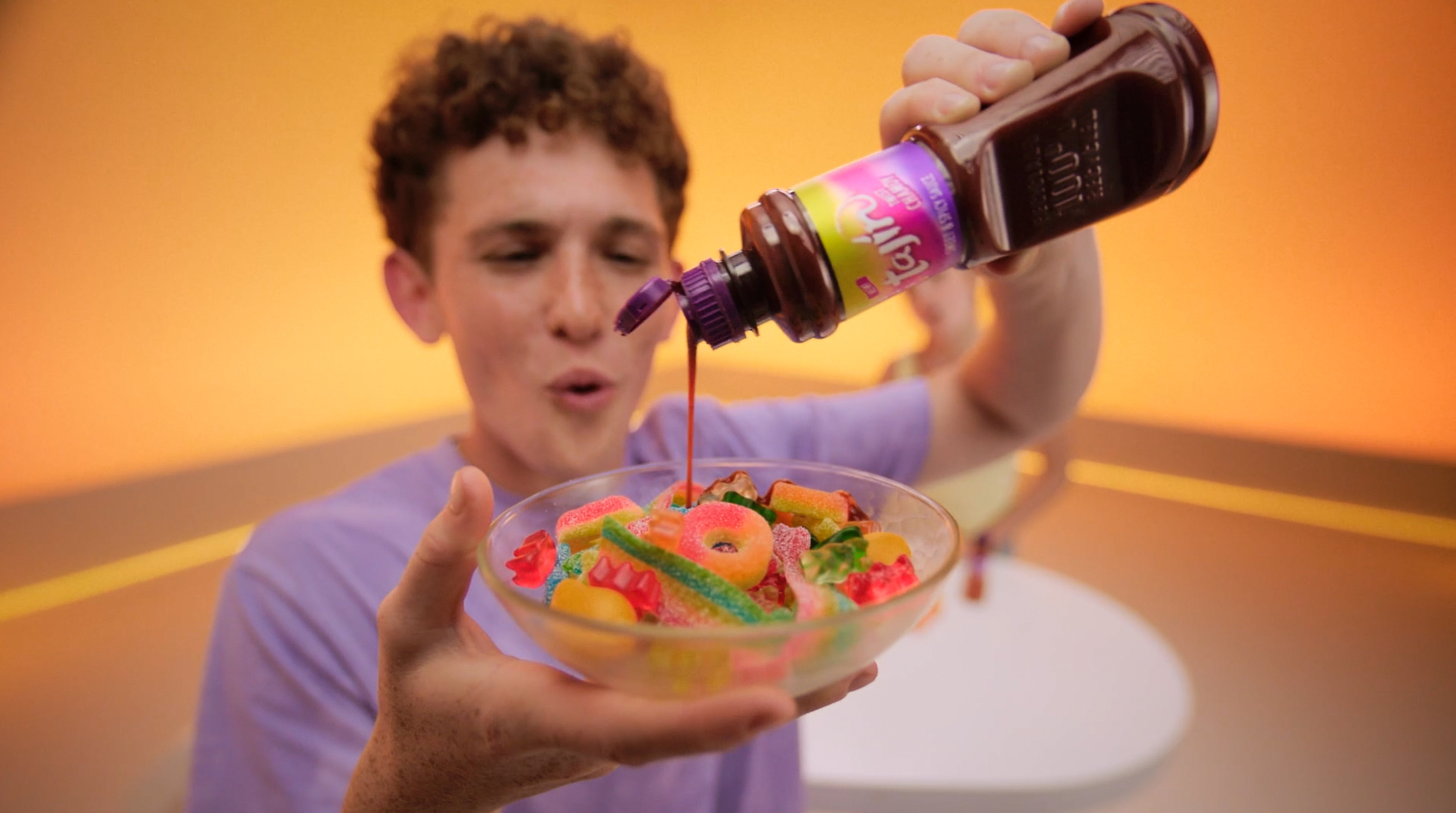
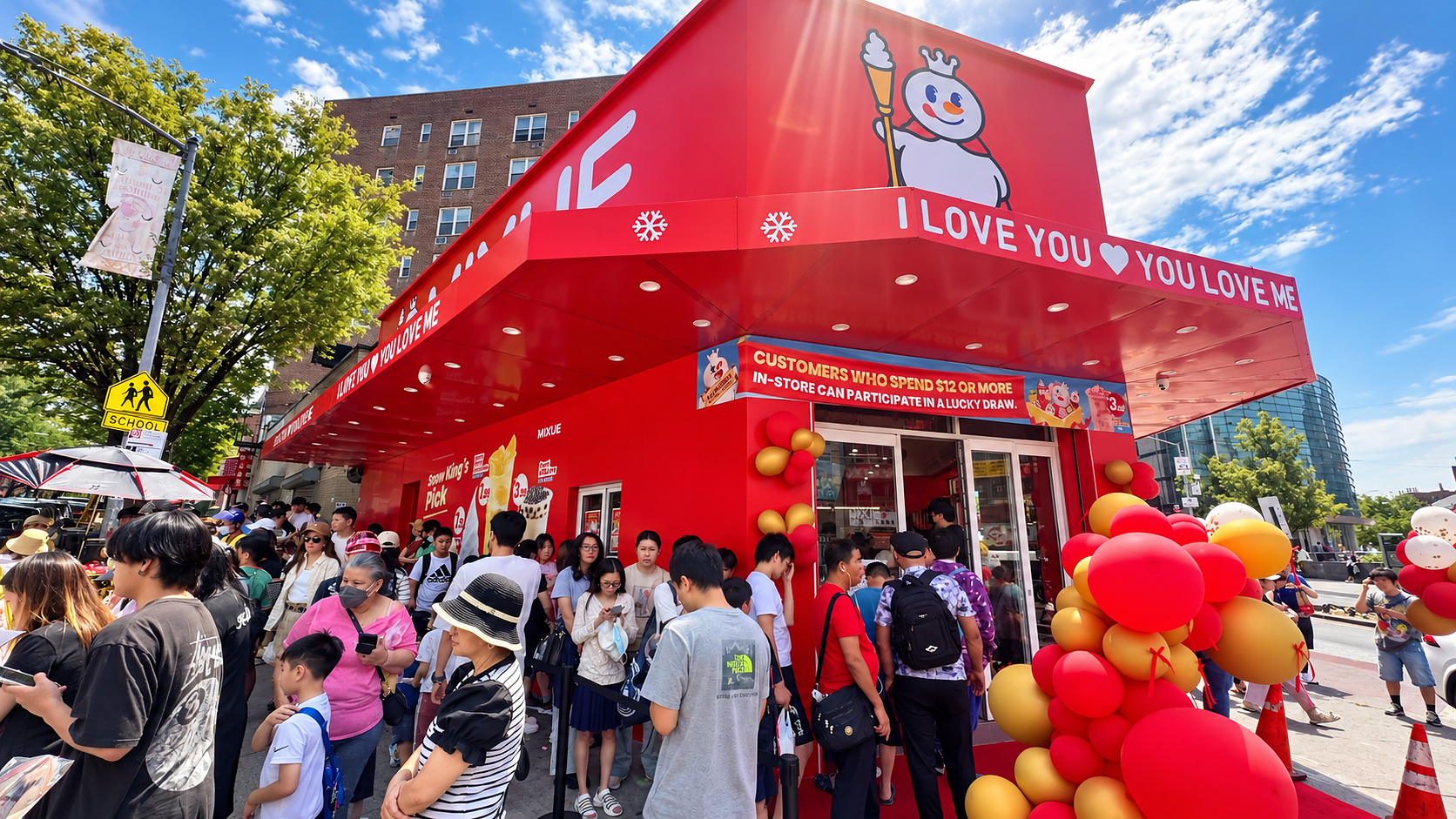
Mixue, the retail brand of Hong Kong-listed MIXUE Group (02097.HK), introduced six seasonal menu items across its U.S. store network this summer, including the domestic debut of Green Lemon Tea and Green Lemonade — the brand's most concrete product push since entering the American market. The launch has generated measurable social-media traction, with banana-format beverages such as the Banana MIXUE Shake and Creamy Banana drawing customer reviews, photos, and repeat-visit commentary online.
Market Context
The timing aligns with a structural shift in U.S. beverage consumption. The United States ranks among the world's largest tea-importing markets, and while iced tea remains the dominant retail format, demand for ready-to-drink tea, fruit-infused options, and reduced-sugar alternatives has accelerated in recent years — driven disproportionately by younger consumers who are pulling tea occasions out of breakfast and into all-day refreshment. For foodservice operators, that shift represents both a category opportunity and a margin challenge: differentiation increasingly requires frequent menu updates rather than static lineups. Mixue's six-item seasonal drop directly addresses that dynamic.
The chain positions itself as the world's largest freshly-made beverage and food operation by store count, a scale it leverages through an end-to-end supply chain spanning procurement, production, logistics, and quality control. That integrated model is the structural basis for its value pricing — a proposition the company is explicitly importing into the U.S. market, where premium bubble-tea and specialty-tea chains have conditioned consumers to pay $7 to $9 per drink. Mixue's accessible price points are designed to compress that expectation and drive higher visit frequency.
Competitive Implications
The U.S. specialty-tea segment has grown crowded, with regional chains, franchised importers from Taiwan and Southeast Asia, and domestic startups all competing for the same younger, diversity-leaning consumer base. Mixue enters with advantages that few rivals can replicate at launch: global sourcing scale, a proven franchise model tested across multiple international markets, and brand recognition it can carry from diaspora communities into mainstream retail corridors. The summer launch appears intended partly as a consumer-acquisition exercise — the company notes that new customers drawn in by limited-time items expressed interest in broader U.S. geographic expansion, a signal the brand is monitoring as it maps future store-opening targets.
The expansion roadmap for 2026 and beyond calls for additional U.S. store openings alongside continued menu innovation. For the wider quick-service beverage sector, Mixue's approach — high volume, low ticket, rapid SKU rotation — represents a direct challenge to the premium positioning that has anchored most Western tea-bar concepts. Operators and franchise investors tracking the segment will be watching whether the summer data translates into accelerated lease signings in new metro markets.
Food & Beverage Magazine (fb101.com) has previously covered the rapid international expansion of Asian freshly-made beverage chains as one of the defining foodservice trends of the mid-2020s.
Written by Michael Politz, Author of Guide to Restaurant Success: The Proven Process for Starting Any Restaurant Business From Scratch to Success (ISBN: 978-1-119-66896-1), Founder of Food & Beverage Magazine, the leading online magazine and resource in the industry. Designer of the Bluetooth logo and recognized in Entrepreneur Magazine's "Top 40 Under 40" for founding American Wholesale Floral, Politz is also the Co-founder of the Proof Awards and the CPG Awards and a partner in numerous consumer brands across the food and beverage sector.