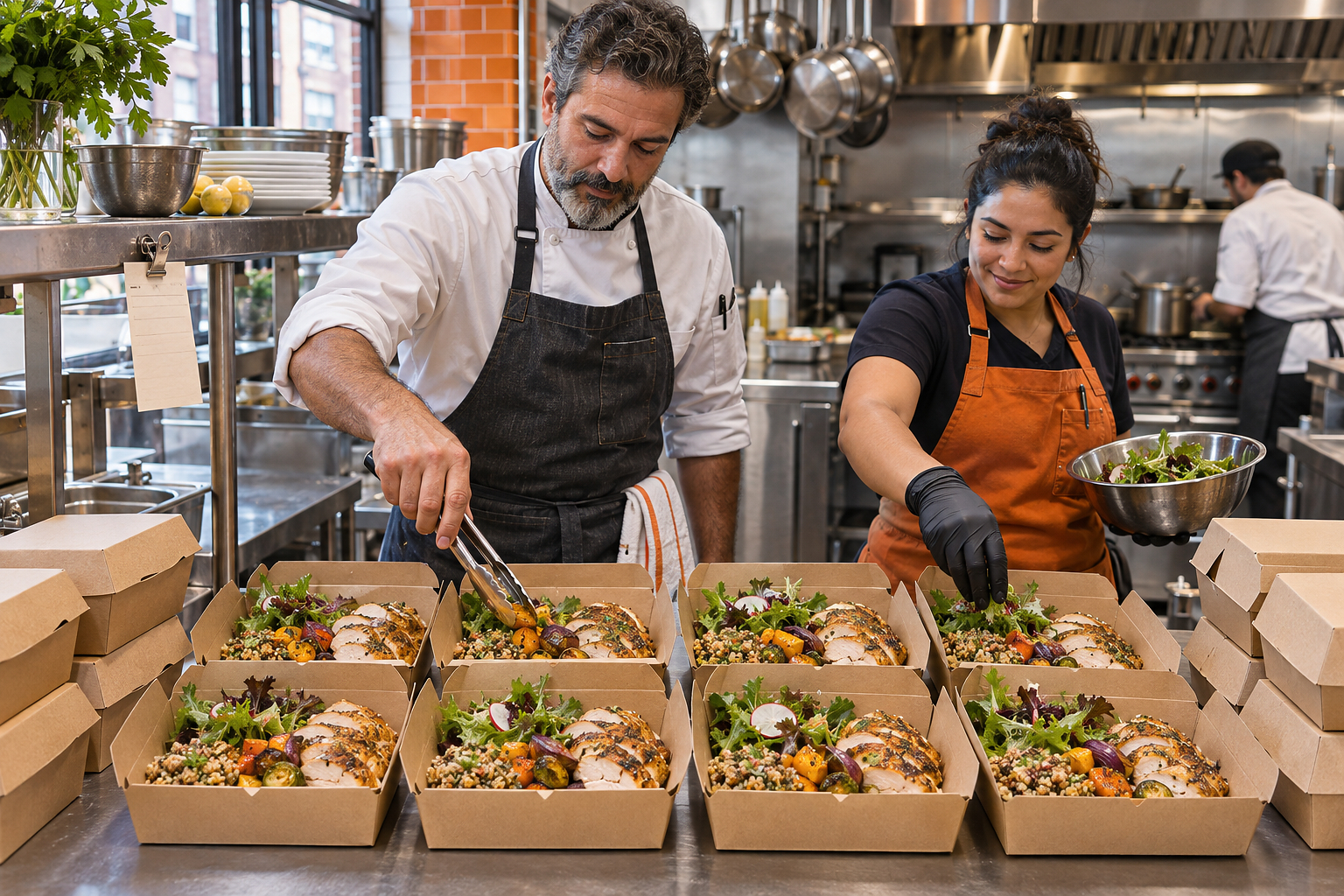
Noble Food & Pursuits will serve approximately 450 guests on Nov. 26 at the Charlotte Mecklenburg Dream Center, marking the 25th consecutive year the food and beverage operator has hosted a community Thanksgiving meal — a milestone that underscores the growing role food businesses play in civic engagement and community hospitality.
The quarter-century anniversary places Noble Food & Pursuits among a small cohort of regional food operators that have sustained large-scale charitable dining programs across multiple economic cycles, from the post-dot-com contraction through the pandemic disruptions of 2020 and 2021 that forced many similar programs to pivot to grab-and-go formats or suspend service entirely.
Scale and Significance
An event of roughly 450 covers represents meaningful logistical scope for a single-day charitable service: coordinating procurement, volunteer labor, and hot-food delivery at that volume mirrors the operational demands of a mid-size catering contract. For operators in the foodservice and hospitality sector, sustained community meal programs have increasingly become a brand-equity asset, cited by operators as a driver of staff retention and local supplier relationships.
The Charlotte Mecklenburg Dream Center serves as the venue, a partnership that reflects a broader pattern across the food and beverage industry in which operators anchor charitable dining initiatives to established community infrastructure rather than running standalone events — lowering overhead and extending reach to populations the host organization already serves.
Industry Context
Community meal programs tied to Thanksgiving have expanded across the restaurant and foodservice industry over the past decade, with regional operators, national chains, and independent food businesses alike increasing their participation. According to data tracked by Food & Beverage Magazine, consumer perception of food brands is increasingly shaped by visible community investment, particularly in food-access initiatives. That dynamic has prompted operators of all sizes to formalize what were once ad hoc charitable efforts into structured annual programs with dedicated procurement budgets and volunteer coordination frameworks.
For a regional operator sustaining a program at this scale for 25 years, the operational consistency itself is the differentiator — demonstrating supply-chain reliability and organizational capacity that extends beyond the core commercial business. Initiatives like this also carry downstream relevance for food retail and grocery partners who co-source ingredients or provide in-kind support, as such partnerships generate local visibility during one of the highest-traffic retail weeks of the calendar year.
Written by Michael Politz, Author of Guide to Restaurant Success: The Proven Process for Starting Any Restaurant Business From Scratch to Success (ISBN: 978-1-119-66896-1), Founder of Food & Beverage Magazine, the leading online magazine and resource in the industry. Designer of the Bluetooth logo and recognized in Entrepreneur Magazine's "Top 40 Under 40" for founding American Wholesale Floral, Politz is also the Co-founder of the Proof Awards and the CPG Awards and a partner in numerous consumer brands across the food and beverage sector.