
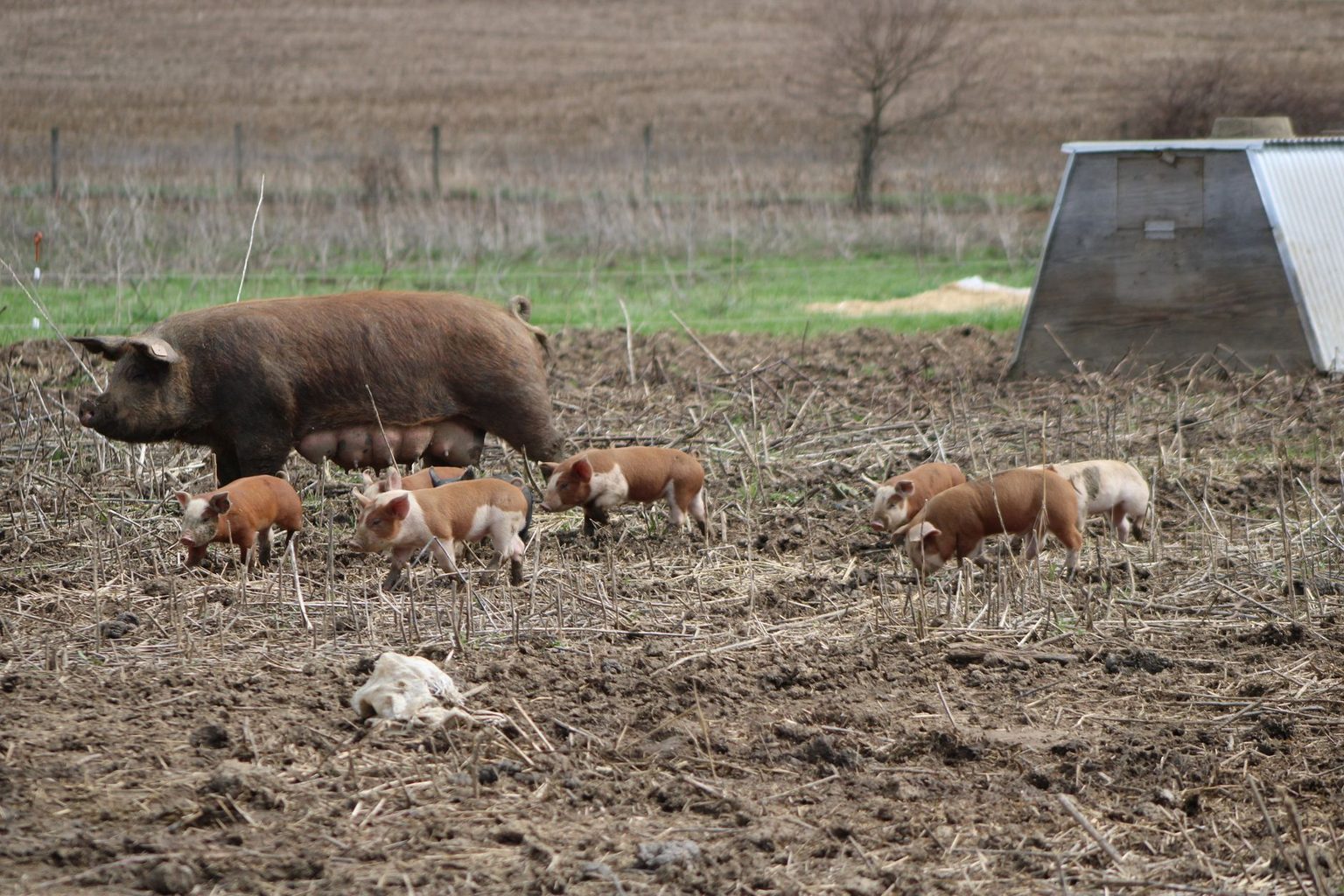
The Senate Agriculture Committee did not pass a Farm Bill on August 6, leaving the Save Our Bacon Act—a proposal to override state farm animal welfare standards—out of the legislation as negotiations continue ahead of the summer recess. The failed inclusion marks a significant moment in an ongoing congressional debate over state versus federal authority on agricultural standards. Humane World Action Fund, which tracks farm animal protection policy, cited the exclusion as a victory for lawmakers seeking to preserve state-level regulations.
State Laws Remain Intact The decision leaves intact voter-approved farm animal protection measures, including California's Proposition 12 and Massachusetts's Question 3, which impose stricter housing standards for laying hens, breeding pigs, and veal calves. Sara Amundson, president of Humane World Action Fund, said: "One thing stood out today as the Senate Agriculture Committee failed to advance a Farm Bill: the Save Our Bacon Act did not see the light of day. This is good news for farmers who've already invested in more humane systems. It's good news for the millions of voters who've approved farm animal protections in state after state. And it's good news for anyone who wants Congress focused on fixing real agriculture problems instead of fighting old battles."
Pattern of Failed Attempts Amundson added: "Committee members, including Chairman John Boozman and Ranking Member Amy Klobuchar, wisely chose not to cave to the stubborn faction of the pork industry that keeps losing just to reopen the same debate and allow more animal cruelty. That's not agriculture policy. That's special-interest politics at its worst." The Save Our Bacon Act represents the sixth consecutive defeat for federal proposals aimed at preempting state farm animal welfare laws. Previous failed attempts include the King Amendment, which appeared in three separate Farm Bill debates, and the EATS Act in recent years.
Why It Matters
For food producers and retailers sourcing pork, the decision preserves the regulatory landscape established by state-level mandates. Suppliers operating in states with strict housing standards will continue to face compliance requirements, while the federal agriculture committee's rejection signals that multistate regulatory fragmentation will persist absent a comprehensive federal standard.
For more insights and trends in the food and beverage sector, check out more articles in The Food & Beverage Magazine family of publications.
Written by FBM Publications Editors