
The Pilot
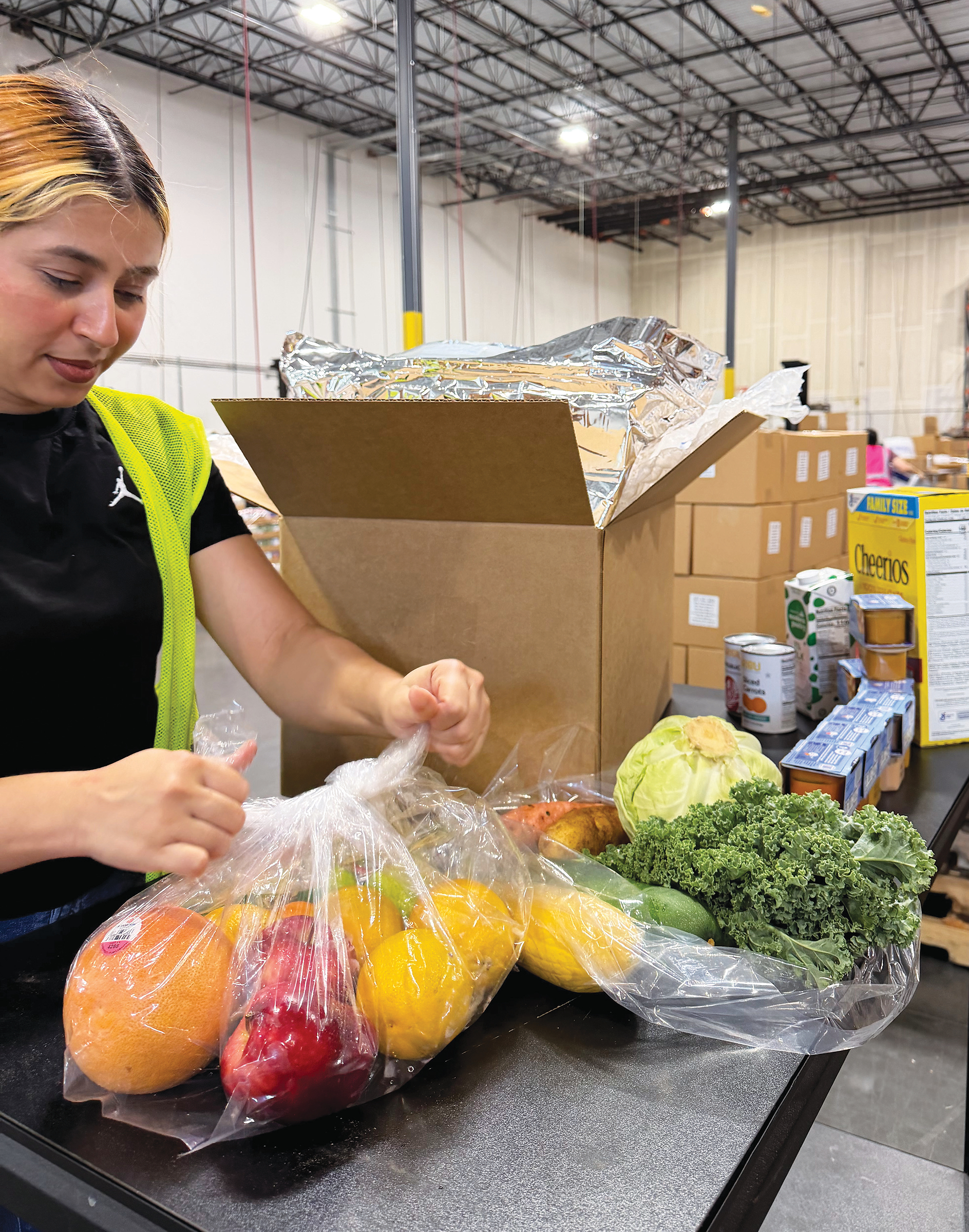
Umoja Health and JPMA have launched a pilot program allowing participants in the federal Special Supplemental Nutrition Program for Women, Infants and Children (WIC) to shop for eligible groceries online and receive home delivery — a structural departure from a benefit-redemption model that has historically required in-person store visits and PIN entry at the register. The pilot is being run in partnership with The Chickasaw Nation WIC Program.
Powered by JPMA's WICShopper Online platform, the solution lets participants browse WIC-approved foods, build an order, redeem benefits electronically, and schedule delivery to their door. The model directly targets families who face transportation constraints, limited mobility, or geographic distance from brick-and-mortar WIC-authorized retailers — barriers that advocates have long identified as among the most persistent equity gaps in food-assistance program access.
Market Context
The scale of the addressable population is substantial. According to the U.S. Department of Agriculture's Economic Research Service, WIC served approximately 6.8 million participants per month in fiscal year 2025, including an estimated 41% of all infants in the United States. The program covers pregnant, breastfeeding, and postpartum individuals and children up to age five who are at nutritional risk. Even marginal improvements in redemption convenience and participation rates carry significant implications for food retailers and distributors operating in the WIC-authorized channel.
JPMA's WICShopper app is already embedded across 36 state agencies and Indian Tribal Organizations, with more than 1.4 million families using it roughly 7 million times per month for in-store shopping assistance. The online-delivery extension aims to carry that installed base into e-commerce food access — a channel that has become standard for mainstream grocery consumers but has remained largely unavailable to WIC households under traditional program rules.
"Online grocery shopping has become commonplace, and WIC participants deserve access to the same convenient shopping options available to other consumers," said Heidi Staats, Director of WIC Innovation and Partnerships at Umoja Health. The platform is also designed to create new revenue pathways for small, independent, minority-owned, and tribal retailers seeking WIC authorization in an online fulfillment context.
What's Next
The Chickasaw Nation pilot represents an early proof-of-concept for a model that Umoja Health and JPMA may look to replicate across additional state agencies and tribal organizations. Ryan Magee, President of JPMA, framed the expansion as a logical extension of WICShopper's existing trust equity: "By extending the experience to online ordering and home delivery, we're clearing the way for families to access the full nutritional benefits WIC provides."
For food retailers and distributors tracking the WIC channel, the pilot signals a potential structural shift in how federally authorized food benefits are redeemed — one that could reshape fulfillment economics, authorized-retailer qualification criteria, and last-mile logistics requirements over the medium term. F&B Industry News has previously covered the growing role of technology in food-access programs and last-mile delivery economics in underserved markets.
Written by Michael Politz, Author of Guide to Restaurant Success: The Proven Process for Starting Any Restaurant Business From Scratch to Success (ISBN: 978-1-119-66896-1), Founder of Food & Beverage Magazine, the leading online magazine and resource in the industry. Designer of the Bluetooth logo and recognized in Entrepreneur Magazine's "Top 40 Under 40" for founding American Wholesale Floral, Politz is also the Co-founder of the Proof Awards and the CPG Awards and a partner in numerous consumer brands across the food and beverage sector.