The Event
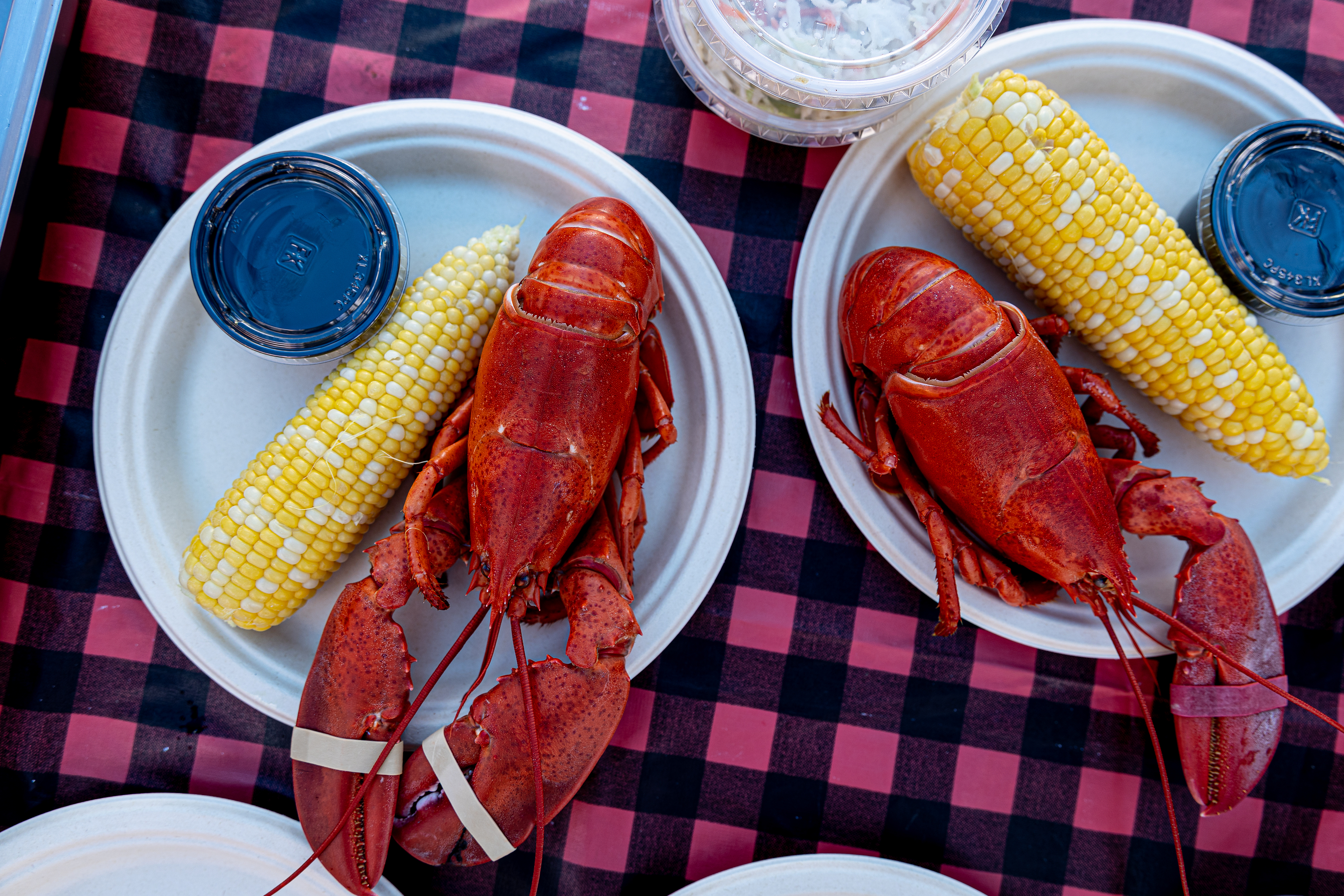
Woodlife Farm Market, a family-owned farm destination in New Lebanon, New York, will host its Fourth Annual Lobster Fest on Saturday, Aug. 8, running noon to 6 p.m. Lobster plates are priced at $35 plus tax and include one whole fresh Maine lobster, coleslaw, potato salad, and corn on the cob. Tickets must be purchased by noon on Aug. 5 — no orders will be accepted after the deadline.
Ticket Structure and Revenue Model
The advance-purchase requirement is a deliberate supply-management mechanism common to farm-event operators managing perishable protein at scale. Plates can be secured in person at the market, by phone, or through Eventbrite, giving the farm multiple purchase channels while capping procurement risk. Guests not buying a lobster plate may attend free of charge. The Woodlife Kitchen will separately serve burgers, hot dogs, and barbecue chicken throughout the day, alongside alcoholic and nonalcoholic beverages — a secondary revenue stream that broadens per-head spend beyond the lobster ticket.
Emily Gamble, General Manager of Woodlife Farm Market, said lobsters sold out quickly at last year's edition and urged early ticket purchases. The event doubles as an end-of-summer draw timed to the period just before the back-to-school calendar tightens family availability — a window that farm-market operators across the Northeast have increasingly monetized through ticketed dining experiences.
Broader Farm-Event Context
Ticketed farm dining has emerged as a meaningful revenue diversifier for independent agricultural retailers facing margin pressure from larger grocery chains. Events that bundle fresh protein — lobster, whole-animal barbecue, raw-bar formats — with live entertainment and outdoor access have demonstrated strong repeat attendance and social-media amplification, effectively lowering customer-acquisition costs. Woodlife's pairing of a $35 lobster plate with live music from Just N Kace (2 to 5 p.m.) follows a format that food and beverage operators nationwide have deployed to drive loyalty among local and regional audiences.
The farm's broader offering — pick-your-own produce, orchards, a deli, meats and seafood counter, catering services, and forest products — positions Lobster Fest as a brand-awareness vehicle as much as a single-day revenue event. New trails on the property, highlighted in the event promotion, suggest ongoing capital investment in the farm's experiential footprint, a trend tracked closely by agritourism and foodservice operators seeking ways to extend dwell time and ancillary spend per visitor.
For farm markets navigating the competitive Berkshires tourism corridor, events of this scale also serve as wholesale relationship signals — demonstrating consistent demand that supports forward contracts with seafood suppliers. The Maine lobster supply chain has faced volatility in recent years, making guaranteed advance-ticket volumes a practical hedge for operators sourcing live product. Regional farm-market event strategies continue to evolve as operators balance food-cost exposure against experiential pricing power.
Written by Michael Politz, Author of Guide to Restaurant Success: The Proven Process for Starting Any Restaurant Business From Scratch to Success (ISBN: 978-1-119-66896-1), Founder of Food & Beverage Magazine, the leading online magazine and resource in the industry. Designer of the Bluetooth logo and recognized in Entrepreneur Magazine's "Top 40 Under 40" for founding American Wholesale Floral, Politz is also the Co-founder of the Proof Awards and the CPG Awards and a partner in numerous consumer brands across the food and beverage sector.