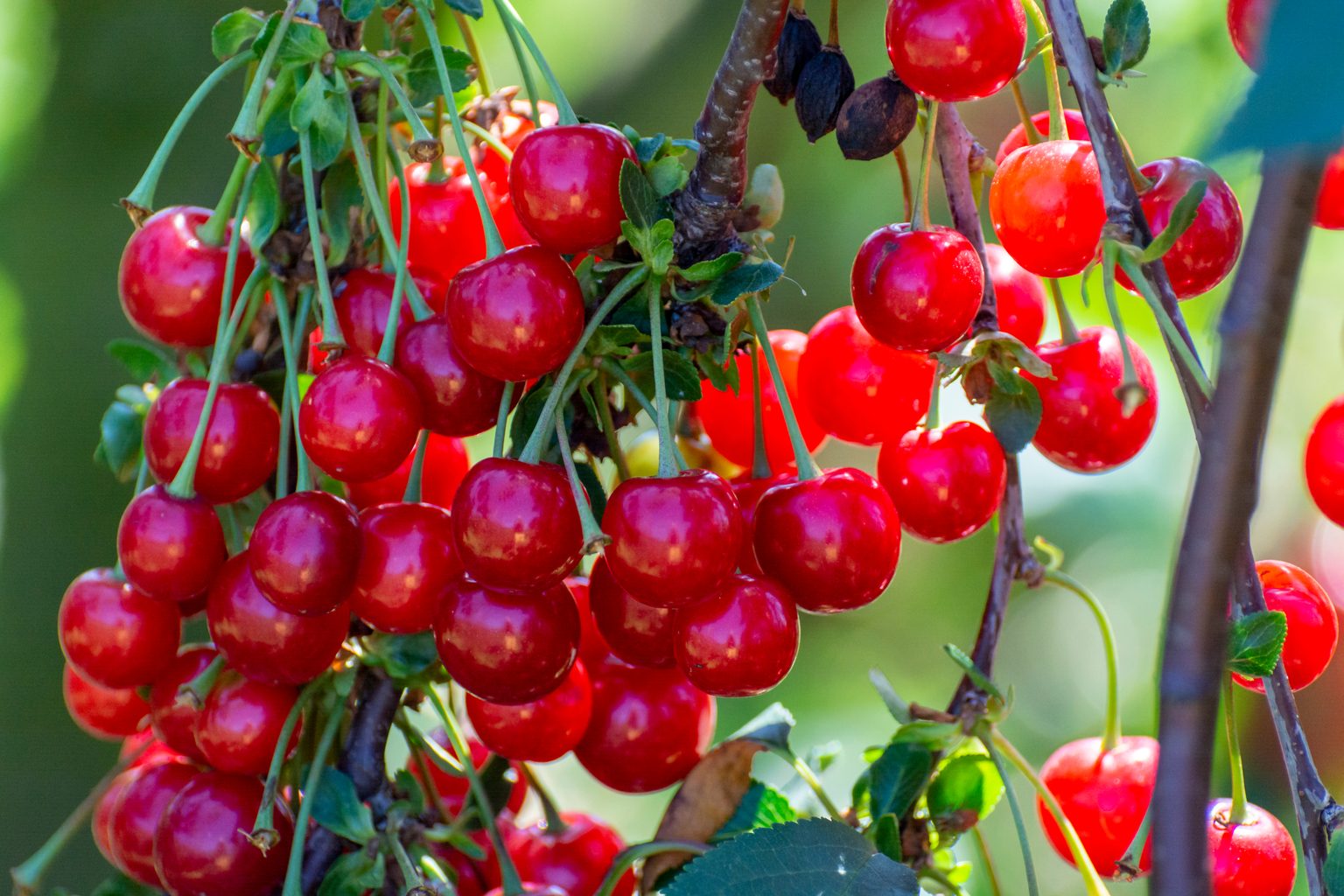
Today's foodservice operators face pressure to expand margins while managing complexity. Tart cherries offer a rare strategic advantage: a single, domestically sourced ingredient that performs across dayparts, supports premium positioning, reduces SKU burden, and aligns with evolving consumer demand for functional and locally rooted products. Nearly all U.S. tart cherries are Montmorency—ensuring consistency in flavor, color, and performance that operators can depend on across standardized and creative applications.
Operational Efficiency Across Dayparts
Unlike most fruit categories, tart cherries work profitably across breakfast, lunch, dinner, and beverage service without requiring separate procurement strategies. Available in dried, frozen, juice, concentrate, and canned formats, they eliminate the operational friction of seasonal sourcing and spoilage risk. This format diversity lets culinary teams standardize on one ingredient while varying execution—simplifying purchasing, reducing inventory complexity, and extending menu rotation without increasing supplier relationships.
- Dried tart cherries add concentrated flavor and texture to salads, trail mixes, cookies, bars, and grain bowls with minimal prep.
- Frozen fruit delivers consistent quality for sauces, desserts, and blended drinks year-round, eliminating seasonal menu constraints.
- Juices and concentrates integrate seamlessly into dressings, reductions, marinades, batters, and beverage builds, maximizing throughput during peak service.
- Canned tart cherries offer ready-to-use applications for high-volume, high-pressure windows, reducing labor cost per plate.
Flavor Architecture That Supports Premium Positioning
Consumer palate preferences are shifting toward bolder, more complex flavor profiles—sour, salty, spicy, fermented, and umami-rich notes that justify higher price points. Tart cherries function as a connector ingredient, adding balance and sophistication to dishes built on gochujang, chili crisp, global spice blends, and smoked elements. Their natural sweet-tart profile cuts through rich foods, sharpens sugary items, and adds a modern, fruit-forward signature that guests recognize and remember.
From savory applications—glazes on premium proteins, relishes on roasted vegetables, and pan sauces on slow-cooked meats—to desserts and cocktails, tart cherries elevate familiar dishes while supporting creative reinterpretation. This flexibility allows operators to build distinctive menus that command premium pricing without requiring extensive culinary retooling.
Functional Positioning Without Complexity
Guests increasingly seek better-for-you offerings that align with wellness goals. Montmorency tart cherries contain anthocyanins, natural compounds linked to antioxidant activity and deep red color. This functional halo allows operators to position menu items as simultaneously flavorful and health-conscious—a grain bowl with roasted vegetables and tart cherry relish, a salmon entrée with tart cherry glaze, or a signature mocktail built on tart cherry juice—without adding ingredient complexity or cost premiums that cut into margins.
Local Sourcing as a Competitive and Margin Driver
Tart cherry orchards across Michigan, Utah, Washington, Wisconsin, New York, Pennsylvania, and Oregon offer genuine regional stories that resonate with both operators seeking local partnerships and diners influenced by origin narratives. Listing "U.S.-grown Montmorency tart cherries" on menus converts a commodity fruit into a featured, traceable ingredient—supporting menu authenticity, supply chain resilience, and local marketing positioning that builds guest loyalty.
Visual Differentiation in a Social Media Environment
Tart cherries deliver deep red color that creates immediate visual contrast on the plate—brightening salads, standing out against charred meat, adding drama to pale grains and creamy cheeses. In an environment where diners evaluate menu appeal through social media before ordering, this visual signature drives trial and shareability, reducing the need for costly plating techniques or color additives.
Differentiation Within Familiarity
Most guests already know tart cherries from pies, juices, and preserves—creating consumer comfort and reducing education burden at point of sale. Simultaneously, tart cherries remain underutilized in savory, global, and functional applications, giving operators clear room to differentiate. A sticky wing sauce, a bright lamb glaze, a grain bowl centerpiece, or a modern chocolate dessert with sea salt each position tart cherries as both approachable and unexpected.
Building the Business Case
Tart cherries align with the core drivers of modern foodservice strategy: operational simplification through multi-format availability, premium pricing support through flavor architecture and functional positioning, margin protection through domestic sourcing and year-round availability, and brand differentiation through authentic storytelling and visual impact. For operations looking to expand menu reach, reduce SKU complexity, and defend margins against commoditization, tart cherries deserve procurement and menu development priority.
To evaluate U.S.-grown tart cherry products, formats, and menu integration strategies, connect with the Cherry Industry Administrative Board. Visit choosecherries.com to access sourcing resources, culinary inspiration, and tools to bring tart cherries into retail, foodservice, and hospitality menus.