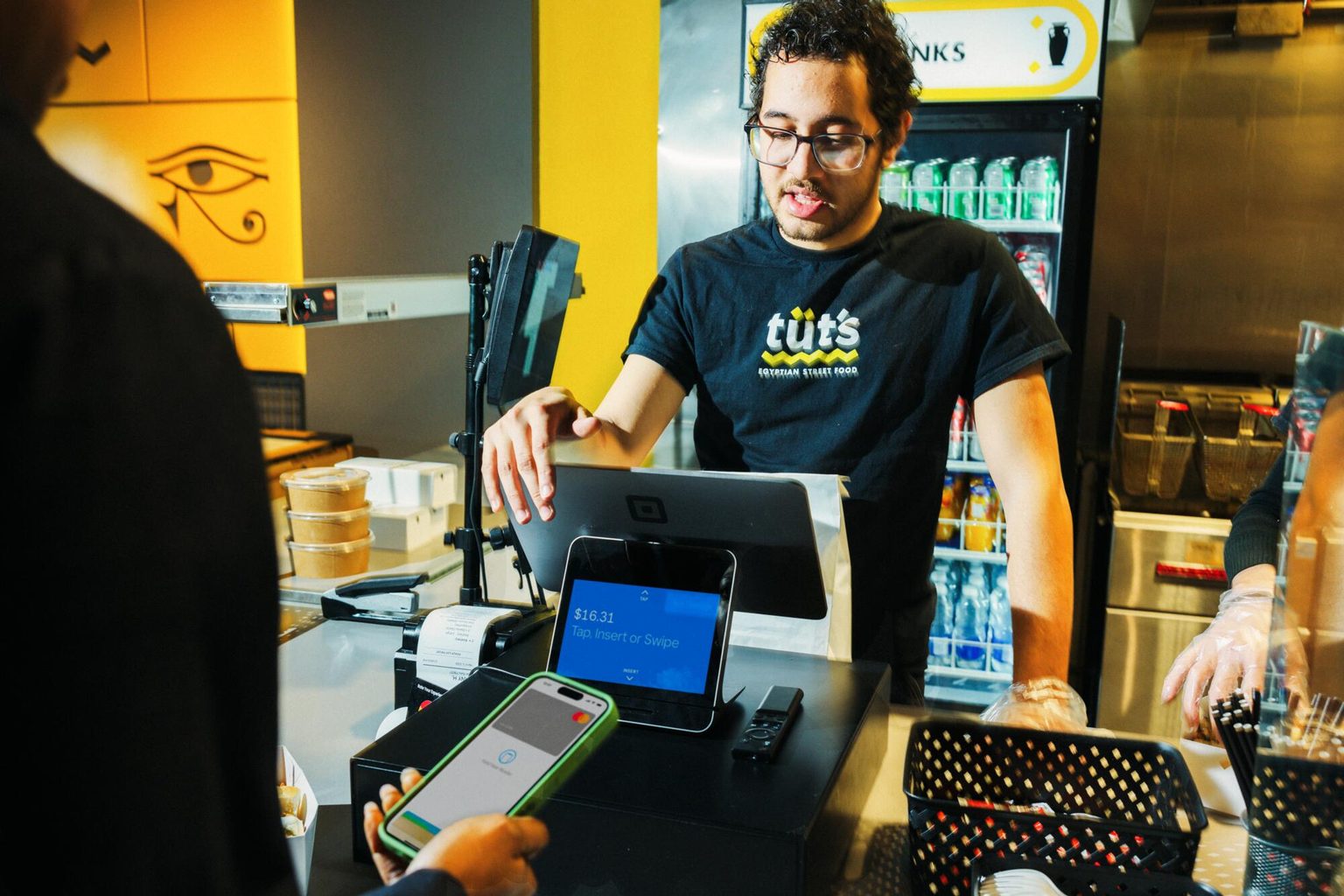

Canada's hospitality operators face a strategic crossroads. Rising labor costs, regional market complexity, digital consumer behavior, and the demands of omnichannel commerce are forcing a fundamental rethinking of technology infrastructure. The competitive advantage no longer belongs to the largest chains—it belongs to the most operationally sophisticated. For a growing number of decision-makers, that sophistication is built on a unified commerce platform.
Square has positioned itself as the critical infrastructure partner enabling that operational transformation across Canadian hospitality.
What began as a mobile payment solution has evolved into an enterprise-class ecosystem addressing the core business challenges facing restaurant groups, café networks, and independent operators. In Canada's increasingly complex operating environment—shaped by regulatory demands, labor pressures, and shifting consumer expectations—Square's unified approach to payments, inventory, payroll, reporting, and customer engagement is fundamentally changing how hospitality businesses think about technology investment and operational strategy.
The Strategic Case for Unified Operations
For hospitality executives managing multi-unit operations or rapid growth, fragmented systems represent operational drag and margin leakage. Legacy point-of-sale environments, disconnected online ordering platforms, separate inventory systems, and isolated customer data create visibility gaps that make informed decision-making impossible. Square's integrated platform consolidates these functions within a single ecosystem, allowing operators to maintain centralized oversight across all revenue channels—whether dine-in, delivery, retail, or curbside pickup.
This operational cohesion directly impacts the bottom line. Real-time reporting, unified customer insights, centralized inventory tracking, and integrated payroll visibility eliminate the manual reconciliation and data silos that consume management time and create margin risk. For multi-location operators, this translates to consistent brand execution and the ability to scale without proportional increases in operational overhead.
Democratizing Enterprise Capability for Mid-Market Growth
Historically, sophisticated commerce infrastructure required the resources and technical expertise of large enterprise operations. Square has fundamentally shifted that equation by prioritizing intuitive design, transparent pricing, and simplified implementation. Independent operators and emerging hospitality brands can now access technology capabilities that previously required dedicated IT teams and substantial capital investment.
For Canada's entrepreneurial hospitality sector—where neighborhood concepts and emerging regional brands increasingly compete for market share—this democratization represents significant strategic advantage. Smaller operators can now execute sophisticated omnichannel strategies, deploy data-driven decision-making, and scale operations with the same technological sophistication as large competitors.
The design philosophy matters strategically. Hardware that mirrors consumer technology rather than traditional point-of-sale systems simplifies staff onboarding and reduces training friction. Software built for usability rather than complexity allows operators to access real-time insights on menu performance, staffing efficiency, inventory dynamics, and customer behavior without requiring advanced technical expertise. In an industry facing persistent labor challenges and high staff turnover, systems that simplify workflows directly reduce operational burden and improve execution consistency.
Converting Data Into Competitive Strategy
Beyond transaction processing, Square's ecosystem increasingly serves as a business intelligence platform. Predictive analytics tied to sales patterns, customer behavior, staffing optimization, and local market trends allow operators to shift from reactive management to proactive strategy. For hospitality businesses operating on thin margins, access to real-time operational intelligence fundamentally changes decision velocity and accuracy.
This capability is particularly valuable as artificial intelligence and automation become more embedded in hospitality operations. Operators can now optimize staffing levels, forecast demand, identify high-margin menu opportunities, and adjust pricing strategy based on actual market data rather than historical assumptions. That level of analytical insight is becoming table stakes for competitive hospitality operators.
Building Scalability Without Compromise
For emerging Canadian hospitality brands pursuing aggressive growth, technology decisions directly impact whether expansion strengthens or dilutes operational quality. Growth historically required operational trade-offs: more locations created complexity, fragmented systems, and inconsistent customer experience. Square's unified model allows hospitality brands to expand across multiple units while maintaining centralized visibility, consistent brand execution, and improved profitability at scale.
This matters strategically for brands seeking acquisition interest or private equity backing. Scalable, unified technology infrastructure is increasingly a valuation driver and operational efficiency metric that investors evaluate closely. Operators demonstrating the ability to grow while maintaining or improving unit economics—enabled by integrated systems rather than fragmented tools—command premium consideration in M&A discussions.
The company's operational specificity also matters. Features engineered around hospitality realities—integrated online ordering, kitchen workflow optimization, order pacing management, tipping integration, and menu modification tracking—demonstrate deep industry understanding rather than generic retail assumptions. For operators evaluating technology partners, that hospitality-first design reflects a vendor that understands the specific operational challenges of the business.
Reliability as Competitive Infrastructure
In hospitality, technology failures are not inconveniences. They interrupt service, disrupt revenue capture, and damage guest experience. Operators require systems that function with absolute reliability. Square's emphasis on stability and performance consistency has become a material factor in its growing influence among Canadian hospitality decision-makers. For multi-unit operators where a platform failure impacts dozens of locations simultaneously, that reliability translates directly to business continuity and risk mitigation.
Redefining Technology as Strategic Enabler
The broader significance of Square's market position reflects a fundamental shift in how hospitality executives think about technology investment. Commerce infrastructure is no longer viewed as isolated utilities but as foundational business ecosystems that influence growth, customer relationships, operational efficiency, and competitive positioning. Operators increasingly understand that technology choices directly shape business strategy, scalability, and long-term resilience.
Modern hospitality brands exist simultaneously across physical and digital spaces. They require infrastructure capable of supporting omnichannel customer experiences, evolving market demands, and increasingly sophisticated data-driven decision-making. Square's ecosystem directly aligns with that operational reality.
As Canada's hospitality market continues to mature, competitive advantage will belong to operators who balance operational sophistication with authentic guest experience. They need technology partners who understand both innovation and the fundamental realities of hospitality business. By providing unified infrastructure, enabling mid-market operators to compete with enterprise-level sophistication, and continuously evolving capabilities alongside industry demands, Square has positioned itself as a critical strategic partner for hospitality decision-makers pursuing sustainable growth and operational excellence.