As the beverage industry enters its peak seasonal demand period, distributors and venue operators face critical decisions on portfolio composition and product selection. The June 2026 market snapshot reveals a diverse opportunity landscape spanning traditional wine categories, spirits, and the rapidly growing ready-to-drink and no/low-alcohol segments—each representing distinct consumer trends and margin opportunities.
Wine Portfolio Expansion Across Regions
The wine selection reflects geographic diversification critical for forward-thinking operators seeking to balance premium positioning with market accessibility. The portfolio spans: Somnium's Napa Cabernet and Danica Rosé, Black Star Farms' Michigan Pinot Noir, Gershon Bachus Vintners' Erato Cabernet Franc, Pinino's Brunello di Montalcino, Puerta del Abra's Albariño, Nangkita's South Australian Cabernet, Wilson Creek's Almond Sparkling, and SOTO Junmai Ginjo sake. This breadth enables venues to address diverse consumer preferences while managing procurement complexity and competing against alternative beverage categories.
Spirits: Craftsmanship and Brand Positioning
The spirits segment underscores the industry's continued emphasis on craft production and differentiation. Key selections include West End Gin and its Rose Ann Edition, La Sirena Reposado, Sweetens Cove's Father's Finish bourbon, Rabbit Hole's Dareringer, Crystal Head's Onyx vodka, and Skrewball whiskey. Each represents investment in heritage and production storytelling—factors that influence both on-premise drink pricing power and retail shelf presence.
Growth Segments: RTD and No/Low Category Traction
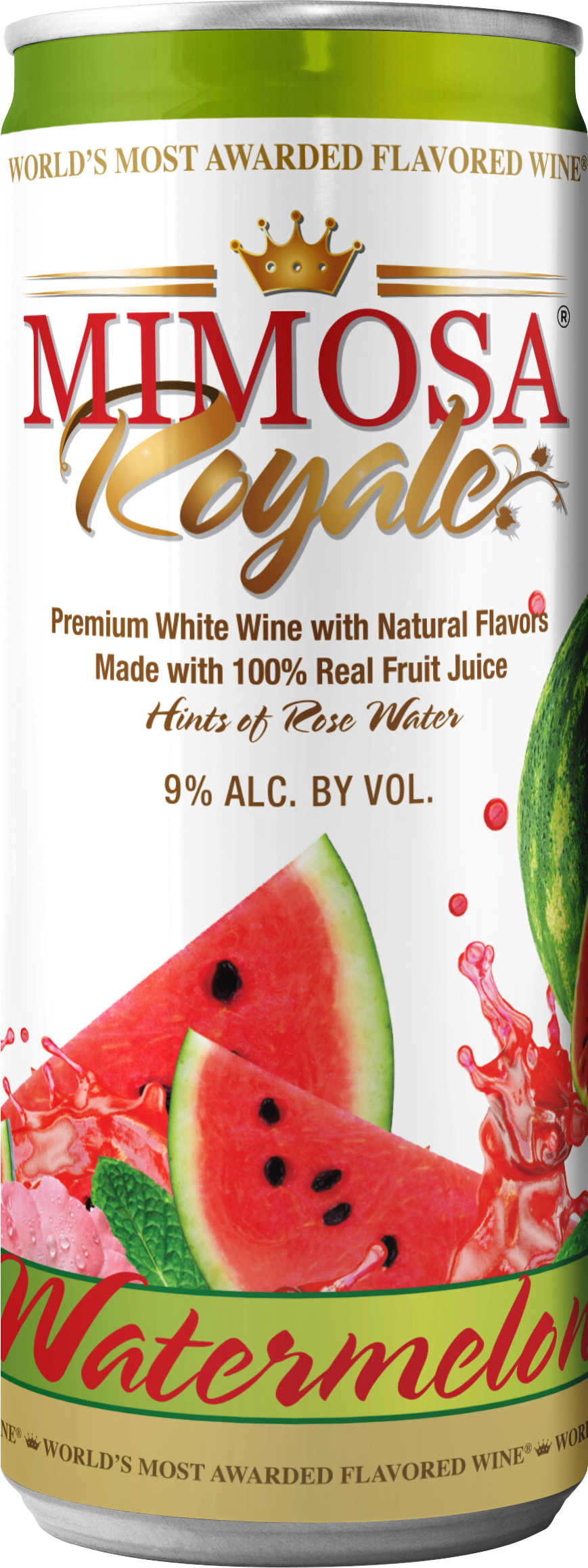
Perhaps most strategically significant is the expansion of ready-to-drink and alcohol-free offerings, signaling market demand beyond traditional consumption occasions. Mimosa Royale's six-variant mimosa lineup, SpikedAde, Gigli, Mingle Mocktails, Dr Zero Zero's AperZero, and ANGOSTURA's Spicy Honey Syrup represent nascent revenue streams with favorable logistics profiles, longer shelf life, and reduced training overhead versus craft cocktail programs.
These selections emphasize craftsmanship, brand character, and strategic positioning—the foundational elements driving purchase decisions for summer service planning and seasonal programming.