Velas Resorts has executed a decisive strategic shift: positioning world-class gastronomy as a core business differentiator rather than a supporting amenity. The luxury hospitality group's decision to invest heavily in culinary programming—culminating in Michelin recognition for Cocina de Autor in Los Cabos—represents a fundamental repositioning within the competitive landscape of luxury resort hospitality. By competing at the highest levels of contemporary fine dining, the company has elevated guest value proposition and created a defensible competitive moat that extends well beyond traditional hospitality metrics.
The recent exclusive dining engagement at Grand Velas Riviera Nayarit, where the Michelin-starred team from Cocina de Autor Los Cabos took over the Piaf restaurant, served as a strategic proof point: demonstrating the scalability and portability of the company's culinary model across its resort portfolio. This expansion strategy—leveraging flagship culinary expertise across multiple properties—maximizes return on culinary investment while reinforcing brand coherence and premium positioning in Puerto Vallarta and beyond.
Building a Differentiated Brand Narrative
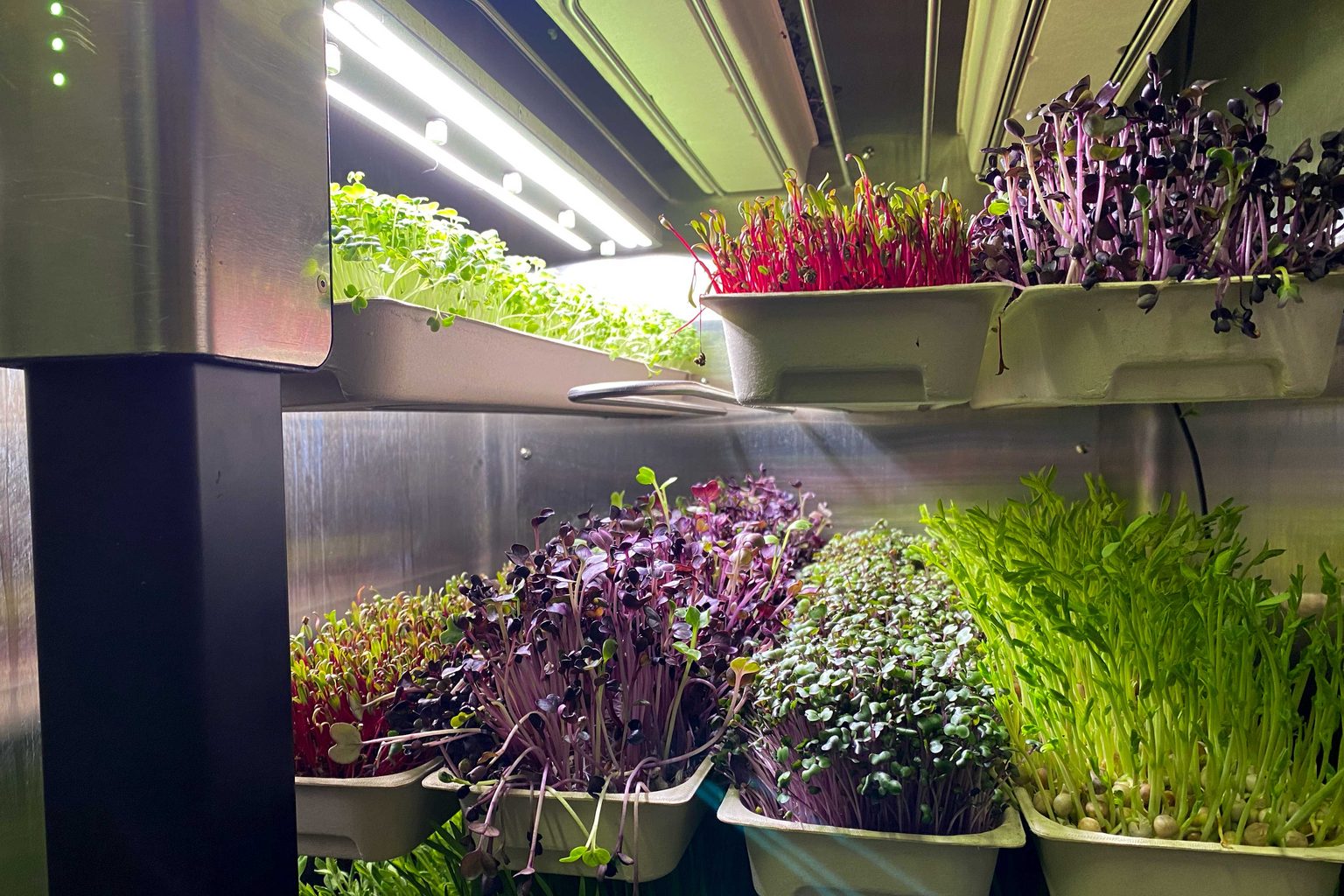
The Michelin-starred leadership philosophy underlying Cocina de Autor centers on a deliberate curation strategy: interpreting Mexican ingredients through a contemporary global lens while maintaining deep connection to agricultural traditions and culinary heritage. This positioning addresses a critical market opportunity. In an industry where food programs are often positioned as supporting amenities, Velas Resorts has invested in creating restaurants capable of standing on their own merits within the global fine-dining conversation, thereby attracting culinary-focused travelers and justifying premium pricing strategies.
The menu progression demonstrated the operational sophistication required to maintain this positioning. Dishes such as escamoles paired with avocado, habanero, cilantro, and corn masa; Royal Osetra caviar with blue abalone, cauliflower, kaffir lime, and crème fraîche; and bluefin tuna with hoja santa, manzano chile, cured radish, and nixtamal reflected a disciplined approach to ingredient-driven storytelling. The accompanying wine pairings from Casa Madero further demonstrated the integration of culinary and beverage strategies as unified revenue and positioning drivers.
Strategic Competitive Advantage in Market Segmentation
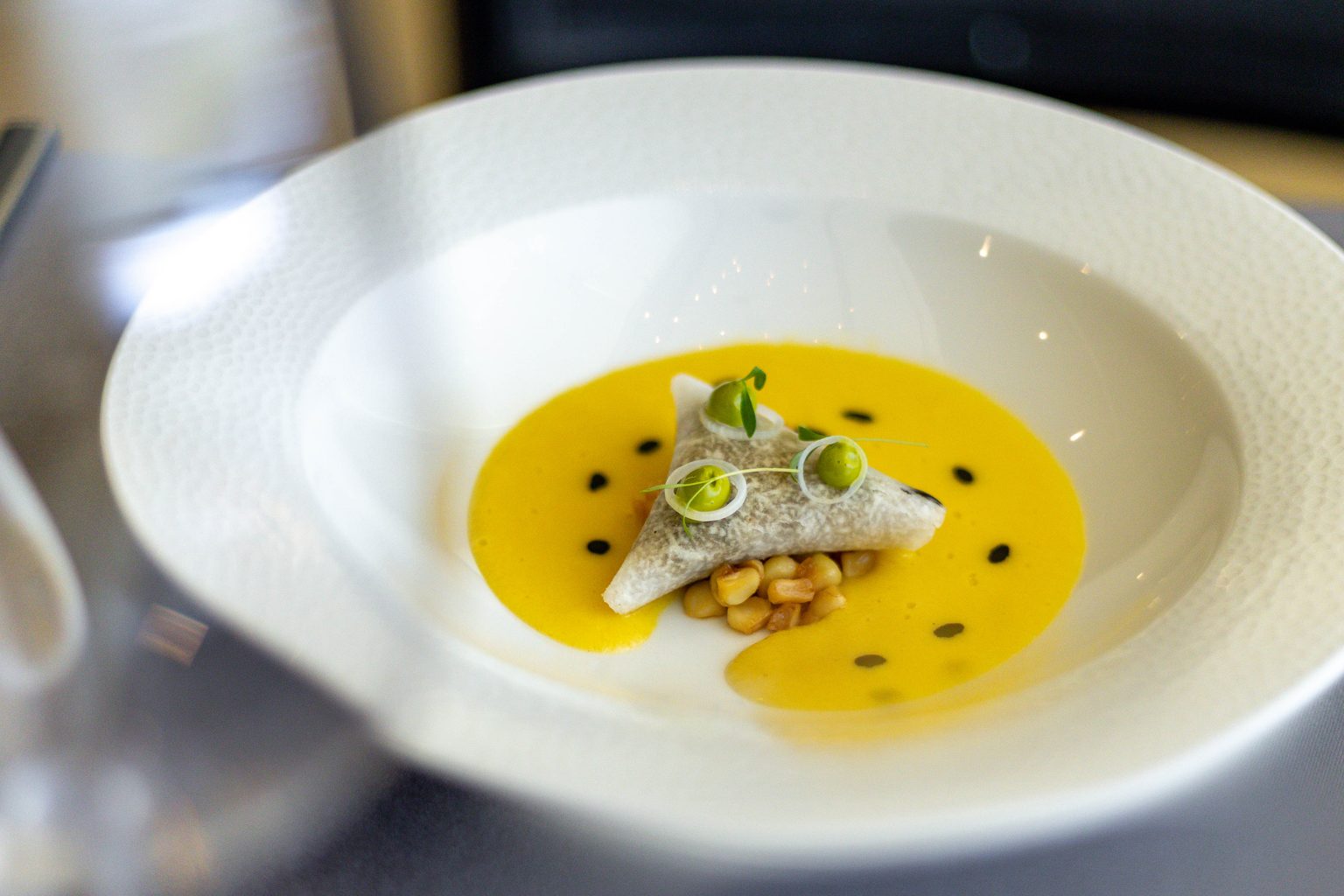
The evening's progression through courses including yellow corn velouté with shiitake mushroom, pecan, and jicama; wagyu tartare; and triple-seared Angus tenderloin underscored a deeper organizational commitment: positioning Mexican culinary traditions as a source of competitive differentiation rather than cultural context. This approach opens new market segments—affluent travelers seeking authentic cultural experiences combined with technical culinary excellence—while commanding premium rates that enhance overall resort economics.
The strategic implications extend beyond individual properties. By establishing Michelin-credentialed culinary leadership at the flagship property and systematically expanding that expertise across the resort portfolio—as evidenced by the Piaf takeover—Velas Resorts has created a scalable model for culinary-driven hospitality. This positions the company to capture growing demand among experience-focused luxury travelers while building lasting brand equity in a competitive market where experiential differentiation increasingly drives purchasing decisions and guest loyalty.