The beverage industry is witnessing a fundamental shift in consumer expectations. Customers are not abandoning the ritual of drinking; they are redefining it. They still want moments that feel social, celebratory, and memorable, but they are increasingly drawn to drinks that align with a more intentional way of living. Gigli arrives squarely within that shift, offering a strategic opportunity for operators and retailers to capture emerging demand.
The business case for Gigli centers on its positioning within the THC beverage category, which continues to gain traction as a growth segment. The brand takes a hospitality-minded approach that differentiates itself through premium product positioning rather than novelty alone. By combining real fruit juice and hemp-derived THC with thoughtful flavor development, Gigli creates a product that occupies the intersection of wellness and indulgence—a market position with demonstrated consumer demand.
Product Strategy and Merchandising Advantage
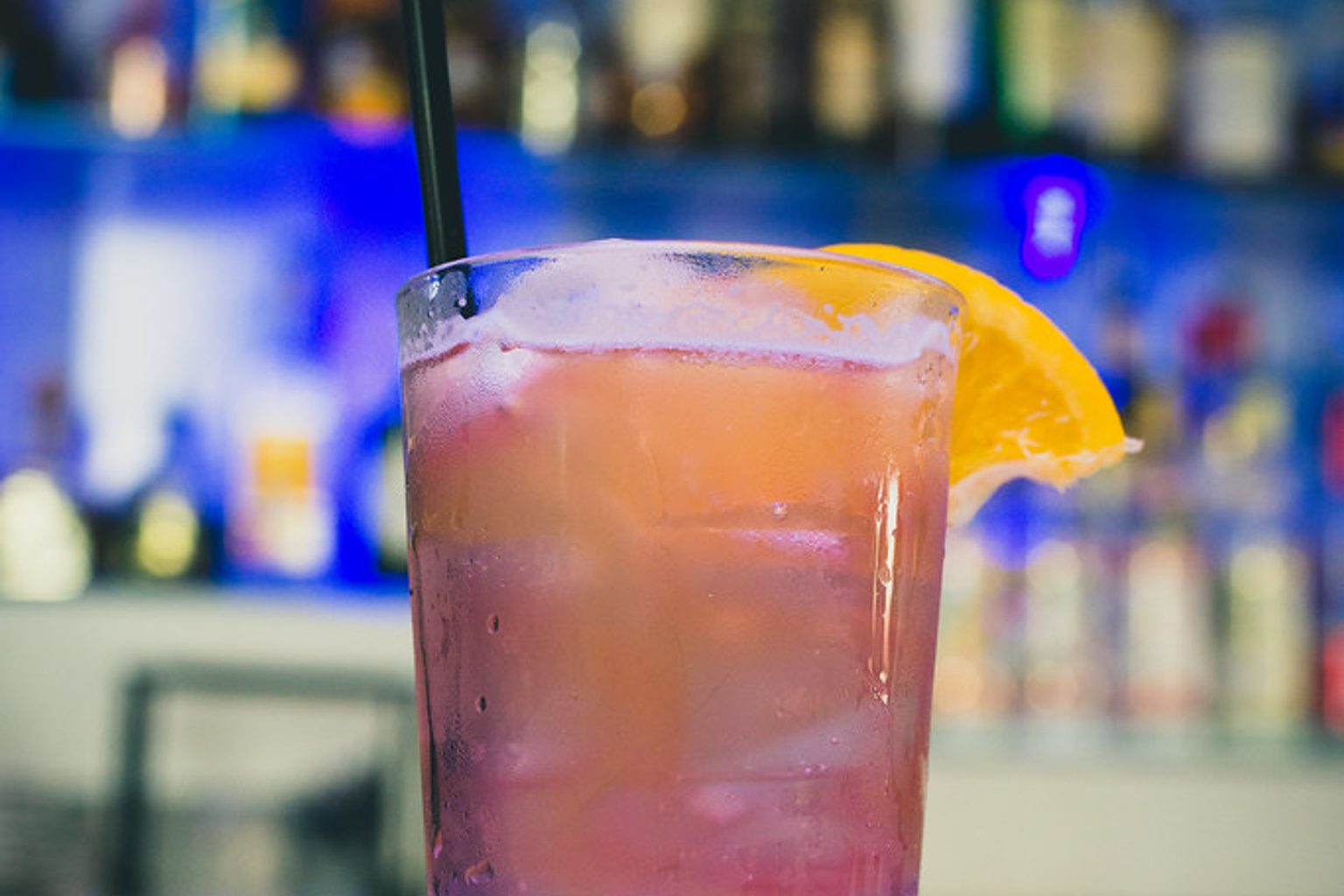
The product lineup reflects a disciplined approach to category management. The Blood Orange Margarita delivers a bright, layered citrus profile that feels both refined and approachable. The Pineapple Mojito brings tropical energy and a clean finish that suits a wide range of occasions. The Raspberry Mule offers crisp berry character and a familiar cocktail structure with a modern twist. These flavor selections are designed to deliver shelf appeal and consumer trial rather than chase attention.
For foodservice operators, the strategic advantage is clear. Guests are increasingly looking for beverage options that reflect their lifestyle choices. Gigli fills a gap in many venue portfolios—expanding beverage offerings with something that reads as contemporary and premium. In a competitive environment where beverage differentiation directly impacts guest satisfaction and margin potential, that versatility represents meaningful competitive advantage. Restaurants, bars, resorts, and hospitality venues gain a recognizable, easy-to-recommend product that reinforces their positioning as forward-thinking establishments.
Retail buyers benefit from identical logic. The THC beverage category growth is real, and Gigli's clear flavor positioning, approachable branding, and cocktail-inspired identity translate to measurable shelf performance. In a crowded retail landscape, products that are easy to recognize and easy to explain drive trial and repeat purchase. Gigli delivers that clarity, reducing the educational burden on sales staff and consumers alike.
Portfolio Expansion and Customer Lifetime Value
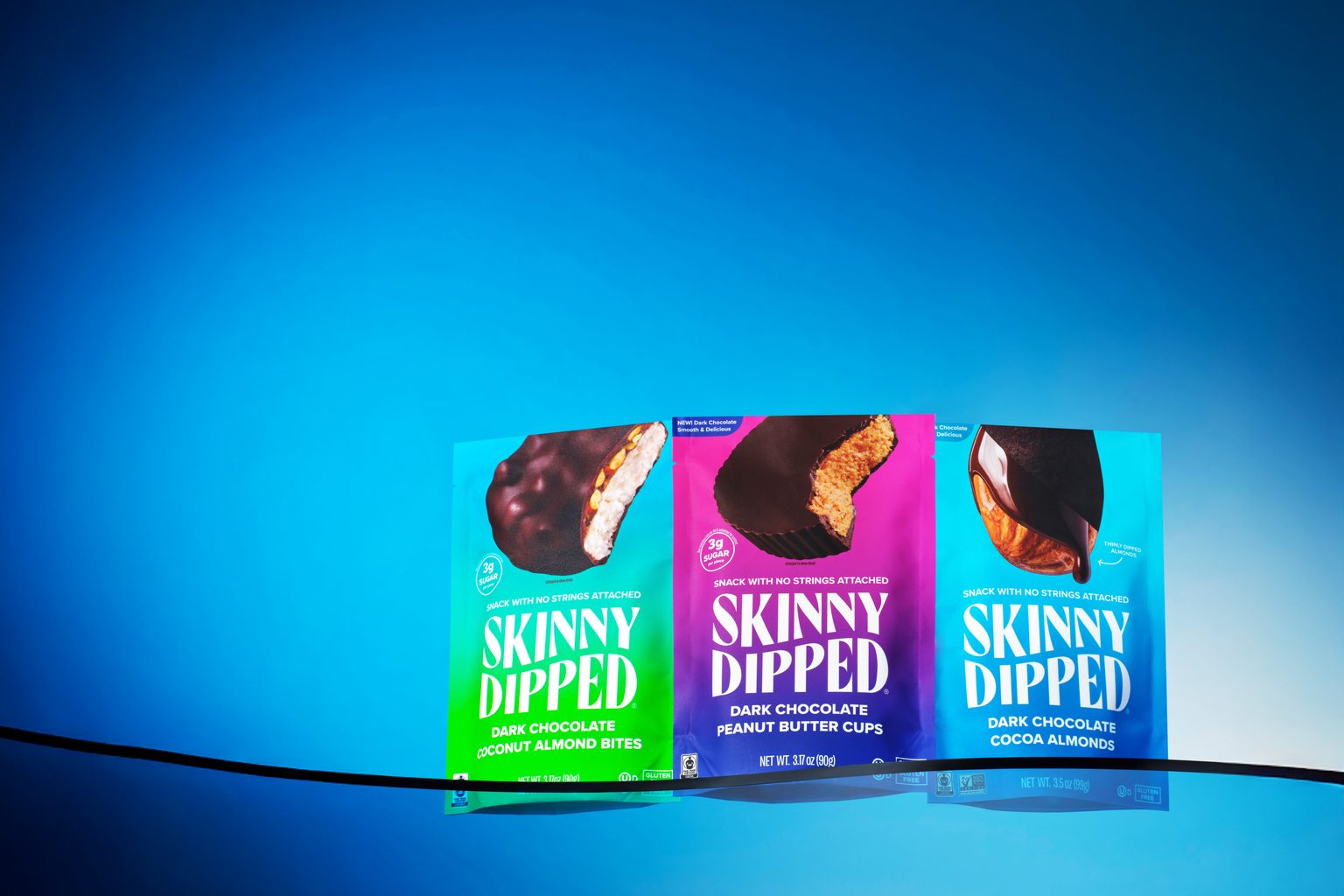
The brand's broader portfolio strategy—extending beyond cocktail-style beverages to include THC seltzers, fruit punches, gummies, and chocolates—reflects sophisticated category economics. Multiple entry points into the consumer's routine expand both market penetration and wallet share. For buyers building assortments, that range allows for strategic placement across multiple retail or foodservice categories, maximizing shelf real estate efficiency and addressing diverse customer preferences within a single brand relationship.
The market opportunity is rooted in a demonstrable consumer trend. The future of social drinking is not defined by excess. It is shaped by intention, flexibility, and a more nuanced sense of what consumers want from the experience. People still want a drink that marks the moment, but they increasingly want that drink to feel lighter, smarter, and more in sync with the rest of their lives. This consumer shift is already underway, and brands that capitalize on it early establish category leadership.
Gigli's positioning reframes indulgence as a business opportunity. Rather than asking consumers to choose between pleasure and practicality, it offers both—a critical distinction in a market where wellness and enjoyment are converging. The brands that succeed will be those that understand how to bring those ideas together without losing the essence of hospitality and ritual. Gigli executes this strategy effectively, creating a sustainable competitive moat around the brand.
For operators, retailers, and hospitality partners evaluating category strategy, the opportunity is concrete. Gigli is a brand that feels timely without feeling disposable, elevated without being out of reach, and aligned with a consumer shift that is already driving purchase behavior. It offers a new kind of social drink that fits the way customers want to gather now and the way they are likely to drink in the future.
The strategic strength lies in avoiding the commoditization trap many emerging categories face. Rather than trying to replace existing celebration rituals, Gigli refines them. In doing so, it gives decision-makers something increasingly valuable: a product that delivers both current relevance and enduring market position.